
This article is all about the employee. They are the ones that build the business and generate the income.
Sustainable resource allocation is really important for any organization running on limited staffing. When a small team is pushed too hard and stretched too thin, burnout creeps in fast. Keeping your team motivated, supported, and performing at its best takes a bit of fore thought, practical scheduling, and genuine attention to everyone’s workload. If you’ve ever wondered how to keep your staff energized without overloading them, I’m sharing the day-to-day strategies that have worked for me and countless others who’ve managed with fewer hands on deck.
Understanding Burnout in Teams with Limited Staff
Burnout shows up when people feel over-worked, under-supported, and just plain exhausted. If your team always runs at full throttle, it’s only a matter of time before mental and physical health issues start popping up. According to the World Health Organization, burnout is now recognized as an occupational phenomenon characterized by feelings of energy depletion, increased mental gap from work, and reduced professional effectiveness.
Small teams have less wiggle room when it comes to covering tasks. When someone is sick or absent for another reason, or if a new high-priority project lands on your desk, stress levels can skyrocket. Over time, this nonstop pressure starts to erode motivation and morale.
I’ve seen first hand how unchecked workload builds stress rapidly. When managers keep assigning “just one more task” without rebalancing or providing extra support, performance and well-being start to slip. It doesn’t take long for good employees to become disengaged, or decide to leave entirely.
Sustainable Resource Allocation Basics
Finding a pace your team can stick with long term means looking closely at what needs to get done, who’s actually available, and how much everyone can realistically handle. This isn’t about squeezing every drop of productivity out of people. It’s about making thoughtful decisions that keep the work moving and your team healthy.
Resource allocation comes down to three main factors:
- Workload distribution: What’s on everyone’s plate, and is it fairly balanced?
- Skill matching: Are people doing jobs they’re equipped for, or is it a scramble every time something new pops up?
- Time management: Is there enough built-in flexibility so the team can pivot as priorities change?
Applying these principles to your scheduling means fewer missed deadlines, less emergency overtime, and a much happier team culture. For example, by making sure no one person holds all the critical knowledge, you prevent overload when people are away. It is also a good idea to cross train all the members of the team. That provides flexibility if needed as well as coverage if someone is out. This approach also builds a sense of shared responsibility and flexibility among all the members of the team.
Actionable Steps for Managing Limited Staff Resources
Managing with a lean team feels overwhelming at first, but with some practical techniques, you can keep things running smoothly, and your team will thank you.
- Prioritize Ruthlessly: Not all tasks are created equal. Make a list of everything on your team’s agenda and rank it. If something isn’t supporting key business goals, it’s not worth stressing over. Be clear with your team about what needs tackling and what can wait. Sometimes, sharing this list openly can help team members understand why certain projects are delayed and build trust around your decisions.
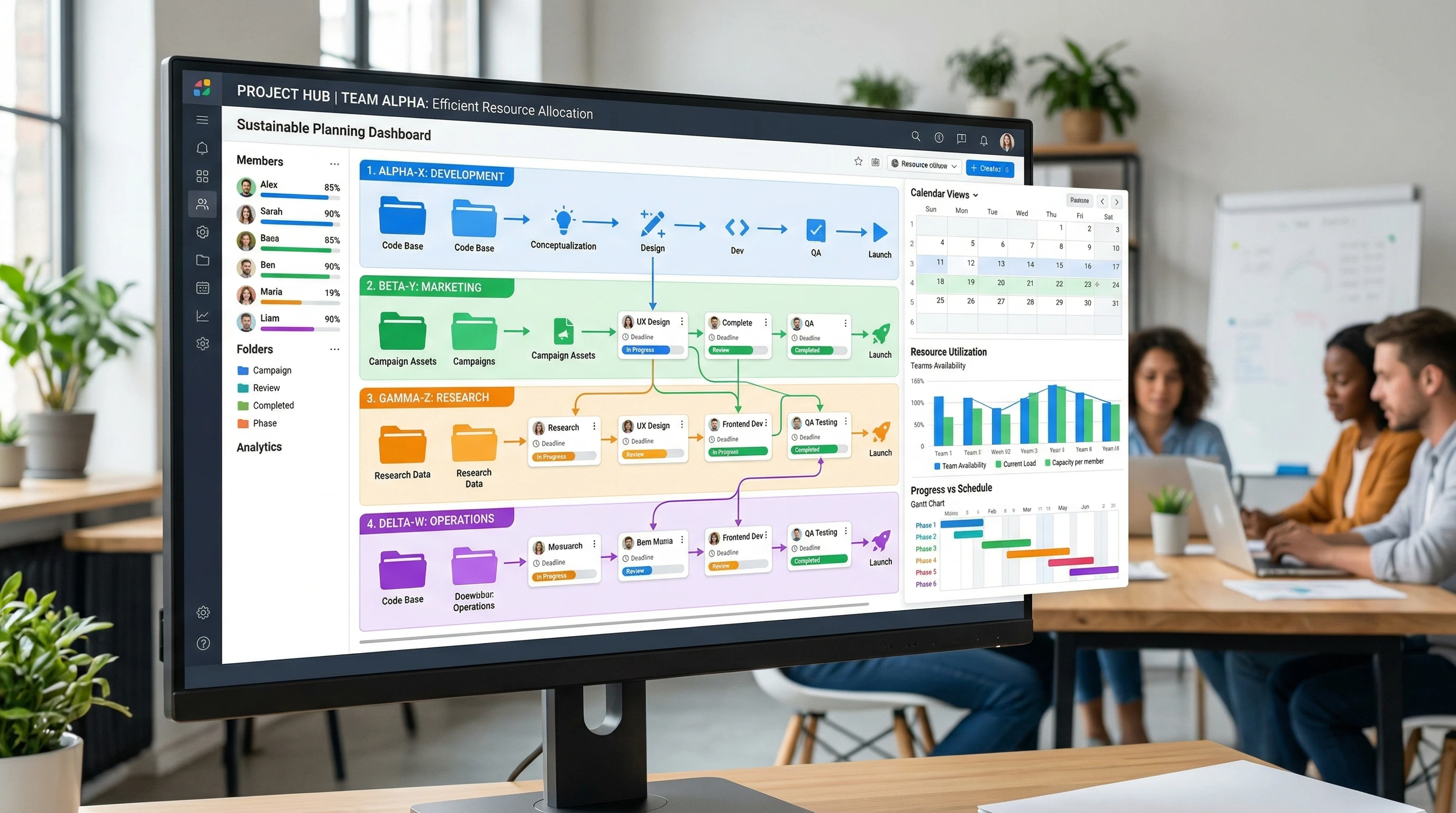
- Use Smart Project Management Tools: Tools like Trello, Asana, or Monday.com let you track who’s working on what in plain sight. I favor and recommend Monday.com. Small teams often accomplish big things — but only when everyone stays aligned. Monday.com is designed to help small teams (even as small as 3–8 people) stay organized, communicate clearly, and keep projects moving without unnecessary complexity. With Monday.com, your team can:
- Assign tasks and responsibilities clearly
- Track progress in real time
- Set deadlines and priorities
- Keep conversations and updates in one place
- Maintain visibility without constant meetings
Because it’s simple to use and easy to scale, Monday.com works just as well for a small, focused team as it does for a growing organization. You get structure without bureaucracy — and clarity without complexity.
Try Monday.com with a Free Trial. Just click on the link.
This helps everyone avoid duplicated effort, focus on what matters, and see workload at a glance. It keeps communication clear and everyone accountable. Integrating these tools with your calendar or chat systems can make it even easier for the whole team to stay updated.
- Encourage Cross training: Having people learn skills outside their usual roles might take a little upfront effort, but it pays off later. When someone’s out or an urgent project drops in, the team can jump in to help. Cross training builds confidence and cuts down on bottlenecks. Short, focused workshops or job shadowing sessions once a month are easy ways to do this without disrupting daily work.
- Schedule Check-Ins: Weekly or even daily brief meetings give everyone space to speak up about workloads, blockers, and stress. If someone is underwater, you can shift tasks around before things get out of hand. These check-ins don’t have to be formal. Even a five-minute chat at the start of the shift keeps communication open.
- Set Boundaries on Overtime: Make it clear that working late or on weekends is the exception, not the rule. If overtime becomes the norm, pause and review what needs to change so the team isn’t on a constant hamster wheel. Protect weekends and evenings so people stay refreshed and can bring their full energy each day.
Additionally, encouraging staff to take their full breaks and vacations lets everyone reset. Celebrate small wins to remind the team their work is valued, even when challenges pop up. Little boosts like this help keep morale high over long sprints.
Common Challenges and How to Deal with Them
- Scope Creep: As projects roll along, “just one small change” can turn into three extra weeks of work. Prevent this by agreeing up front on what’s included, and pushing back on extra requests unless something else is dropped or deprioritized.
- Vacation and Sick Leave Overlap: Coverage gaps are a lot trickier on small teams. Have a simple plan in place so everyone knows who can fill in, even if it means slowing nonurgent tasks.
- Lack of Specialized Skills: If your team is missing a certain expertise, look for online training or short term freelancers who can fill the gaps as needed. Don’t put it all on one person to “figure it out.” Seek learning opportunities and temporary support outside your core group when needed.
Scope Creep
One summer, our office had a string of new requests that all seemed small. By the end, we were buried under hours of extra tasks that weren’t part of our original plan. What got us out of the weeds was enforcing a tighter change order control process. Now, new requests go through a quick team review; we check whether we have the capacity, and if not, we negotiate deadlines or drop other nonpriority items. Clear and open communication with project sponsors made a significant difference in keeping our workload realistic.
Handling Time Off and Sudden Absences
Last winter, two team members were out sick during a tight deadline crunch. We managed by having cross trained backups and keeping a shared “coverage doc” that listed who’s responsible for what. This helped fill critical gaps without huge disruption. Planning even basic cross training well ahead saves panic when the inevitable happens. Consider keeping records of key contacts and processes so substitutes can pick up the slack quickly.
Advanced Strategies for Effective Resource Allocation
When the basics are humming along, you can add more nuanced strategies. These make things not only manageable but genuinely rewarding for everyone.
Implement Rotating Responsibilities: Nobody likes being stuck on the repetitive stuff. Rotating tasks every few weeks keeps work fresh and prevents boredom. Plus, everyone gets a shot at learning valuable skills outside their usual zone. Regular role swaps encourage adaptability and help team members appreciate each other’s contributions.
Plan for Downtime: When a project finishes, build in a day or two for recovery or professional development. This helps the team recharge and catch up without feeling guilty for not running at maximum speed. Online courses or skill-sharing sessions during downtime keep everyone growing and ready for new projects.
Leverage Automation: Tools for automating basic office tasks, like digital forms, auto reminders, or batch scheduling meetings, free up hours each week. Even simple email rules or calendar tricks can make a difference. Over time, look for patterns in repetitive work and find low-cost apps that can take them off your plate.
Use Data for Forecasting: Collect numbers on how long common tasks actually take. Over time, you’ll spot patterns so you can set more realistic deadlines and anticipate when help is needed. Practical tools like time-tracking apps or a team-shared spreadsheet can be really useful here. Tracking project history lets you pinpoint bottlenecks ahead of time and better plan for seasonal crunches.
Combine these advanced strategies with your team’s feedback to keep refining your approach. Building regular check-ins and improvement reviews into your routine promotes continuous growth, fostering resilience even in challenging seasons.
Real-World Applications and Relatable Examples
- Small Nonprofit: Limited staff means multitasking is the norm. Using clear project boards and having board members pitch in occasionally keeps crucial programs running without burning out the core team. Volunteer networks also help spread the load during busy periods, like fund raisers or big events.
- Startups: Everyone wears many hats. Success comes from strict prioritization, dropping “nice to have” projects in favor of those that move the business forward the most. Startups often experiment with flexible schedules and quick decision making to adapt fast in high change environments.
- Healthcare Clinics: Nurse shortages are common. Rotating shifts, job sharing, and clear hand-off protocols help limit exhaustion and mistakes. Small clinics might use part time staff and flexible regional networks to keep care standards high even with unpredictable absences.
I once worked with a tiny arts nonprofit that ran amazing public programs with only four full time staff. Their secret? Weekly planning huddles, shared to-do lists, and open talk about how everyone was feeling. When things got tough, the board and volunteers were looped in, spreading out responsibility while keeping the paid staff from working 70hour weeks. Their culture of open communication and flexible workload management delivered huge impact with low burnout.
Frequently Asked Questions
Here’s a handful of questions I hear often when talking with folks facing staff shortages and burnout worries:
Question: How can I spot early signs of burnout in my staff?
Answer: Watch for changes in mood, constant lateness, frequent sick days, and slipping performance. The earlier you check in with team members, the easier it is to figure out what support they need. Other subtle signs include increased irritability or team members withdrawing from group discussions.
Question: Are there quick wins for small teams to reduce stress?
Answer: Try daily stand-up meetings to nip issues in the bud, automate small repetitive tasks, and set a real “end time” on the workday. Little changes help a lot. Encourage everyone to take breaks away from their desks and regularly acknowledge effort, not just results.
Question: How do I balance urgent work with long-term projects?
Answer: Set aside fixed hours each week for long-term stuff, and only break into this time for real emergencies. This way, nothing big falls through the cracks. Use calendars and schedules to make these boundaries visible to the whole team so everyone is on the same page.
Question: What about team motivation when resources are scarce?
Answer: Be transparent with your team about limitations and progress. Celebrate small victories, involve everyone in goal setting, and show appreciation for flexible thinking. Motivation increases when people feel seen and know their contributions are valued, even during tough stretches.
Key Takeaways for Sustainable Team Management
Keeping productivity high in a small team isn’t about working harder. It’s about working smarter. Prioritizing tasks, building in time for cross training and recovery, and using smart tech tools help everyone handle changes without constant stress. Regular communication, honest check-ins, and flexible planning form the backbone of a sustainable work culture.
Sustainable resource allocation helps protect your team from burnout, letting everyone do their best work today without sacrificing their well-being tomorrow. If you’re running on limited staff, these strategies are really important for long-term success. Your team, your projects, and your own peace of mind will all benefit from planning workloads with care and empathy. Always remember, a balanced and supported team is the true engine behind every successful organization, no matter its size.
Here’s a little transparency: Our website contains affiliate links. This means if you click and make a purchase, we may receive a small commission. Don’t worry, there’s no extra cost to you. It’s a simple way you can support our mission to bring you quality “Business Planning content.”
This is a really strong and practical breakdown. You can tell it’s written from real experience, not just theory. The part about “just one more task” hitting small teams especially hard is spot on—that’s usually how burnout sneaks in without anyone noticing until it’s too late.
I also like how you emphasized prioritization and boundaries. In my experience, most small teams don’t actually have a workload problem—they have a prioritization problem. Once that gets fixed, everything else starts to feel more manageable.
The cross-training and visibility piece is huge too. I’ve seen teams completely stall because one person held all the knowledge, so building that flexibility upfront makes a big difference.
One thing I’m curious about—have you found that leadership or team culture plays the bigger role in preventing burnout long term? Because I’ve seen the same tools work great in one team and completely fail in another depending on how they’re implemented.
Thanks for the comment.
Leadership plays a crucial role in culture and avoiding burn out. I believe that it is their primary responsibility to mold the culture and insure that the team is functioning well.
I think that encouraging cross training between your staff members is an excellent idea, especially when someone is on leave or sick, then the remaining staff can simply share the tasks, making it fare less pressure than if just one person had to do it all on top of their own work.
Rotating tasks is also another great way to keep your staff fresh and motivated as well as give them experience in different aspects of the business.
What is your favorite online platform to use to organize your staff? I haven’t tried the ones that you mention.
Thanks for the comment.
I recommend going old school. Start by defining all of the responsibilities of each position. Using that, you can determine if there are issues with current staffing or if you need to balance the responsibilities for some positions.