Managing money as a solopreneur can feel overwhelming at first, especially if you’re new to running a business. When I first made the leap to working for myself, I had to figure out how to juggle unpredictable income, plan for expenses, and keep my business (and personal life) afloat. Budgeting isn’t always the most exciting part of entrepreneurship, but it’s super important if you want your business to last. Here, I’ll break down the basics of setting up your very first solopreneur budget, what to watch out for, and some tips I’ve picked up from doing this myself.
Why Budgeting Matters For Solopreneurs
When I started out on my own, I realized that budgeting wasn’t just about tracking every penny. It was about gaining control, reducing stress, and knowing where I stood. For solopreneurs, budgeting helps level out the financial rollercoaster that comes from inconsistent cash flow. Small businesses, especially new solo ventures, often deal with income that changes from month to month. Without a basic budget, it’s easy to overspend during good times and panic during dry spells.
According to the U.S. Bureau of Labor Statistics, about 20% of new businesses don’t make it past their first year. While there are many reasons for this, running out of money is near the top of the list. Having a budget lets you see trouble coming before it hits and gives you time to make adjustments. It’s also great for giving yourself peace of mind, knowing you have a plan for the basics. If you ever want to expand your business, knowing your numbers makes it much simpler to map out that growth confidently.
First Steps: Setting Up Your Solopreneur Budget
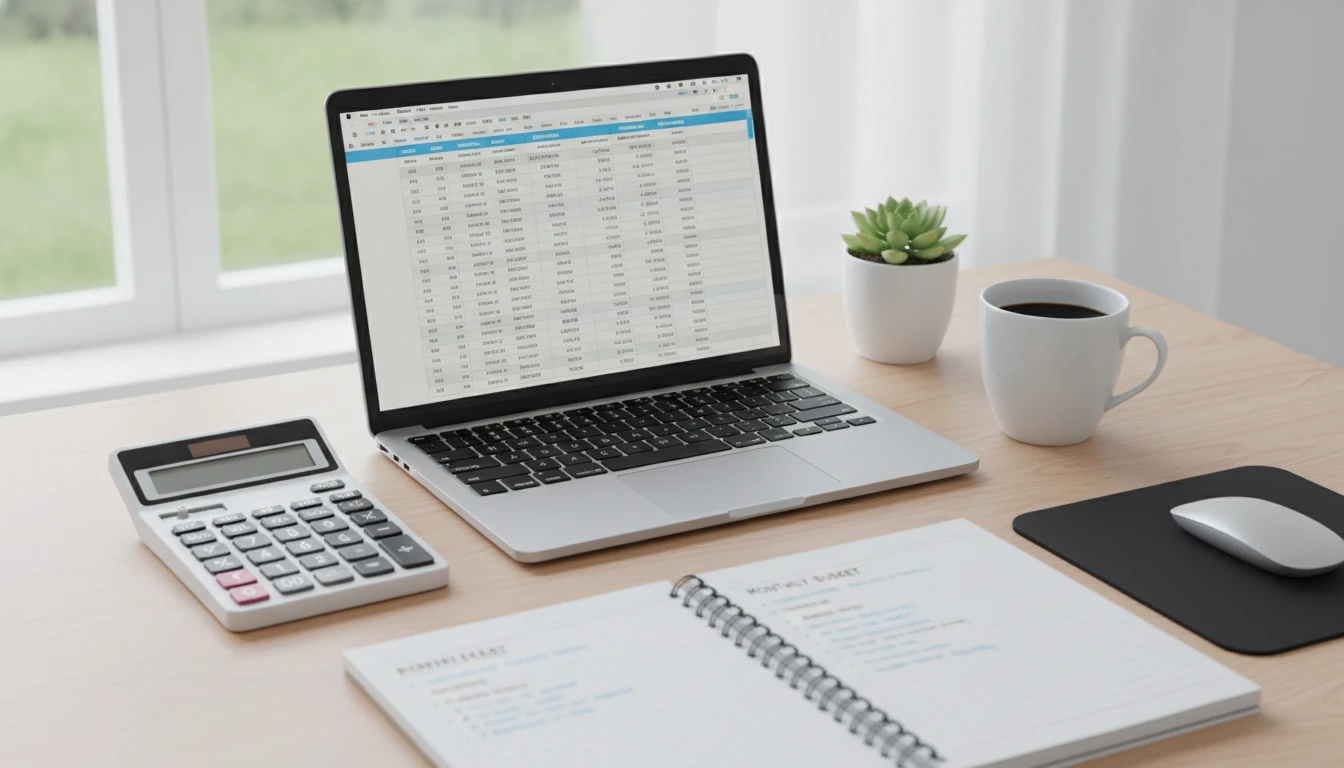
Starting your budget doesn’t have to be intimidating, and you don’t need any fancy software to get going. My first budget lived in a simple spreadsheet. What matters most is understanding what comes in and what goes out, then making a plan for the difference. If you keep everything in one place, you lighten the cognitive load and can focus on running and growing your business with less stress.
- List All Income Sources: Start by writing down every way you make money. Client payments, product sales, freelance gigs, even side hustles—anything that brings cash into your business counts. Don’t forget to include occasional or seasonal sources of money, as they still add up.
- Add Up Fixed and Variable Expenses: Separate your regular bills (like software subscriptions, rent, or internet) from the more unpredictable stuff (like travel, supplies, or onetime fees).
- Plan For Taxes: It’s easy to forget about taxes until you get that bill. I always recommend setting aside a portion of every payment, about 25% is a solid starting point, but check your local requirements so you aren’t caught off guard later.
- Estimate Personal Expenses: If your business is your only income, budgeting for rent, groceries, and other personal needs is just as important as business expenses. This avoids pulling too much cash from your business at once.
Putting this all down in one place gives you a clear picture of your basic needs and cash flow. This way, you’ll have a single resource to refer to whenever you need to make a spending decision. As you get a feel for your numbers, you’ll find it much easier to stick to your goals or spot areas for improvement.
Building A Simple Budgeting System
Once you know your numbers, you’ll need a basic system for tracking how you’re doing throughout the month. Over time, you’ll find what works best for you, but here’s what I do:
- Choose a Tracking Tool: Plenty of folks love apps like YNAB (You Need A Budget), QuickBooks, or Wave. I have found that having a system makes this process more efficient. There are a lot of systems on the market but I have had great success with a product called QuickBooks. QuickBooks helps you stay organized, save time, and prevent cash flow surprises by giving you real-time visibility into your income and expenses. You can easily track transactions, automate invoicing, and generate insightful reports to make smarter financial decisions every day. Start your free QuickBooks trial today and experience how simple and powerful small business financial management can be. Just click on the link. If you like spreadsheets, that’s totally fine too. The tool doesn’t matter as much as putting it to work consistently.
- Track Income When You Receive It: Record money as it hits your bank account, not when you send an invoice or proposal. This keeps things real and helps avoid counting on cash that hasn’t arrived yet.
- Review Expenses Weekly: A quick weekly check in is enough to catch unexpected costs and see if you’re sticking to your plan. This can help you react quickly to any surprises instead of scrambling at month’s end.
- Adjust As You Go: Client didn’t pay on time? An expense came out higher than planned? No stress, just update your budget and continue. Flexibility is key when income isn’t always steady.
This week-by-week rhythm keeps you from getting blindsided at the end of the month and helps build habits that last. Over months, your budget will reflect your actual needs, and you can update accordingly.
Key Things To Watch Out For As A New Solopreneur
New solopreneurs run into a few common budgeting challenges. Here’s what I’ve faced (and how I deal with them):
- Inconsistent Cash Flow: Feast or famine months are common early on. I learned pretty quickly to keep a buffer fund, at least enough to cover one or two months of expenses. It softens the blow when income dips and lets me sleep easier.
- Mixing Personal And Business Money: Combining business with personal can get messy fast. Setting up a separate bank account for your business makes tracking so much easier, especially around tax season. It also simplifies year-end reviews and makes it faster to spot any trends.
- Forgetting About Irregular Expenses: Annual software fees or professional memberships sneak up on me if I’m not careful. I keep a list of nonmonthly expenses and set aside a little each month to cover them. This way, big once-a-year bills never throw off my plans.
- Not Charging Enough: Early on, I undervalued my work. Running the numbers helped me raise my rates to a sustainable level, making those budget targets more doable, and boosting my confidence as a business owner.
Buffer Funds: Your Unexpected Expense Safety Net
If there’s one practical tip I always give solopreneurs, it’s to build up a buffer, basically a small savings pot just for emergencies. Even a few hundred bucks can make a big difference when a lastminute expense pops up. Over time, aim to grow this buffer larger. Having this cushion has saved me from stress at least a dozen times.
Separate Accounts: Making Life Easier
Having a dedicated business account can help you clearly see what’s available to spend, keep your records tidy, and make tax time less stressful. If you’re not sure where to start, most banks offer basic business checking with low or no monthly fees. Some even come with handy app features for tracking receipts or monitoring balances quickly on your phone.
Strategies For Handling Slow Months And Windfalls
Nobody’s income grows in a straight line. For solopreneurs, some months will feel almost too good while others are tight. How you handle both makes a big difference and sets the tone for your business’s stability.
- During High-Income Months: I like to save anything extra, cover outstanding bills, and make planned investments (like a new laptop or software). Rarely do I splurge right away. Sometimes, I line up small upgrades in equipment or learning as a reward after a high-earning spell.
- During Low-Income Months: This is when my buffer fund really kicks in. I focus on the essentials, press pause on large purchases, and if needed, look for small extra gigs to fill the gap. Being proactive about finding extra work beats stressing out when bills come due.
Tracking your slow periods over time helps you spot patterns and predict the future more accurately. For example, you might notice summers are always quieter, giving you the chance to plan ahead—maybe schedule a vacation or use downtime for skill-building.
Upgrade Your Budget: Next-Level Tips
Once you get the basics down, you can fine-tune your budget for even better control. Here are a few approaches that have worked for me:
Use The 50/30/20 Rule: This rule helps split your after-tax income. Allocate 50% for needs (like rent and software), 30% for wants (like meals out), and 20% for savings or debt payoff. It’s flexible and adapts to personal and business priorities.
Analyze Spending Trends: Every couple of months, I review past spending to catch habits that might be costing me. Small subscriptions add up, and noticing them early means fewer surprises down the road. Spotting these before they get big keeps your budget and mindset in a healthy place.
Automate Savings and Taxes: Setting up automatic transfers from checking to savings or to a tax account means I don’t forget to set aside money for important stuff. Out of sight, out of mind, but there when I need it.
These tweaks help you take your budget from basic tracking to a tool that actually improves your business health. If you ever find yourself wanting a bigger challenge, try having a “no spend” week or tracking every single expense for clarity.
FAQs For Solopreneurs On Budgeting Basics
Here are some questions I get from other solopreneurs just starting with budgeting:
Question: How much do I need to start a solopreneur business?
Answer: Honestly, it depends on your line of work. Many online service based businesses can start with just a laptop and an internet connection. It’s smart to plan for at least two to three months of basic living and business expenses saved up before going full time, so you have breathing room while you look for clients or gigs.
Question: How do I budget with unpredictable income?
Answer: Budget using your average monthly income from the last three to six months, not your highest month. Build a buffer fund while times are good to cover the leaner months. If possible, make a priority list of must-pay expenses each month so you always know what needs coverage first.
Question: Should I pay myself a set salary?
Answer: Paying yourself a “salary” from your business account to your personal account each month can help keep spending predictable and make taxes easier. Choose an amount that fits your average income and basic needs. Even if you need to adjust this amount over time, staying consistent builds financial discipline and keeps personal spending in check.
Applying Budgeting Basics To Real-Life Decisions
I’ve seen firsthand how a simple budget can guide big decisions, like whether to invest in new equipment or accept a large project. One time, my budget stopped me from buying fancy gear just because it was on sale. I saw that the extra buffer would mean way less stress next month. A budget gives you hard numbers to base decisions on, not just vibes or wishful thinking.
- Launching A New Service: I budget for extra promotional spending, research needed tools, and check if I’ll need to cover any short-term gaps until sales build up. Making a clear plan avoids unexpected cash crunches.
- Dealing With Late Payments: Having a budget and buffer means I don’t need to panic every time an invoice goes overdue. This approach helps keep my focus on delivering quality work, not chasing money anxiously.
- Learning When To Say “No”: Sometimes, if a job doesn’t cover your base costs, the budget makes it clear that it’s not the right fit. This becomes a real confidence booster, letting you choose clients, projects, or rates that match your goals—not just your survival needs.
Over time, budgeting turns from something you “have to do” into a habit that supports all your business choices. That’s honestly one of the best parts of solopreneurship, knowing you’re in control and moving forward by your own plan. Making budgeting a regular practice doesn’t just keep the lights on; it opens the door for your next-level cool ideas and lets you truly enjoy the freedom solopreneurship can bring.
Here’s a little transparency: Our website contains affiliate links. This means if you click and make a purchase, we may receive a small commission. Don’t worry, there’s no extra cost to you. It’s a simple way you can support our mission to bring you quality “Business Planning content.”
Excellent and incredibly practical guide for anyone starting out alone, solopreneurs so often overlook budgeting in the early hustle, but you’ve made it feel approachable and actionable.
I especially appreciate how you broke down the essentials without jargon: separating personal and business expenses, the 50/30/20 rule adaptation, and emphasizing the emergency fund from day one. The spreadsheet templates and app suggestions are a nice touch for those who aren’t naturally numbers-inclined.
Your point about budgeting for taxes and reinvestment early on is gold, so many learn that the hard way. For someone just launching, would you recommend any specific free or low-cost tools for tracking expenses in real-time? Thanks for putting together such a clear, no-fluff resource. This is getting bookmarked and shared!
Thanks for the comment.
For someone just starting out I would use spreadsheets as recommended in the article. They will work but as the business matures I strongly recommend upgrading to an accounting system as I recommended. You will get more information and it will be presented in an acceptable manner which will be very helpful should you need to get some outside financial help.
Best of Luck!
George
You have provided so much valuable information for a solopreneur beginning a business. I wish I had your information when I began my career, as it would have saved me so much time and money. But at the same time, I am grateful for my mistakes as I learned so much and increased my resilience and confidence. Budgeting is such a critical key to starting a business. The 50/30/20 rule keeps one on track, and I appreciate you emphasizing the importance of an emergency fund. I will save this for future reference and to share.