
Growing a business is something most entrepreneurs look forward to, but going too fast can create serious problems. Over expansion happens when a company tries to get bigger or add more locations, products, or markets before getting the basics right. It’s pretty common to get excited about early success and aim higher, but scaling up at the wrong pace can put everything at risk. I’ll share what over expansion really means, why it happens, and how it can make even strong businesses fall apart if you’re not careful.
What Over Expansion Means for Businesses
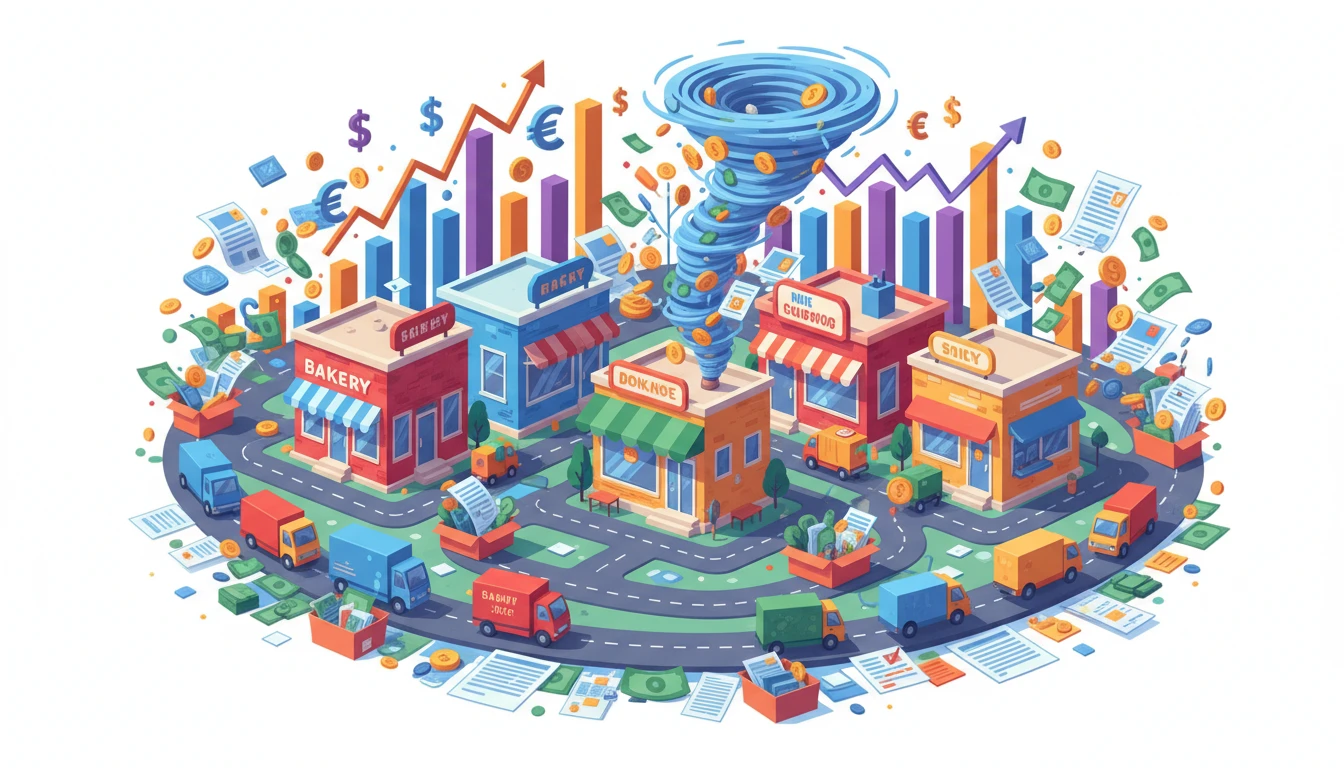
Over expansion is basically growing a business faster than its resources or systems can handle. This can involve opening new locations before the first ones are profitable, launching too many new products at once, or moving into new markets without enough research. It can feel good to see growth on paper, but this kind of move stretches people, money, and company culture thin.
During the early days of running my own small business, I remember the temptation to chase after every new opportunity. It always looked impressive, but one new project after another put a lot of strain on our budget and team, which made day-to-day operations more stressful and less efficient.
One big thing people sometimes overlook is that growth takes not just more resources, but stronger systems too. If you bring on new customers or locations, you need software, customer service, and clear procedures that can handle the bigger volume. If you don’t, cracks begin to show in unexpected places—maybe in delayed orders, missed emails, or inconsistent service standards.
Why Overexpansion Happens
Over expansion often sneaks up on business owners. Success, outside pressure, and excitement about “scaling up” can cloud your judgment. Here are a few common reasons I’ve noticed:
- Chasing Quick Profits: Seeing early wins might lead to the belief that more locations or products will double profits, but it doesn’t always work that way.
- Investor Expectations: Sometimes investors want rapid growth, pushing business owners to expand without enough infrastructure.
- FOMO (Fear of Missing Out): Watching competitors grow can tempt you to jump in before you’re really ready.
- Lack of a Clear Strategy: Expanding without a solid plan can leave a business stretched too thin, with too many things happening at once.
Another factor is media and “success” stories that highlight those who grow fast. Business headlines often celebrate companies with explosive growth, which can make steady progress feel “too slow.” As a result, some business owners game plan expansion just for the sake of appearing popular, rather than based on genuine need or readiness.
It’s a tough balance. Ambition is great, but expansion works best when it’s supported by real demand, good systems, and steady cash flow. In my experience, careful planning outperforms guesswork every time.
Early Signs that Overexpansion Is Hurting Your Business
Spotting warning signs early can help steer things back on track. Here are some clues that a company might be growing too fast:
- Decreasing Quality: Service drops off, products aren’t as good, or customers start complaining more than usual.
- Staff Burnout: Employees feel overworked because there aren’t enough people or resources to handle new responsibilities.
- Cash Flow Issues: Bills pile up or paychecks get delayed because there just isn’t enough money to cover so many new expenses.
- Poor Customer Feedback: Reviews slip, repeat business drops, or long-term customers leave because they notice the business isn’t what it used to be.
- Operational Confusion: No one is really sure who’s in charge, or important tasks keep getting lost in the shuffle. Systems and procedures haven’t kept up with new locations or offerings.
All these signs can start small and seem manageable at first, but they tend to get worse if ignored. For example, if deadlines are constantly missed or support tickets start slipping through the cracks, that’s usually a clear sign that growth has gotten ahead of your team’s capacity.
Classic Mistakes Businesses Make When Expanding Too Fast
Understanding the pitfalls of overexpansion can help you avoid them. I’ve seen several businesses, big and small, stumble over the same problems:
- Opening Too Many Locations: Adding new shops or offices without making sure current ones are solid and profitable can lead to weak spots everywhere.
- Launching Unproven Products: Rolling out a bunch of new items without checking if there’s real demand can waste money and confuse customers.
- Neglecting Core Customers: Focusing so much on new territory can make you forget about the loyal clients who got you to where you are.
- Overlooking Training and Staffing: New hires get rushed in without enough training, and existing staff gets stretched thin, leading to mistakes and turnover.
- Poor Communication: Growing teams without strong internal communication can cause things to get lost, duplicated, or misunderstood. Nobody likes chaos.
One popular restaurant chain in my area had an amazing first few years. After opening several new locations in a single year, their food quality dropped and the customer experience suffered. Most locations ended up closing within two years because the basics just weren’t in place for such a big jump. The lesson: don’t let visible growth distract from the daily details that drive customer loyalty.
How Overexpansion Can Cause Business Failure
Overexpansion doesn’t always end with just a few headaches or a stressful season. In some cases, it can bring down even the strongest brands. Here’s how:
- Bleeding Cash: Growth burns through cash quickly, especially if new projects don’t become profitable soon. Loan payments, rents, and payroll keep coming even if sales don’t meet expectations.
- Losing Focus: Trying to do too much at once makes it impossible to keep an eye on what made the business successful in the first place.
- Broken Processes: Systems that worked well when the company was smaller can fall apart when doubled or tripled overnight, causing delays, mistakes, and customer headaches.
- Damaged Reputation: Disappointed customers or poorly managed locations can leave bad reviews that affect every part of the business.
- Legal and Compliance Issues: Different markets have unique rules and regulations, and moving in too quickly can lead to costly penalties or litigation.
One famous example in the business world is Blockbuster. The company expanded aggressively in the late 1990s but couldn’t adapt fast enough to changes in the market and new competition. Their focus on rapid store openings left them without flexibility, and eventually, they lost their edge.
Sometimes, business owners think they can fix every challenge just by “growing out of it.” However, if growth is covering up problems instead of fixing them, the problems usually get worse, not better. A healthy business has the right amount of structure and flexibility to handle both opportunity and difficulty, even as it grows.
Managing Growth Without Overexpanding
Controlled, sustainable growth works better for long-term business health. Here’s how to keep growth in check:
- Do Your Homework: Before expanding, research new locations, products, or markets thoroughly. Look at demand, competition, and the costs involved.
- Strengthen Your Core: Make sure your original operation is solid, profitable, and running smoothly. Build strong processes that can be duplicated, not stretched.
- Scale Your Systems: Invest in scalable systems (like software, accounting and customer service processes) that can handle extra volume and locations without breaking down.
- Hire and Train Well: Take the time to hire enough people and train them properly, instead of rushing them into new roles.
- Monitor Cash Flow: Keep a close eye on your finances. Build a cash cushion so you aren’t living paycheck to paycheck as you add new obligations. If you haven’t done so already, get a line of credit in place. There are no interest payments until it is used and repayment is usually flexible. It’s great for covering the unforeseen expenses.
- Listen to Feedback: Use customer reviews, employee feedback, and market data to spot trouble early and make changes before things go too far.
- Don’t be afraid to use outside help. I have found that a product called Monday.com can offer considerable help. Ready to Turn Your Growth Plan Into Action? Planning for growth is only the first step. The real challenge is executing that plan consistently as your team expands, responsibilities multiply, and projects become more complex. That’s where Monday.com makes a difference. Monday.com helps small businesses move from scattered spreadsheets and email chains to a structured, scalable system. You can:
• Organize strategic goals into actionable projects
• Assign responsibilities with clear accountability
• Track progress in real time with visual dashboards
• Automate repetitive processes as your workload increases
• Keep your entire team aligned as you scale
If you’re serious about growing your business in a controlled, well-planned way, you need more than a business plan — you need a system that supports execution.
👉 Start your free trial of Monday.com today and build the operational foundation your growth plan deserves. Just click the link and you can be on your way.
Being patient pays off. I’ve noticed that businesses that take time to perfect their model are the ones that survive and thrive for years, not just during a short-term boom. When core operations are humming, it also frees up energy to jump into new opportunities with fewer risks.
Common Questions About Safe Business Growth
Overexpansion raises a lot of concerns, especially for new entrepreneurs and even veterans trying something new. Here are some of the most frequent questions I get:
How do I know if I’m growing too fast?
Answer: If the day-to-day is getting chaotic, systems feel stretched, cash flow is tight, or you’re constantly fixing mistakes from new projects, it’s probably time to slow down and regroup.
What’s a safe pace for business growth?
Answer: That depends, but a good rule of thumb is to make sure every new store, product, or market can stand on its own before launching the next. Steady, planned growth works better than sudden big jumps.
How can I stop over expansion if I already started growing too quickly?
Answer: Pause new projects and focus on fixing what you already have. Tighten up your operations, talk to your team, and rebuild a solid financial base before jumping into the next opportunity.
Do I always need outside funding to expand?
Answer: Not always. Expanding from your own profits is usually safer, though it takes longer. If you use outside funding, just be extra careful that your growth plan is realistic and that you’re not promising returns too soon.
Lessons from Real-World Business Failures
There are stories all over the business world about companies that over expanded. One classic example is Quiznos, a once popular sandwich chain. They grew quickly across the US, but their franchise system couldn’t keep up. Store openings skyrocketed, but training, support, and quality control lagged behind. Franchisees struggled, stores started closing, and the brand lost its reputation. It took years, and a lot of pain, to recover.
In ecommerce, some brands launched dozens of products in a matter of months, only to run into storage, shipping, and inventory nightmares. Instead of dominating their niche, they ended up with warehouses full of unsellable stock and massive debt. This shows that a “more is better” mentality often backfires when the basics aren’t locked in.
It’s always tempting to build on early wins, but these stories show the risks of over expanding. The slow and steady approach, supported by research and strong process, gives businesses a real shot at lasting success.
Making Smart Decisions When Planning Growth
Planning for growth takes discipline and self-awareness. Here’s some advice I’ve picked up along the way:
- Track your numbers closely. Use financial forecasts to check if you can afford new ventures.
- Ask for honest feedback from your team and customers before expanding.
- Focus on steady improvements—small, manageable steps are often safer than making big leaps.
- Have an exit plan for new projects, just in case things don’t work out as expected.
- Keep your core values and mission front and center. Big changes can dilute what made your brand special in the first place.
Growing a business is exciting, and it’s normal to feel pressure to “go big” when things are working. But smart, steady growth supported by solid planning and healthy finances keeps your dream alive, and keeps things fun, too.
Here’s a little transparency: Our website contains affiliate links. This means if you click and make a purchase, we may receive a small commission. Don’t worry, there’s no extra cost to you. It’s a simple way you can support our mission to bring you quality “Business Planning content.”
This was such a grounded and realistic take on growth. I really appreciate that you didn’t villainize expansion itself, but instead focused on pace and infrastructure. So many conversations about business scaling glamorize speed, but your point about systems needing to mature alongside revenue really stood out. Growth without operational depth can look impressive from the outside while quietly destabilizing the inside. I’m curious—have you found there’s a specific metric (cash reserves, profit margin consistency, team capacity, etc.) that you personally use as a “green light” indicator before expanding?
I also liked that you addressed the psychological side—FOMO, investor pressure, media narratives. That’s rarely talked about, but it’s very real. The comparison to explosive success stories creates artificial urgency, even when a business is healthy and profitable as-is. In your experience, do most overexpansion mistakes come from external pressure, or from internal overconfidence after early wins?
The warning signs section was especially practical. Staff burnout and operational confusion are often brushed off as “just growing pains,” but you framed them as capacity signals instead of badges of honor. That shift in perspective is powerful. I’m also curious how you differentiate between temporary strain that naturally comes with scaling and deeper structural overreach that signals expansion should pause.
Overall, this feels like advice that prioritizes longevity over ego—and that’s refreshing. Sustainable growth isn’t as flashy, but it’s usually what builds durable brands.
Thanks for the comment.
I haven’t found one particular metric to green light expansion. I look at all of the pertinent metrics. That gives a better reading than just one.
I have found that overexpansion mistakes happen from listening to external pressure and internal overconfidence. I am a firm believer in looking at what the numbers tell you. As many have said “Numbers don’t lie”. That is the best way to look at expansion.
I really appreciated how this article explained that growth isn’t always good growth and how overexpansion can stretch a business beyond what its systems, team, and finances can sustainably handle. It made me think differently about expansion—not just as adding new products or locations, but as something that must be supported by solid infrastructure and careful planning. The warning signs you listed like cash flow struggles and burnout felt very practical and relatable. I’m curious, which specific indicators do you think are most reliable in signalling that a business is truly ready for expansion, beyond just wanting more revenue?
Thanks for the comment.
Before expanding it is important to look at the performance of the core business. Profitability and cash flow are the most important metrics to watch. A trend analysis will show how solid the core business is and what it will support. Trying to grow when the core business is not performing well will create problems instead of success.