Predictive analytics is turning out to be pretty handy for small businesses looking to up their decision-making game. With all the data floating around these days, tools that help predict what might happen next give small business owners a serious edge. Even if you don’t have a big data science team or a huge IT budget, the cool thing is that predictive analytics has become much more accessible. You can actually use it to make smarter choices for your business. Here, I’ll break down what predictive analytics is all about, how it works, and why it’s really changing the way small businesses operate.
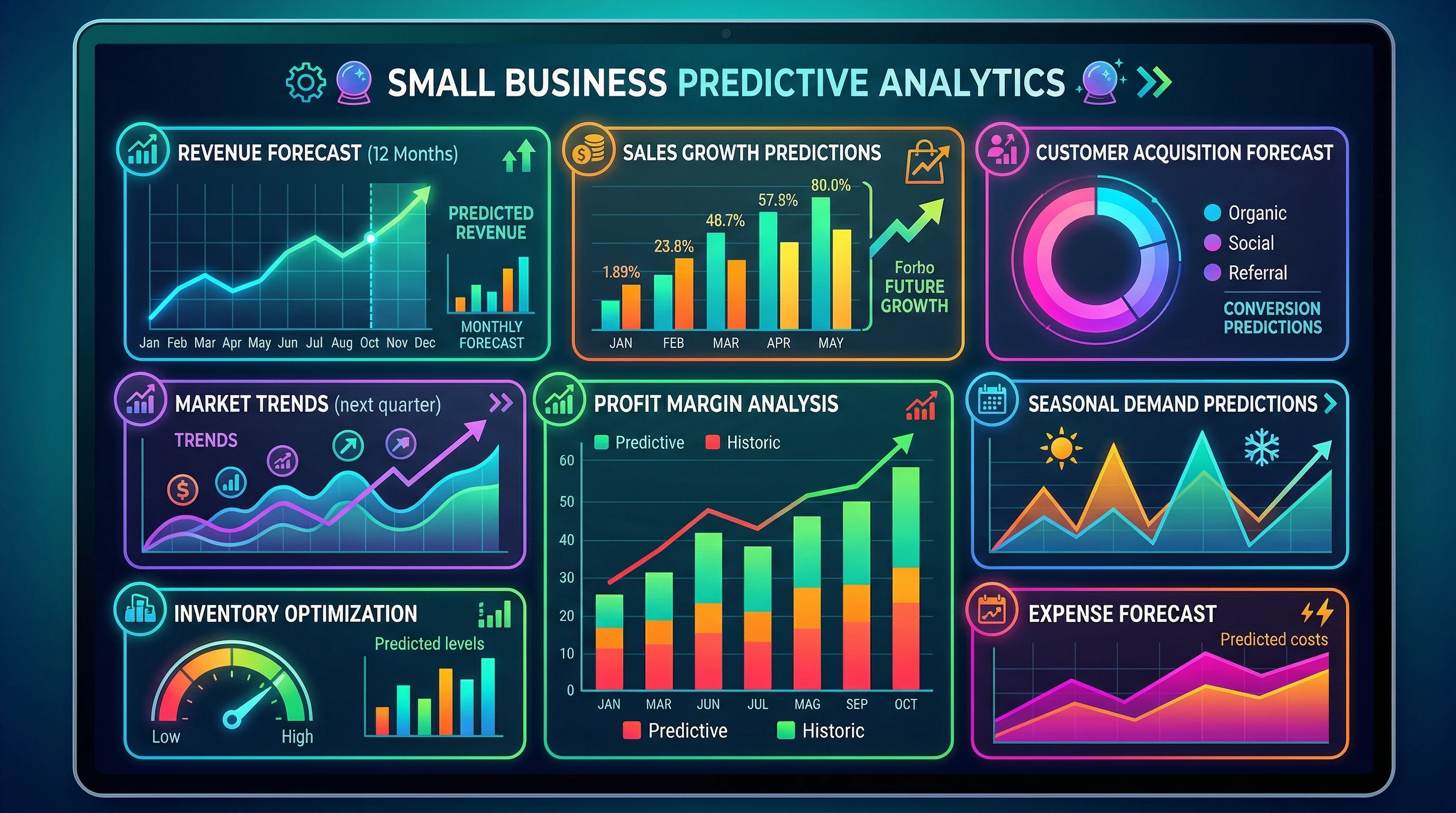
What Is Predictive Analytics and Why Should Small Businesses Care?
Predictive analytics uses historical data, machine learning, and mathematical algorithms to forecast future outcomes. If you’ve ever used weather forecasts, you’re already familiar with the concept, only in business, instead of rain or sunshine, you’re predicting things like sales, customer churn, or product demand.
For small businesses, predictive analytics isn’t about keeping up with tech buzzwords. It’s about making decisions with more confidence. Whether it’s figuring out how much inventory to order next month or choosing which customers to target with marketing, having some reliable predictions on hand can mean less guesswork and fewer costly mistakes.
It’s not just for the big guys, either. These days, there are plenty of SaaS tools and plug-ins for ecommerce platforms, POS systems, and CRMs that bake predictive models right in. You don’t need to be a data scientist. You just need to know what problems you’re hoping to solve.
How Predictive Analytics Works in the Real World
It can sound a bit mysterious, but predictive analytics is mostly about taking patterns from old data and applying them to new situations. Here’s how the process generally goes for a small business:
- Collect Data: This could be sales records, customer emails, social media info, website clicks, or even inventory logs.
- Clean and Prep the Data: Old junky data doesn’t help much. The tools tidy things up, weed out duplicates, and get everything in the right format.
- Pick a Model: Depending on what you’re trying to predict (will this customer come back? Will this item fly off the shelves?), you choose a model, sometimes a simple one and sometimes a bit more complex.
- Train the Model: The system looks at past examples to “learn” what usually leads to what (for example, what customers who tend to leave have in common).
- Make Predictions: Now you let the model go at new data. This could mean forecasting next week’s website traffic or next month’s likely bestsellers.
Small businesses often use platforms like QuickBooks, Shopify, or HubSpot, which now have predictive analytics tucked into their dashboards. It’s super practical if you want to know, for example, “Which of my leads are most likely to convert?” or “How much should I stock up on blue T-shirts for summer?” QuickBooks, in particular, can help forecast cash flow, identify financial trends, and anticipate future performance based on historical data. These predictive insights can help small business owners make smarter decisions before challenges arise. If you’re looking to bring predictive analytics into your financial planning, you may want to try QuickBooks and see how its forecasting tools support better decision-making. Click the link and start your free trial to see how Quickbooks can help your forecasting ability.
Key Areas Where Predictive Analytics Makes a Difference
Predictive analytics touches a lot of different tasks in the average small business. Here are a few places where it really shines:
- Inventory Management: Unsold stock eats up cash, and empty shelves turn customers away. Predictive tools can flag when to reorder or when to clear things out.
- Customer Retention: Tools can spot signs of customers who are about to leave so you can step in with offers, check-in emails, or other incentives.
- Marketing Campaigns: Want to know which leads are likely to result in customers buying again or which ad audiences are worth the investment? Predictive models sort through the noise so your budget goes further.
- Pricing Strategies: Some platforms suggest price changes based on demand, seasonality, or competitor actions. This is pretty handy if your margins are tight.
- Fraud Detection: Tools analyze past transactions to spot suspicious activity, especially important for retail or ecommerce businesses.
Small business owners I’ve talked to often say even basic predictive analytics, like sales trend forecasting, helps them sleep better at night. It means you’re not starting every season with a wild guess. In fact, one owner mentioned how after a year of tracking inventory alongside predictive tools, their business saw a steady improvement in turnover rates. This not only reduced waste but also freed up capital to reinvest in more popular products as identified by the models, showing a real-world impact on profitability.
Getting Started: Simple Steps to Use Predictive Analytics
Getting into predictive analytics doesn’t have to be overwhelming. Here’s a starter checklist I recommend if you’re curious about giving it a go:
- Figure Out Your Goals: What questions keep coming up—is it stockouts, slow sales months, customer churn?
- Check Existing Tools: Look at your POS, online store, or CRM to see if predictive reports are already available. They often hide in analytics tabs!
- Gather Your Data: Clean data is the backbone of useful predictions. Make sure your records are up to date, and take the time to fill any obvious gaps.
- Experiment Gradually: Try out a few predictions in non-risky areas, like forecasting next month’s item restock before making big ordering decisions.
- Use Results: Stay open to making tweaks. If a forecast is off, see if there’s more data or a different setting to try. Sometimes comparing your own predictions with public industry forecasts can also give valuable insight.
Plenty of platforms (like Google Analytics or accounting tools) offer training videos or help docs, which are worth checking out if you’re new to the concept. If you’re feeling stuck, joining online forums for small business owners working with data can be a great way to crowd source solutions for common obstacles. Plus, sharing tips with others often leads to fresh ideas you might not stumble upon on your own.
Common Hurdles and How to Handle Them
No system is perfect, and predictive analytics has its fair share of challenges. Here are a few issues small businesses often run into, along with how I’ve seen them work around these bumps:
- Limited Data: If you haven’t collected much yet, maybe you only started recently, predictions won’t be spot-on. Combining your own data with industry benchmarks can be a decent workaround while you build your own database.
- Integration Woes: Sometimes new tools don’t play nice with your existing setup. A quick chat with tech support or joining a users’ community forum has saved me a lot of time here.
- Misinterpreted Results: It’s easy to get caught up in fancy dashboards or colorful pie charts. I always double-check reports to make sure I’m not missing context, like a one-time event skewing the numbers.
- Privacy Concerns: Collecting customer data means thinking about security and consent. Good tools keep data encrypted and let customers control what’s shared.
Staying realistic with expectations helps a ton. Predictive analytics points you in the right direction, but no model acts as a crystal ball. Over time, as your database grows and you get familiar with the tools, predictions tend to become sharper and more helpful. Consider setting regular review dates to look at your predictions, analyze outcomes, and adjust settings for even better performance next quarter. Building a habit of feedback and adjustment goes hand in hand with developing stronger predictive insights for the long haul.
Advanced Tips and Useful Tricks for Getting More from Predictive Analytics
Once you’re comfortable with the basics, there are some extra steps I like for squeezing more out of predictive tools:
Segment Your Data: Break your customers into different groups (like new vs. returning) to see clearer patterns. Predictive models can become more accurate with these extra details. You might also segment by purchase amount or frequency to catch trends among your biggest spenders, which can then inform you of targeted promos.
Test and Tweak Regularly: Don’t set your models and forget them. Trends change, especially in retail and ecommerce, so check back every month or quarter to tune things up. Try seasonal adjustments or filter by region for campaigns to gauge which tweaks matter most for your customer base.
Automate Simple Decisions: Some tools let you set triggers, like sending a special offer email if a customer is flagged as “likely to churn.” Automating those steps saves serious time, and you can layer on options such as auto-adjusting reorder quantities based on forecasted sales peaks.
Combine with Human Intuition: Analytics are great, but there’s no replacement for knowing your own customers and trusting your gut when data looks suspicious or off. Sometimes talking to customers directly or running a quick survey can uncover insights the data might miss, blending analytics with real-world perspectives.
I’ve seen a local restaurant use predictive analytics to fine-tune their menu every season. They start with the software’s suggestions and add a few experimental dishes based on their staff’s experience. Their sales over time proved the power of blending data and human smarts. This kind of approach can also help refine loyalty programs, as customer feedback often flags items worth promoting that predictive tools haven’t yet picked up on.
Real-World Examples: Predictive Analytics in Action
I’ve talked to plenty of small business owners who found practical ways to use predictive analytics, even without giant budgets. Here are some examples:
- Ecommerce Store: Used predictive models to identify which new products to launch next season, based on customer browsing patterns. Result? Less leftover stock and a quicker path to profits.
- Local Coffee Shop: Looked at weather trends and day-of-week sales to forecast staffing needs. Fewer slow afternoons with extra baristas, plus happier staff during busy times.
- Service-Based Business: Spotted at-risk customers using a basic churn prediction score, then launched a loyalty rewards offer. Repeat appointments went up and cancellations dropped.
- Boutique Retailer: By using predictive sales forecasts, this retailer planned more targeted email campaigns, sending style recommendations just before items started trending. This helped lift open and click rates considerably while keeping inventory moving.
There’s no single “right way.” It all depends on your unique goals, but these stories show that even very straight forward predictive tools can have a real payoff. If you want to experiment, start small with one business process, like restocking or follow-up emails, and measure improvements over a few months. Sharing your results internally can spark more buy-in from your team and inspire additional uses.
Common Questions about Predictive Analytics for Small Businesses
Here are some things that usually come up when small business owners start thinking about predictive analytics:
Question: Do I need a data science background to use predictive analytics?
Answer: Not anymore. Lots of user friendly software solutions come with built in predictive reports and easy setups. The key is knowing your business goals and being ready to experiment.
Question: What types of data should I be collecting?
Answer: Start with basics like sales transactions, customer interactions, and web traffic. Even simple details add up over time. Tracking trends in payment methods or popular categories can also highlight new opportunities.
Question: Are these tools expensive for small businesses?
Answer: Not as much as you might think. Many SaaS platforms offer entry-level pricing or even free tiers for basic predictive features. Check your existing POS or ecommerce system first. If you need more advanced features later, many providers allow for incremental upgrades as your needs grow.
Question: How accurate are the predictions?
Answer: Accuracy depends on your data’s quality and how long you’ve been collecting it. Results usually get better as more data comes in and as you refine your approach. Reviewing your predictions regularly and adjusting your strategy as needed helps maintain and even improve accuracy over time.
Building Predictive Analytics into Your Everyday Decisions
Adding predictive analytics to your small business toolbox won’t solve every challenge, but it’s a really useful way to stay a step ahead and spot trends you might otherwise miss. Even small steps, like using the predictions baked into your sales platform or CRM, can make life easier, plus your decisions become a little less stressful. Some owners find that predictive insights give them the confidence to try new offerings, extend hours, or reduce risk in marketing campaigns.
Whether you’re just getting started or looking to sharpen your edge, predictive analytics offers practical, real-world benefits you can use today. Staying curious, asking questions, and making friends with your data goes a long way in today’s ever changing business landscape. When small wins start stacking up, you’ll notice that your business feels more resilient and responsive—exactly what you need to thrive in a rapidly changing world.
Here’s a little transparency: Our website contains affiliate links. This means if you click and make a purchase, we may receive a small commission. Don’t worry, there’s no extra cost to you. It’s a simple way you can support our mission to bring you quality “Business Planning content.”
As a single mom running my own small business, the idea of using predictive analytics to take the guesswork out of my decision-making feels like a total game-changer. My time and budget are both incredibly tight, so knowing exactly where to focus my energy rather than just “hoping for the best” is the kind of efficiency I desperately need. It’s empowering to see that these high-level tools are becoming accessible enough to help even a one-woman show like mine stay ahead of the curve!