
Customer segmentation is one of those marketing techniques that can feel like a magic trick when done right. By grouping customers based on shared characteristics, marketers can speak more directly to each group’s needs and wants, rather than sending out a generic message and just hoping for the best. I want to share how customer segmentation impacts marketing ROI, helps stretch your budget, and turns campaigns into more than just shots in the dark.
What Is Customer Segmentation and Why Does It Matter?
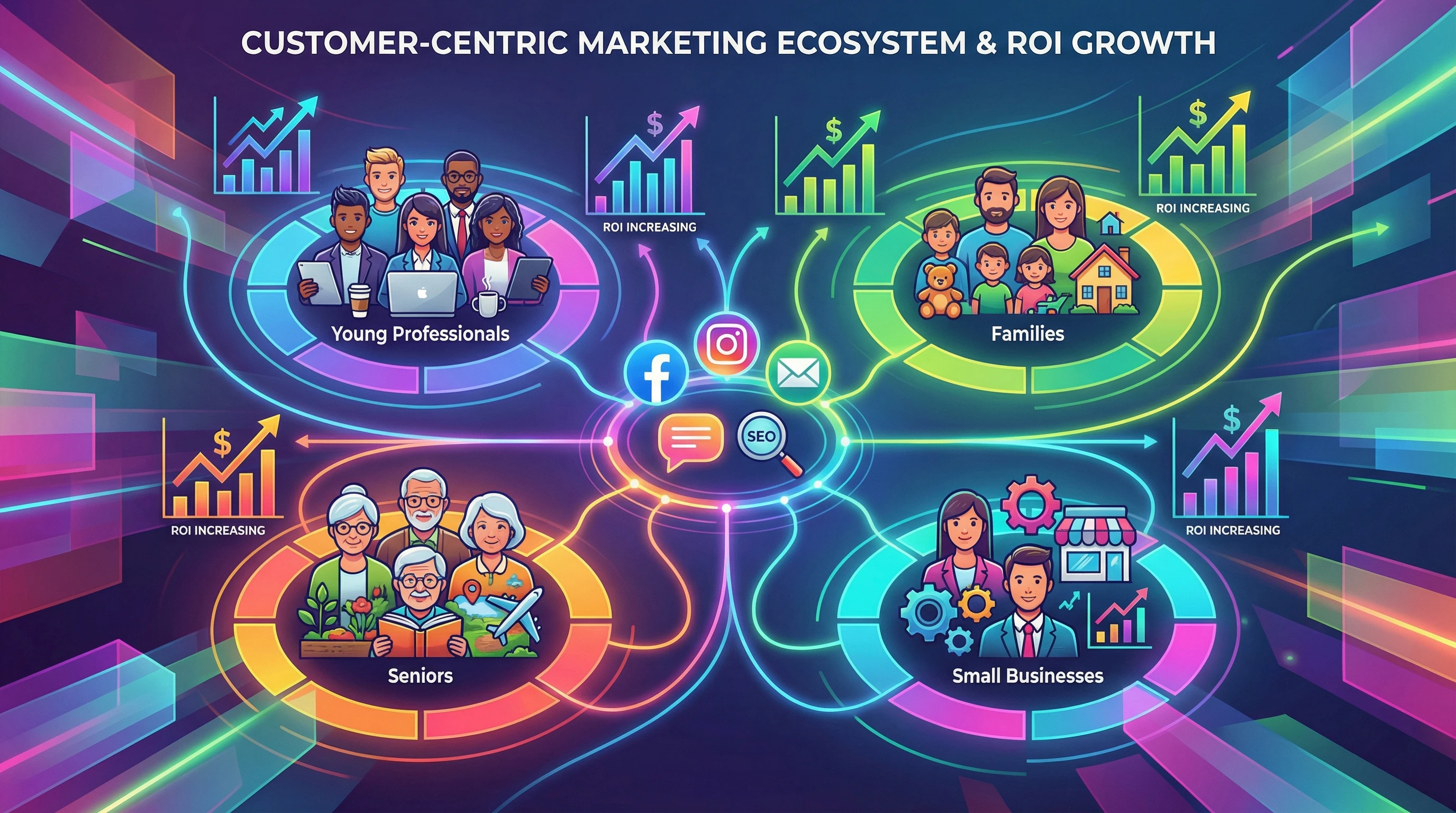
Customer segmentation basically means dividing your customer base into smaller groups that have similar characteristics. These can be demographic traits, purchase behaviors, interests, or even feelings toward your brand. The goal is to tailor marketing messages, products, and experiences to what each group finds attractive. Instead of treating everyone the same, you create a more personal relationship with each segment.
Companies that use customer segmentation often see better performance across their marketing efforts. According to research from HubSpot, segmented campaigns can generate much higher open and conversion rates. Because of this, segmentation is a real driver for getting more out of your marketing budget.
Segmentation isn’t just for big enterprises. Small businesses and solo entrepreneurs can benefit just as much by focusing energy where it counts. In many cases, at smaller scales, even simple segmentation can make a dramatic impact and help you connect with your audience far more effectively.
How Customer Segmentation Lifts Marketing ROI
Getting more return on investment (ROI) from marketing isn’t about working twice as hard or spending twice as much. It’s about creating messaging and offers that speak directly to your audience. That’s where segmentation really comes in handy. Here’s how it plays out in a practical sense:
- Improved Targeting: Tailored messages feel more relevant, which means people are more likely to get involved and act.
- Less Waste: When you know which channels and messages work for each group, fewer marketing dollars are wasted on campaigns that miss the mark.
- Better Campaign Performance: Segmentation usually leads to higher open rates, click-throughs, and conversions. Campaign Monitor reported that marketers saw up to a 760% increase in revenue from segmented campaigns.
- Happier Customers: People appreciate when brands understand their unique needs. This helps with loyalty, retention, and even referrals.
For example, one ecommerce company I worked with started segmenting customers by purchase frequency. Soon, they realized that people who made frequent, small purchases loved discount codes and personalized thank-you’s. High spenders, on the other hand, responded more to early access and exclusives. Targeted offers to each group grew sales by almost 40% in a single quarter.
Keep in mind that these benefits don’t happen overnight. They come from continually testing, learning, and refining your approach as you gather more data and get to know your audience better over time.
Common Segmentation Methods and Which Work Best
There are several ways businesses segment customers. I’ve tried a few, and different approaches make sense depending on your products, data, and goals. Here are the big ones:
- Demographic Segmentation: Organizing by age, gender, income, education, or job title. Great for products or services where these traits drive preferences.
- Geographic Segmentation: Sorting people by country, region, or even neighborhood. Super useful for local businesses or global brands running regional promotions.
- Psychographic Segmentation: Looking at customer personality, values, interests, and lifestyles. This goes deeper for things like wellness, travel, or fashion brands.
- Behavioral Segmentation: Based on purchase history, brand loyalty, or how people interact with your website or emails. This method is really good for ecommerce.
- Needs Based Segmentation: Focusing on the specific needs or pain points that drive customers’ decisions. Usually requires more research but leads to sharper messaging.
Depending on the tools and data you have, mixing multiple segmentation methods can provide even better insights. As an example, combining geolocation data with purchasing habits often uncovers trends that help brands get the timing and relevance just right. Many successful companies also add some customer feedback into the mix to learn the “why” behind certain actions.
Quick Guide for Getting Started with Segmentation That Boosts ROI
You don’t need a massive budget or enterprise-level software to begin. Here are some practical steps:
- Gather Data: Use what you have, whether it’s from social media, website analytics, surveys, sales, or CRM systems.
- Choose Relevant Segments: Pick criteria that fit your business. For some, it might be as simple as new vs. returning customers; for others, it can get more complex.
- Create Customer Profiles: Build quick profiles for each group. Give them names and details to make them feel real to your team. Adding some visuals or examples can help your marketing and sales teams relate to each segment on a personal level.
- Test Tailored Campaigns: Start small by tweaking subject lines, offers, or ad copy for your segments. Monitor performance and say again on what gets the best numbers.
- Refine Over Time: Segments will switch up, so keep monitoring and updating your approach. Surveys and feedback are super useful for spotting changes early.
Even if you start by segmenting your email list in two or three ways, you can get a boost in engagement pretty quickly. Marketing automation tools like Mailchimp, HubSpot, Klaviyo and AWeber make this process way easier even for small teams. Over time, as your business grows, you can work in more advanced techniques or specialized platforms, but the basics are often enough for measurable results.
Challenges and Common Pitfalls in Customer Segmentation
No method is foolproof, and I’ve seen a few classic mistakes pop up over the years. Here are some things to keep on your radar:
- Inaccurate Data: Segmentation is only as good as the data driving it. Old, missing, or wrong info can throw everything off. Try to verify and update your databases regularly.
- Segment Fatigue: Over segmenting can stretch resources thin and confuse customers if they start receiving too many mixed messages. Keep your segments manageable and focused.
- Ignoring Small Segments: Sometimes a small, high-value group gets overlooked because they don’t make up the bulk of your customer base. These can be gold mines for ROI if you tailor offers just for them.
- Stuck in Old Habits: Customer behaviors and preferences change, especially with trends and technology. Don’t be afraid to switch up your segments when data shows you it’s time.
Fixing these issues often means developing a regular habit of reviewing both your segments and your campaign data. That way, small problems don’t become big headaches. It’s also handy to ask for feedback in surveys or after purchases to double-check if you’re still in tune with your audience.
Maintaining Data Privacy
With all this talk of customer data, it’s really important to collect and use the information responsibly. Make sure you’re clear about how you collect data and let customers know why you’re gathering it. Staying up to date with data protection laws (like GDPR or CCPA) keeps you on the right side of things and helps build trust with your audience. A transparent approach often reassures customers and can actually step up your brand’s reputation.
Advanced Segmentation Tips to Further Boost ROI
Once you’re comfortable with the basics, there are a few advanced strategies that’ll take your segmentation, and your ROI, further:
Use Predictive Analytics: Tools that use machine learning to forecast which customers are ready to buy can make your marketing even smarter. For example, if someone always buys workout gear just before summer, predictive tools can help you reach out right on time next year.
Integrate Segmentation Across Channels: Make sure your segments aren’t just stuck in your email tool. Apply what you’ve learned about groups across your website, social, SMS, and even direct mail if it makes sense. Consistency across touch points can make your brand feel more personal and smooth the way for conversions.
Personalize Beyond Basics: Go further than including first names in emails. Tailor content, products, and recommendations to what each segment is interested in. This level of personalization is much more likely to drive action. It can even lead to unexpected upsell opportunities when you suggest exactly what someone wants, before they know it themselves.
Experiment with Microsegments: Sometimes, breaking down main groups even further helps you track down hidden opportunities. For instance, a pet supply shop might find dog owners and cat owners respond to entirely different types of content. Keeping your eyes open for these smaller splits allows for nimble campaign swings.
Tap Into Real Time Behaviors: Trigger campaigns based on what people do right now (like browsing a product or abandoning a cart) instead of only relying on past actions. Real time action can boost results by reaching customers at the exact right moment.
Putting these techniques in place might take a little extra work, but the payoff in ROI usually makes the effort worth it. Many marketers find that these more advanced tactics can give them a major edge over the competition by simply being more relevant and timely.
Examples of Customer Segmentation At Work
Plenty of companies have seen big wins thanks to smart segmentation. Here are a few examples I find pretty inspiring:
- Retail: A clothing retailer separates customers into “fashion forward” shoppers and “everyday basics” buyers. Each group gets emails and Instagram ads featuring different styles and promotions, leading to more clicks and bigger average orders.
- SaaS: A software company targets early users with free tutorials and technical support, while sending advanced feature lists and exclusive webinars to power users. This boosts trial to paid conversions and keeps long term users involved.
- Food Delivery: Restaurants identify regular weekday order placers versus special occasion diners. They send each group different offers, nudging the weekday crowd toward weekend meals, and giving the occasion diners a push with holiday reminders.
These aren’t complicated or expensive changes; just better focused communication that listens to what customer data is saying. Even tiny tweaks, like changing the images or language in your ads based on the segment, can make a serious difference.
Frequently Asked Questions
I get a lot of questions from marketers and business owners when they start looking at customer segmentation. Here are some common ones with straight forward answers.
Question: What’s the easiest way to start segmenting customers?
Answer: Start small. Use the purchase data or basic demographics you already have. Even a simple split between new and existing customers can give you useful results.
Question: Do I need expensive software to do segmentation?
Answer: Not at all. Most email marketing or ecommerce platforms have basic segmentation tools built in. As you gather more data and see bigger results, you can look at more advanced tools if you need them.
Question: How often should I review my segments?
Answer: Check in at least every quarter, or whenever you launch new products or see big changes in buying habits. Customer needs can switch up quickly, especially with changes in the market or the economy.
Real World Impact: Why Segmentation Makes a Difference
I’ve seen time and again how businesses that really understand their customers through segmentation get more from every marketing dollar spent. By sending the right message to the right person, not only does your marketing budget go further, but your brand also builds stronger relationships with customers. Over time, those relationships turn into repeat sales, positive word-of-mouth, and higher lifetime value for each customer.
If you’re feeling stuck with stale marketing results, segmentation might be what turns things around. Test, tweak, and keep listening to your customers. I find that’s where the biggest ROI jumps happen, no matter your industry or company size.
I have read several of your article now and I am extremely impressed with your knowledge, what is even more impressing is that you explain everything in plain English that is easy for everyone to understand.
Awesome how you explained what customer segmentation is for anyone not familiar with this term, and the benefits from this is very helpful for all small business owners.
The methods you share are extremely helpful for readers like myself, and I truly appreciate your quick get started guide that you provided
Thank you much
Jeff