
Balancing workload in a small team is one challenge a lot of folks end up facing, especially as demands and deadlines start ramping up. When you only have a handful of people wearing multiple hats, finding practical ways to keep tasks manageable without burning anyone out becomes really important. I’ve worked in quite a few small teams myself, and I’m sharing practical strategies that I’ve picked up and tested along the way.
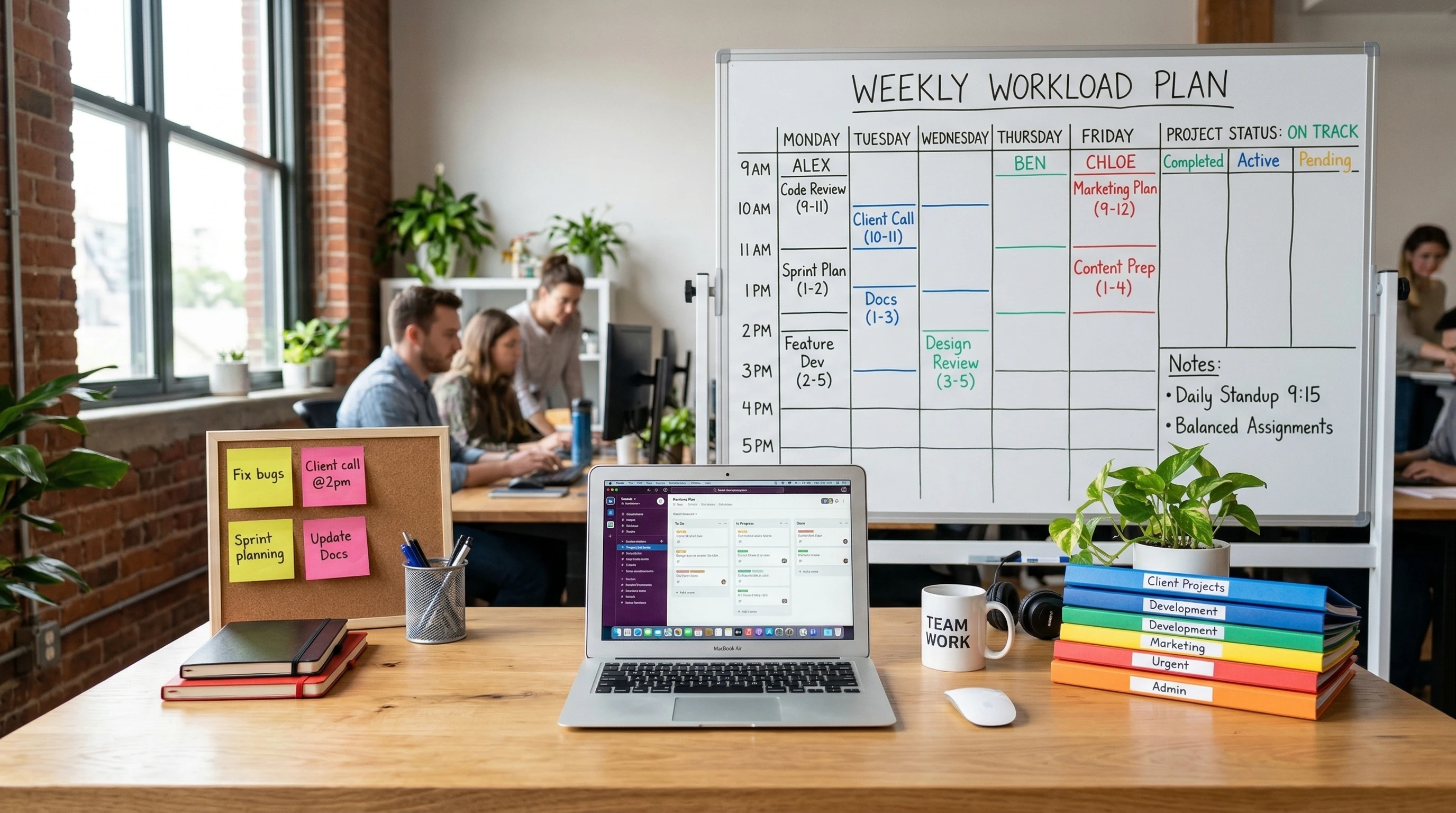
Why Balancing Workload Matters for Small Teams
In a small team, you quickly realize how every person’s output makes a big difference. If just one person gets overwhelmed or stretched too thin, it’s felt across projects. For me, balancing the workload means not just getting things done but also keeping my teammates motivated and clear-headed.
A small team might only have three to eight people, but the range of tasks can rival much bigger groups. Without some structure, it’s easy for work to pile up unevenly. This sometimes leads to bottlenecks, missed deadlines, or, worst of all, burnout. That’s why I always say keeping workloads reasonable is a team effort; everyone benefits, from entry level to leadership.
On top of that, a solid work balance strengthens trust among team members. When folks see that workloads are regularly checked and adjusted, morale goes up. No one feels left out or unfairly burdened. Keeping people happy and engaged can help small teams compete with those much larger organizations that may seem to have more horsepower, but not always the same spirit or motivation. Smaller teams can be nimbler and solve problems faster when the workload is balanced well.
How to Spot Workload Imbalances Early
It can be tricky to notice when someone is quietly overloaded, especially if your group is remote or out in the field often. I like to keep a close eye on a few big indicators:
- Frequent Overtime: When someone on the team regularly stays late or works weekends, there’s probably an imbalance.
- Missed Deadlines: If tasks keep getting pushed back or deliverables are often late, it’s a sign the workload could be unrealistic.
- Quiet Burnout: Low engagement, withdrawal from team chats, or even more mistakes than usual can be subtle red flags.
I sometimes do a low-key check in, nothing formal, just a quick coffee chat, even if it’s virtual. That way, people are more open about what’s going on. Being proactive about flagging these situations early is key, as most people are hesitant to admit feeling buried with work until things reach a tipping point.
Practical Approaches for Managing Workload in Small Teams
Here’s my go to set of techniques that really helps smooth things out when team size isn’t exactly in your favor:
- Clear Task Prioritization: I regularly use the Eisenhower Matrix with my teams. Sorting tasks by urgency and importance makes planning a lot simpler and helps us tackle what matters first.
- Transparent Task Assignments: Whether you use Trello, Asana, or just a group Google Sheet, clearly mapping out who owns which task avoids confusion and duplication. Everyone can see what’s expected of them and jump in when needed.
- Regular Check Ins: A fast ten minute daily huddle keeps everyone on the same page and allows for quick adjustments if someone feels stuck. These short meetings open up opportunities to flag trouble spots early.
- Time Blocking and Focus Sprints: Dedicating chunks of time to focus on specific types of work, such as writing, calls, or deep research, cuts down context switching and gives productivity a boost. This is helpful for avoiding distractions in small, open work environments.
These practices don’t need fancy software; even with free tools and straight forward routines, I’ve seen small teams pull together and get more done with less hassle. For us, agreeing on a shared rhythm makes work days smoother and helps reduce friction, especially with fewer hands on deck.
Tools and Tech That Make a Difference
Picking the right tools feels like a super power for small teams. I’m a fan of keeping things simple and cost effective, so here are a few pretty handy options:
- Task Boards: Trello, ClickUp, and Monday.com are great for visual folks who like to drag and drop tasks as progress happens. I favor and recommend Monday.com. Handling multiple projects with a small team can get complicated fast. Monday.com keeps everything organized in one place with simple, visual dashboards that work especially well for teams of 3–8 people. Assign tasks, track progress, and stay aligned without adding complexity. As your workload grows, Monday.com scales with you—so you stay in control at every stage. Start your free trial of Monday.com and simplify your project management today. Just click the link.
- Shared Calendars: Google Calendar helps everyone see upcoming deadlines and events at a glance. This makes it easy to schedule and avoid overlapped meetings or key dates getting missed.
- Communication Apps: Slack or Microsoft Teams keeps brainstorming, quick questions, and status updates in one place. Quick channels or group chats keep communication clear without filling up your inbox.
- Automation Tools: Zapier and Make (formerly Integromat) link up apps and automate repetitive chores, which is a huge time saver when your team has limited bandwidth.
I often combine these with a simple spreadsheet for tracking tasks that don’t fit neatly into an app. Honestly, the best tools are the ones your team will actually use and feel comfortable with. Don’t under estimate the usefulness of a big whiteboard or sticky notes either! Sometimes, the low tech route still works magic for small groups looking for a visual overview.
Common Roadblocks and Troubleshooting Tips
Even with a good plan, small teams can hit a few classic snags. Here are some I run into, and what’s worked for me:
- Unclear Roles: When everyone is doing “a bit of everything,” tasks fall through the cracks. I recommend clearly defining everyone’s main area, even if duties overlap. Regularly updated responsibilities help avoid confusion. Formal detailed job descriptions are a very effective way to clarify things.
- Too Many Meetings: It’s easy to overload a small team with back to back calls. I’ve found that moving less urgent chats to email or Slack helps free up time for actual work. Saving face to face meetings for topics that really need a group decision is a lifesaver.
- Work Creep: Saying “yes” to every new request is risky. A quick pause to check the team’s plate before taking on more work keeps capacity realistic. Don’t be afraid to push back or renegotiate deadlines if needed.
Small teams can bounce back quickly if everyone’s upfront about issues, and honest, regular feedback goes a long way. Keeping expectations clear helps a ton, and allows everyone to adjust when necessary.
Dealing With Tight Deadlines
Tight deadlines are pretty common in small teams. Whenever my group is sprinting to finish a project, we talk openly about what’s actually possible in the available time. Sometimes, that means negotiating the scope or asking for a little extra breathing room from customers or other departments. It’s way better than over promising and coming up short.
When a really tight deadline pops up, splitting work into bite sized portions and getting everyone involved keeps energy up. It’s essential to communicate both progress and snags quickly, so surprises don’t derail the whole plan. If overtime becomes the norm, I encourage the team to review workloads and see where ongoing improvements can be made.
Avoiding Burnout
Burnout sneaks in fast when resources are stretched. I pay close attention to how teammates sound and look out for signs, like frequent sighs, late replies, or even jokes about being “drowning in work.” Encouraging breaks, respecting out of office hours, and making sure workloads rotate fairly all help. Rotations not only spread the load but give people a psychological reset from repetitive or stressful tasks. Planning in time off well ahead of big push periods is another way to keep spirits high.
Advanced Strategies for Long-Term Success
Once the basics are nailed down, I like to look ahead at how to keep a small team thriving well into the future. Here are a few tricks I’ve learned:
- Cross Training: Letting teammates shadow each other or share skill sessions helps everyone cover more ground when someone’s out, and keeps things flexible. This approach gives people confidence to chip in when roles overlap.
- Rotating Responsibilities: Mixing up who leads meetings or owns specific projects not only builds new skills but also stops things from getting stale or monotonous. It gives people a chance to shine in new ways.
- Feedback Loops: A monthly, low pressure feedback round lets people bring up any stress points early and helps the team course correct before issues pile up. These sessions can be quick and casual but make all the difference in keeping stress down long term.
I once worked on a team where we set up a rotating “week captain.” One person handled standups, scheduled priority reviews, and was the go to for any blockers. It brought the group closer together and made it easier to spot small stresses before they grew big.
Real-World Examples of Workload Balancing
Seeing practical approaches in action usually helps more than a hundred tips. I’ve seen small marketing teams that assign weekly sprints for specific goals, then hold laid back debriefs at the end to talk about what went well. One nonprofit I worked with used color coded task boards to quickly see if one person was loaded up with red “urgent” jobs.
A classic trick I like is peer reviews. Before finishing a big customer report, we swap drafts for a quick check. Not only does it keep mistakes down, but it also shares the review load, so no single person gets bogged down with all the editing. Real world examples like this show that even teams with limited resources can work smarter and avoid overload by sharing work.
Frequently Asked Questions
These are questions I get pretty often from folks who work or are about to work in smaller teams:
How can small teams handle sudden spikes in workload?
Answer: I recommend tackling urgent items as a group, then splitting less pressing ones into manageable sprints. If a surge keeps happening, it might be time to chat with leadership about bringing in temporary help or automating some repetitive tasks.
What if someone on the team says they’re overloaded?
Answer: The best way is to have an open talk about priorities. I suggest moving or reassigning tasks, even if just temporarily, to give that teammate time to catch up. The other option is rotating future high demand tasks.
Are there signs that the team’s workflow isn’t balanced?
Answer: Recurring missed deadlines, people regularly working late, and unfinished to do lists at week’s end all suggest things might be off balance. Those are your signals to pause and re review task assignments.
Key Takeaways for Small Teams
Balancing workload in small teams is totally possible with honest chats, simple routines, and a willingness to adjust when things start to tip off balance. Making the most of the right tools, sharing feedback, and looking out for each other means work stays sustainable, and actually, a bit more fun for everyone involved. Keeping this stuff front of mind has helped me (and plenty of colleagues) get projects done together without constant stress and leaves more energy for the creative or rewarding parts of work life.
Wrapping up, small teams have unique strengths and challenges when it comes to workload. With awareness, a bit of planning, and a spirit of teamwork, you can keep things rolling no matter what comes your way.
Here’s a little transparency: Our website contains affiliate links. This means if you click and make a purchase, we may receive a small commission. Don’t worry, there’s no extra cost to you. It’s a simple way you can support our mission to bring you quality “Business Planning content.”
This post really highlights how important it is for small teams to stay organized and proactive when it comes to managing workload. The main goal seems to be showing that with the right systems in place, like clear task prioritization, regular check-ins, and simple tools, teams can avoid burnout while still staying productive and aligned.
I also like how it emphasizes that workload balance isn’t just about getting more done, but about keeping the team motivated and working sustainably over time.
One thing I’m curious about: how would you adapt these strategies for a fully remote team where communication and visibility can be more challenging?
All the Best
Eric
Thanks for comment.
In fully remote teams it is very important to have great communication. Regular meeting using a product like teams is very effective. That and regularly scheduled face to face meetings will reinforce that all are members of the same team working toward the same goals.