
Rapid growth can seem like a badge of honor for small business owners. Sales are up, new customers are rolling in, and it looks like you’re finally getting the attention you’ve craved for so long. But growing too fast can bring more headaches than celebrations if you’re not careful about the warning signs. I’ve seen plenty of folks in the small business world get swept up in momentum only to realize, sometimes too late, that their business isn’t set up to handle the whirlwind.
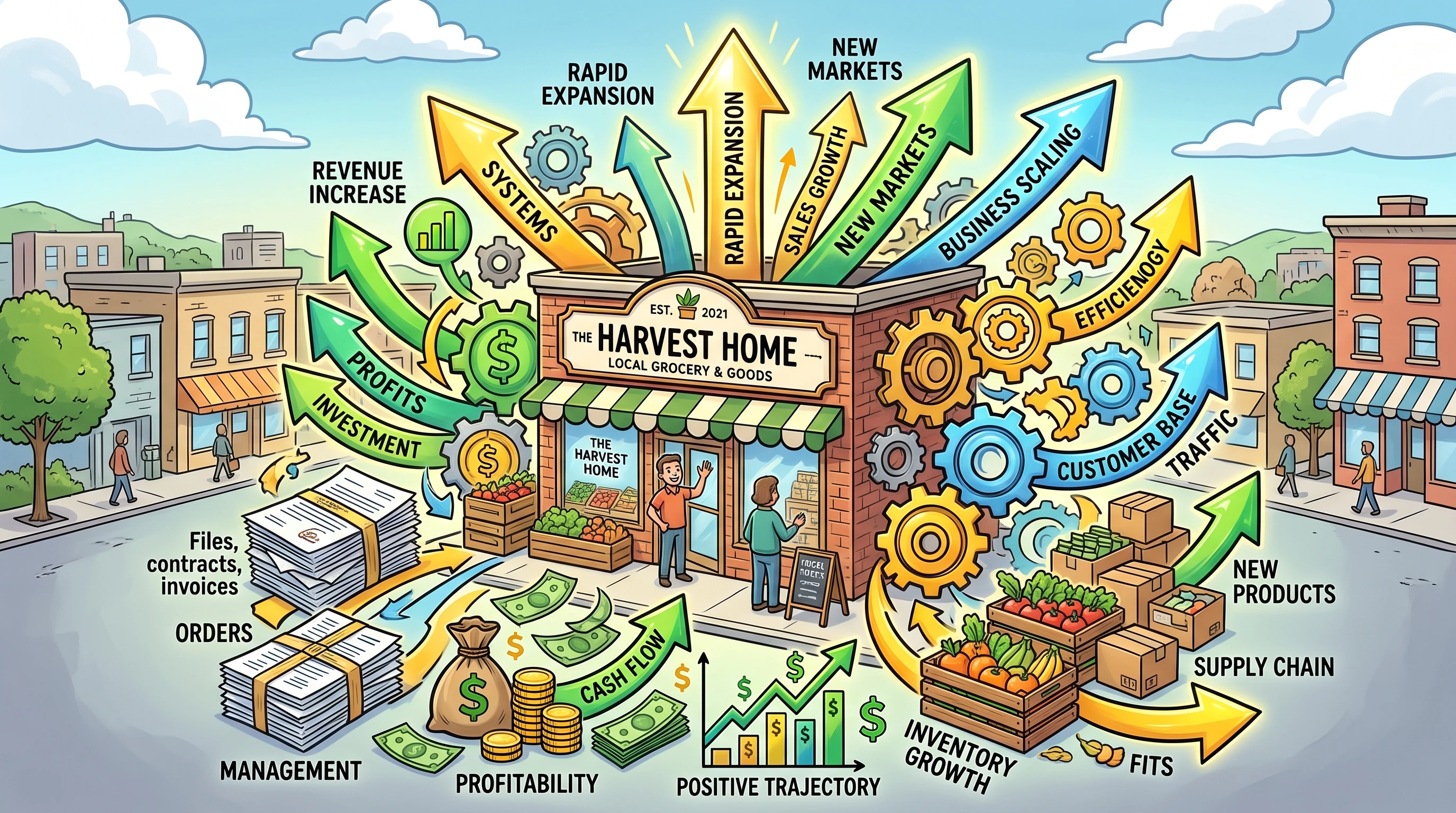
Why Growing Too Fast Can Spell Trouble
It’s pretty tempting to chase every new opportunity and push for more sales, but if you grow without a solid foundation, small businesses end up at serious risk. Letting expansion happen quickly brings pressure in many places: cash flow, staffing, customer experience, and operations. Before long, you may feel like you’re spending more time putting out fires than actually moving your business forward.
Plenty of businesses stumble because they mistake more business for better business. Without solid systems and a clear handle on what’s driving success (and what isn’t), fast growth can create cracks that are tough to fix later. Early warning signs are worth knowing so you can quickly get back on track before things start unraveling.
Common Signs Your Small Business Is Growing Too Fast
There are some big red flags that can pop up when things are going a little too well, a little too fast. These warning signs usually show up across several areas of your company, and it’s really important to notice them early.
- Crumbling Customer Service: If your reviews start to dip, support tickets go unanswered, or long time customers feel ignored, this is worth paying attention to. A sudden uptick in complaints or returns can signal that quality is slipping.
- Constant Cash Crunch: Growing fast often means spending before you get paid. If you’re regularly struggling to cover payroll, pay suppliers, or keep stock on hand, even though sales are up, there’s probably a cash flow problem brewing.
- Over Worked and Stressed Staff: When your team is stretched so thin that burnout and high turnover become common, things are reaching a breaking point. Employees might skip breaks, work late, or rush through critical tasks just to keep up.
- Supply Chain Headaches: Are you running out of inventory, back ordering items, or disappointing customers with delays? Suppliers can have a tough time scaling with you, and even small disruptions can ripple through your business.
- Poor Process and Disorganization: If paperwork, orders, or data are always piling up, or if you can’t clearly track revenue and expenses, those things will quickly spin out of control as you scale.
- No Clear Strategy for Growth: If you’re just saying “yes” to every new customer or project, with no plan, it’s easy to lose sight of your original goals and brand identity.
How Fast Is Too Fast? Knowing a Sustainable Growth Pace
Not all growth is dangerous, but trouble happens if you’re scaling so quickly that your internal resources can’t keep up. Figuring out what’s manageable for your business means paying attention to how your people, processes, and cash flow handle things as they speed up.
Some small business experts say that a healthy, manageable growth rate falls some where around 10–20% per year for revenue. This isn’t a hard rule, but it helps spot when things are accelerating too quickly to handle. Seasonality, your industry, and the local competition can change what’s realistic for you, so it’s always worth comparing with similar businesses in your space.
Sometimes it helps to pause and look at your staffing, customer satisfaction, and supply stability, not just sales numbers. Track customer retention, keep lines of communication open with staff, and check with suppliers to get a sense of whether their infrastructure can keep up with the pace. Regular check ins and honest reviews will help you spot trouble early.
What Causes Fast (and Risky) Growth?
Rapid growth isn’t always a bad thing. Sometimes, it happens thanks to a successful product launch, a seasonal surge, or even a well timed marketing campaign. But when growth starts to feel risky, a few patterns pop up:
- Under Pricing or Over Promoting: Discounts and deals can bring in a flood of new customers, but if you’re not making enough profit per sale, you might be busier without actually getting better off financially.
- Lack of Planning: Adding products, services, or new markets with no real plan to support operations makes it easy to get in over your head.
- Poor Financial Controls: If you don’t have solid accounting and financial management, it’s tough to know if you’re building on a safe foundation or just skating by on lucky breaks.
- Loose Hiring or Training: Bringing on lots of new staff quickly, or keeping under qualified people in critical roles, means you risk serious mistakes, disorganization, and big losses in company culture.
Warning Signs by Department
Problems from growing too quickly can show up in different areas, so it’s helpful to know what to watch for in each department. Here are a few examples:
Finance
- Rising accounts receivable; you’re invoicing plenty but not collecting cash
- Constantly maxed out credit lines or personal loans
- Inability to accurately forecast expenses or revenues
Operations
- Chronic back orders, missed delivery dates, or mistakes in fulfilling orders
- Equipment and systems breaking down from over use or lack of maintenance
Sales and Marketing
- Selling more than you can deliver, causing over promises to customers
- Lack of coordination between sales and fulfillment teams
Human Resources
- High turnover or staff reporting burnout
- Loss of team morale and poor communication
Practical Steps to Manage Fast Growth
- Monitor Cash Flow Weekly: Get in the habit of checking your in flows and out flows closely. Spot cash gaps early so you can adjust quickly if needed. I adopt a thirteen week rolling forecast policy. It provides great visibility and eliminates surprises.
- Only Say Yes If You’re Ready: Don’t be afraid to turn down new business or ask for a longer lead time if you can’t deliver excellent results right away. Protecting your reputation can be more valuable than short term gains.
- Invest in Staff Training: Build systems and processes that make it easy for new hires to get up to speed and fit in with your company’s culture. Retaining good people costs less than constantly replacing them.
- Automate Routine Tasks: Use affordable software to automate reordering, accounting, payroll, or other repetitive tasks. It saves time and helps cut down on costly mistakes.
- Keep Clear Data: Well organized information about sales, expenses, and inventory helps you spot problems early and fix bottlenecks as they happen.
- Talk to Your Team: Encourage feedback and check in often. Your front line workers usually see trouble before you do and can give invaluable insights.
Troubleshooting: What to Do If You Spot These Signs
- Pause and Assess: Step back and list out your biggest pain points. Figure out which issues are costing you the most so you can prioritize fixes.
- Bring in Expert Help: Book some time with a business coach, accountant, or industry mentor who’s handled fast growth before. A fresh perspective can help you catch problems you might miss.
- Line Up Contingency Plans: If you’re relying on one big customer, supplier, or piece of equipment, brain storm backup options. Mixing in some variety with your customers or supply sources can help manage risk.
- Focus on the Core: Stay close to your original mission and values. Don’t get distracted by every shiny opportunity; stick with what makes your business strong.
Use the Right Tools to Keep Growth Under Control
Rapid growth becomes much easier to manage when you have systems that give you better visibility and control. QuickBooks can help you stay on top of cash flow, income, expenses, payroll, and other financial information, making it easier to recognize when growth is putting pressure on your finances.
On the operational side, Monday.com can help organize workflows, assign responsibilities, automate repetitive tasks, and give your team better visibility into what needs to be done. As your workload and staff increase, having these processes in place can help prevent growth from turning into confusion.
If your business is growing quickly, take a closer look at QuickBooks and Monday.com to see how they can help you keep the financial and operational sides of your business under control as you grow.
Real World Examples
I’ve seen more than one local café expand too quickly to a second or third location, only to realize that keeping even one café running well is a lot different than managing a mini chain. Quality can dip, regulars leave, and suddenly the excitement of expansion turns into a lot of stress. On the other hand, businesses that grow more slowly and methodically, like building up take out first, then adding seats, or hiring staff gradually, tend to keep steady momentum without over extending or risking their reputation.
Another example is a small retail store that jumped into online sales after a sudden burst of local demand. Because they planned for extra inventory, trained existing staff, and set small, manageable online targets, they built up online sales without dropping the ball in their store front. This approach made it possible for them to expand at a comfortable pace while maintaining excellent customer service.
Frequently Asked Questions
Question: How do I tell if my business is growing too quickly?
Answer: Watch for increasing mistakes, cash flow crunches, and problems meeting customer expectations. If you feel overwhelmed by constant emergencies, or can’t explain how you’re getting new customers, it’s a good idea to slow down and review your setup.
Question: Is it okay to refuse new customers if I’m not ready?
Answer: Absolutely. Saying “not yet” or providing realistic timelines is a sign of a healthy business. It’s better to deliver a great experience than to risk damaging your reputation by taking on too much.
Question: What’s a safe way to increase capacity?
Answer: Test and invest slowly by piloting small changes, like launching one new service at a time or taking on a few extra customers before ramping up. Track results so you know what works before carrying it out everywhere.
Building a Business That Grows at the Right Pace
Sustainable growth is a balance between ambition and planning. There’s nothing wrong with dreaming big, but steady, intentional growth keeps your business healthy. Pay attention to the warning signs, stay close to your numbers, and make plans for the bumps you’ll definitely hit along the way. Keeping your team involved, your customers happy, and your financials organized are all crucial for turning fast momentum into long term success.
A business that grows at a manageable pace is set up to weather tough times and seize good opportunities. Slowing down to check your foundation will help you set up something truly lasting, so keep an eye out for those warning signs as you move ahead. Remember, growth is great, but growing at a rate your business can handle is the real win.
Here’s a little transparency: Our website contains affiliate links. This means if you click and make a purchase, we may receive a small commission. Don’t worry, there’s no extra cost to you. It’s a simple way you can support our mission to bring you quality “Business Planning content.”
It seems strange to think that growing too quickly could actually be a problem for a small business, but you make some good points here. I especially thought about the cash flow issue. You could have more customers and higher sales than ever and still find yourself struggling to pay suppliers or employees because you’re spending the money needed to handle all that new business before the revenue actually comes in.
I also liked your point about being willing to say no to new business if you aren’t ready for it. I would imagine that can be very difficult for a small business owner, but taking on more customers than you can serve well could ultimately do more harm than good.
Do you think cash flow is usually the first warning sign that a business is growing faster than it can handle, or are staffing and customer service problems more likely to show up first?
– Scott
Thanks for the comment.
Cash Flow is the first warning sign. It can be affected by two things. Customers that are slow paying and taking orders and not getting some sort of deposit. The business needs to fund the cost of manufacturing product or buying product to fill those order before receiving payment.
The point about revenue rising while cash still feels tight is one many owners miss, especially when payroll, inventory, and supplier terms all expand before customer payments arrive. How do you recommend a service-based business distinguish a temporary growth-related cash gap from a deeper problem with pricing, client payment terms, or profit margins?
The 13-week rolling forecast is a helpful practical takeaway. For owners who do not yet have a finance person on staff, what are the first few numbers you would insist they review each week alongside cash on hand to spot capacity strain before customer service and team morale start slipping?
For a service based business put together a trend analysis for cash flow showing the detail of the components. That will show any issues that need to be addressed. This answer also applies to your second question.