Organic growth and paid advertising are two main routes for getting noticed online, but they work in totally different ways. I’ve seen plenty of brands try to get quick results with ads, only to realize the real power of steady, organic growth over time. Figuring out what’s right for you means understanding both approaches, and there’s a lot to unpack even before you start mixing the two together.
What Is Organic Growth, and How Does It Work?
Organic growth is all about building your audience naturally, through valuable content, word of mouth, and authentic engagement rather than simply paying for quick attention. In my experience, this means using search engine optimization (SEO), regular social media posting, email newsletters, or valuable resources on your website to pull people in over months and years. You’re not pressing the “boost” button and waiting for the metrics to jump; you’re slowly building real relationships and trust.
This approach can be really powerful in the long run. When an audience finds you organically, it’s usually because your content, product, or service solved a problem for them. That connection tends to last a lot longer compared to someone who clicked on a random ad.
Recent research from HubSpot shows that organic search and word of mouth are consistently top sources of traffic and leads for businesses of all sizes. Organic growth might not feel all that eye-catching at first, but it creates a more loyal and engaged following as time goes on.
Plus, organic traffic often results in higher engagement rates. Because people are stumbling upon your content through their own search or curiosity, they arrive already interested and more likely to become returning visitors, subscribers, or customers. Over time, this creates a solid foundation that can weather market changes or shifting trends.
What About Paid Ads? The Immediate Impact
Paid advertising provides a direct shortcut to getting eyes on your brand. I’ve seen businesses use Google Ads, Instagram promotions, and paid placements to get in front of thousands of people basically over night. There’s no doubt it works if you want fast results, and sometimes it’s the only option for an urgent campaign or new product launch.
You set your budget, decide on your target audience, craft a message, and the platforms do the rest. Paid ads can get you clicks, signups, or even sales within days. But it’s important to remember you’re often renting attention. When you stop paying, that tap usually turns off quickly.
Platforms like Facebook Ads Manager, Google Ads, and LinkedIn Sponsored Content can put your message in front of people you might never reach otherwise. At the same time, higher costs, ad blindness, and ever-changing algorithms make it tough to rely only on paid ads for ongoing growth.
Another thing to consider: paid ads provide granular targeting, letting you reach specific demographics, interests, or behaviors. This power can help you maximize your ad spend and test new markets, but it can also lead to escalating costs without lasting returns if not carefully managed.
Long-Term Benefits of Organic Growth
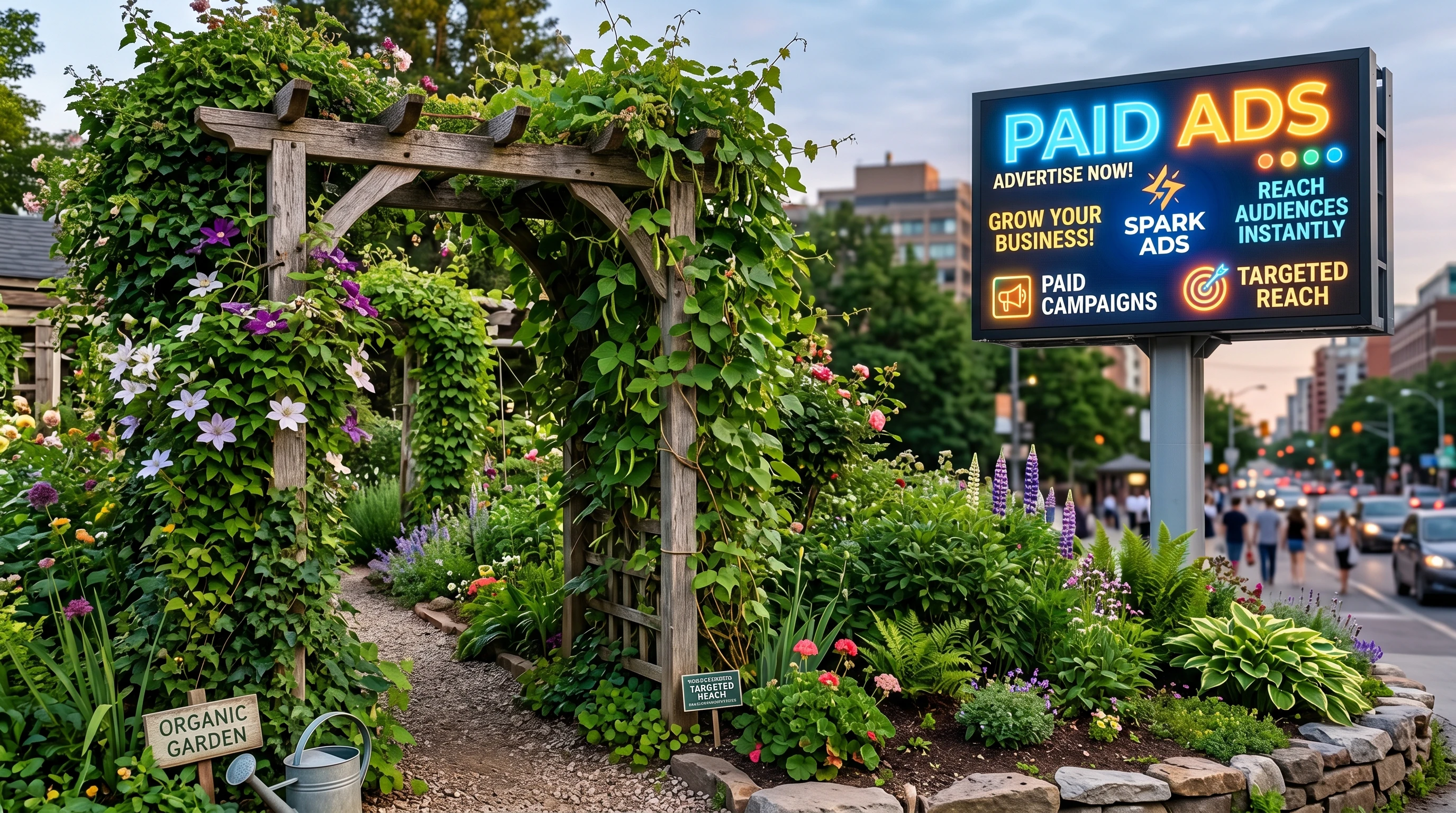
Organic growth is kind of like planting a garden instead of ordering takeout. It takes patience and care, but once those roots are in the ground, your work keeps delivering results for a long time. Here are some benefits I see when brands play the long game:
- Trust and Credibility: When people come to you through organic search or referrals, they’re arriving because you earned their trust. It just feels more genuine than seeing the same ad pop up in their feed three times a day.
- Steady, Sustainable Traffic: Organic methods mean your content keeps working long after you hit publish. For example, a helpful blog post can bring in new leads every month for years if it stays relevant to users’ needs.
- Lower Cost Over Time: Paid ads can get expensive fast. With organic growth, upfront effort pays off later with ongoing traffic and conversions that aren’t tied to your advertising spend.
- Better Engagement: Organically built communities are made up of people who actually want what you offer. They’re more likely to stick around, recommend you, and engage with your content.
Additionally, organic growth often brings compounding benefits. For instance, great content can help you earn backlinks from other reputable sites, which further boosts your search rankings and draws even more organic visitors. This snowball effect means that the work you put in upfront continues to generate rewards long after your initial effort.
On top of that, search engines and social media algorithms often reward real, consistent engagement over time. This means any investment in quality organic content tends to build up long-term value the longer you keep at it.
When Paid Ads Make Sense
Sometimes you just need that quick boost, and paid ads deliver exactly that. I’ve found they work best for:
- Product Launches or Events: Rolling out something new? A targeted campaign can help you hit the ground running and build fast momentum.
- Testing Ideas: Before spending months creating lots of content, running a few targeted ads can help you figure out what messages and offers your audience cares about most.
- Retargeting: Reaching out to people who already know you but need a quick reminder to finish their purchase is a great low-cost tactic.
- Brand Awareness in a New Market: Expanding to a new location or demographic? Paid ads let you reach new audiences without waiting for months of organic traction.
Of course, the flip side is that the minute you turn off your ad spend, the results usually dry up. Using paid ads as your only growth strategy leaves you starting from scratch every time your budget runs out.
Something else to watch for: ad fatigue can creep in quickly. Audiences may start tuning out your message if they see it too frequently, meaning you need to frequently refresh creative or modify targeting to keep performance up. This adds to the ongoing workload and underscores why relying exclusively on paid ads can be risky.
Mixing Organic and Paid for the Best Results
There’s no rule saying you need to choose just one path. The real magic happens when you combine organic growth with smart paid advertising. In my experience, brands do best when they use ads to jump start things and fuel organic tactics for the long haul.
For instance, I’ve worked with businesses that use paid ads to attract new followers, then keep them engaged with regular blog posts, useful newsletters, and community activities. The paid ads cast the net, while organic content turns new faces into loyal fans. Retargeting ads keep your name in front of people who’ve already shown interest, a really practical way to make both approaches work together.
Google’s own guides recommend this sort of mixed approach, pairing quick wins from ads with the credibility and staying power of organic content for top results (source).
This combination also helps you hedge against changes in either channel. If an algorithm update suddenly drops your organic traffic, paid ads can help keep the flow going while you adapt. If your ad costs spike, your strong organic presence can soften the impact.
One of the most effective ways to make this strategy work is by capturing and nurturing those new prospects after they arrive. For example, someone may click on a paid ad, visit your website, and subscribe to your email list for additional information. From there, regular newsletters, educational content, and special offers can help build trust and keep your business top of mind. Tools like AWeber make it easy to create signup forms, automate follow-up emails, and develop long-term relationships with potential customers. In many ways, email marketing helps bridge the gap between the immediate impact of paid advertising and the lasting value of organic growth.
If you’re using paid advertising, organic content, or a combination of both, building an email list can help you get more value from every visitor. AWeber provides tools for lead capture, email automation, newsletters, and audience segmentation, making it easier to turn prospects into long-term customers. Click the link to learn more about AWeber and to start a free trial.
Challenges With Each Approach (And How To Handle Them)
- Organic Takes Time: You won’t see overnight results. Tracking your progress and setting honest expectations helps you stick with it. Tools like Google Analytics and Google Search Console can show how your hard work is starting to pay off.
- Paid Gets Pricey: Costs can add up quickly, especially in crowded markets. Testing small budgets, refining your audience, and watching ROI closely is very important.
- Staying Fresh: Algorithms change, audiences move on, and “what works” today might not work next year. Being adaptable and ready to tweak your approach keeps both organic and paid channels effective.
Another challenge worth considering is the need to consistently produce high quality content for organic growth. Staying relevant means keeping up with topics and questions your audience actually cares about, which often requires ongoing research and creativity. For paid ads, competition can rapidly increase costs, and performance can fluctuate with market shifts or changes on the advertising platform.
Quick Guide To Building Strong Organic Growth
If you want your business to keep bringing in new customers without breaking the bank on ads, focusing on long-term organic growth is a smart play. Here’s how to set the foundation:
- Do Keyword Research: Figure out what people are searching for in your field, then build content around those terms.
- Consistent Content Creation: Blog posts, resource guides, videos, or podcasts. The key is to keep things fresh and valuable for your audience.
- Keep Up Engagement: Respond to comments, answer emails, and join conversations on social media. Real connections lead to recurring visits and shares.
- Track and Adjust: Use analytics tools to see what’s working, then double down on what brings the best results.
- Prioritize User Experience: Make sure your website loads quickly, looks good on mobile, and offers real help to visitors. Listen to feedback and continually look to improve your site’s usability.
- Encourage Sharing: Make it easy for people to share your content on their own social media or by email. Social proof can expand your reach far beyond your immediate audience.
Real-Life Example: Organic Vs. Paid In Action
Here’s a quick story from my own experience: I worked with a small local bakery that spent months investing in beautiful product photos and behind the scenes blog posts. Their initial results were slow, but each new post brought a trickle of new followers. Meanwhile, short bursts of paid ads promoted their holiday deals. Over a year, their organic website traffic nearly doubled, and loyal customers kept coming back even when they paused ads.
This combo of long-term organic growth and strategic paid promotions worked better than either would have alone. Their content gave people a reason to connect beyond one off deals, and their ads pulled in folks in neighboring towns who might not have tracked down them otherwise.
What stood out most was how the organic content built genuine interest in their brand story—recipe spotlights, staff profiles, and baking tips made the bakery feel personal and trust worthy. The ads, on the other hand, introduced a steady stream of new faces, many of whom stuck around because they liked what they saw. This kind of synergy grows brand equity over time and lowers future marketing costs.
Common Questions About Organic Growth Vs. Paid Ads
Question: Which is better for a new website with no audience?
Answer: Using a mix of both usually makes sense. Paid ads can give you an initial boost, while you work on building organic traffic over time.
Question: How long does organic growth take to pay off?
Answer: It varies, but I usually see meaningful results in about 6-12 months with regular effort. Staying consistent really matters here.
Question: Are there any downsides to paid ads?
Answer: Besides the cost, results stop the moment you stop paying. If you rely only on ads, you might struggle to build lasting customer relationships.
Question: Can a business succeed without ever running paid ads?
Answer: Yes, but it usually takes longer and requires more patience. Some brands grow solely through content, SEO, and word of mouth connections.
Question: How do I tell if my organic or paid strategies are actually working?
Answer: Use analytics tools to track where your visitors come from and what actions they take. Watch both your organic traffic and ad performance metrics, comparing conversions, bounce rates, and engagement from each source. This helps you make better decisions as you go.
Parting Thoughts: Building For The Long Haul
The real key to lasting online success is balance. Paid ads give you speed, organic growth gives you staying power. Investing in both, and knowing when to push which lever, keeps you in front of your audience today and builds the foundation for tomorrow. Stick with your plan, pay attention to your audience, and adjust when things switch up. You’ll see steady progress that keeps paying off long after your first campaign launches.
This was a very practical and honest comparison. I liked the way you explained that paid ads can bring quick attention, but organic growth builds something more stable over time. The idea that ads are like renting attention, while organic content keeps working after it is published, really makes sense. I also agree that the best approach is often a balance: using paid ads for a boost, but still building trust through helpful content, SEO, email, and real engagement. Great reminder for small business owners to think beyond quick results.
Hi,
I like how you explained upselling and cross selling in a clear way. The examples made it simple to understand how small businesses can use these ideas without being pushy. I also liked the part about testing one method first instead of trying everything at once. Thank you very much for making this more simple and easily understandable. I still wonder whether the cross selling works better in shops or online?
Thanks for the comment.
Cross selling works well in shops and online. Online does have a slight advantage as you can automate the process.