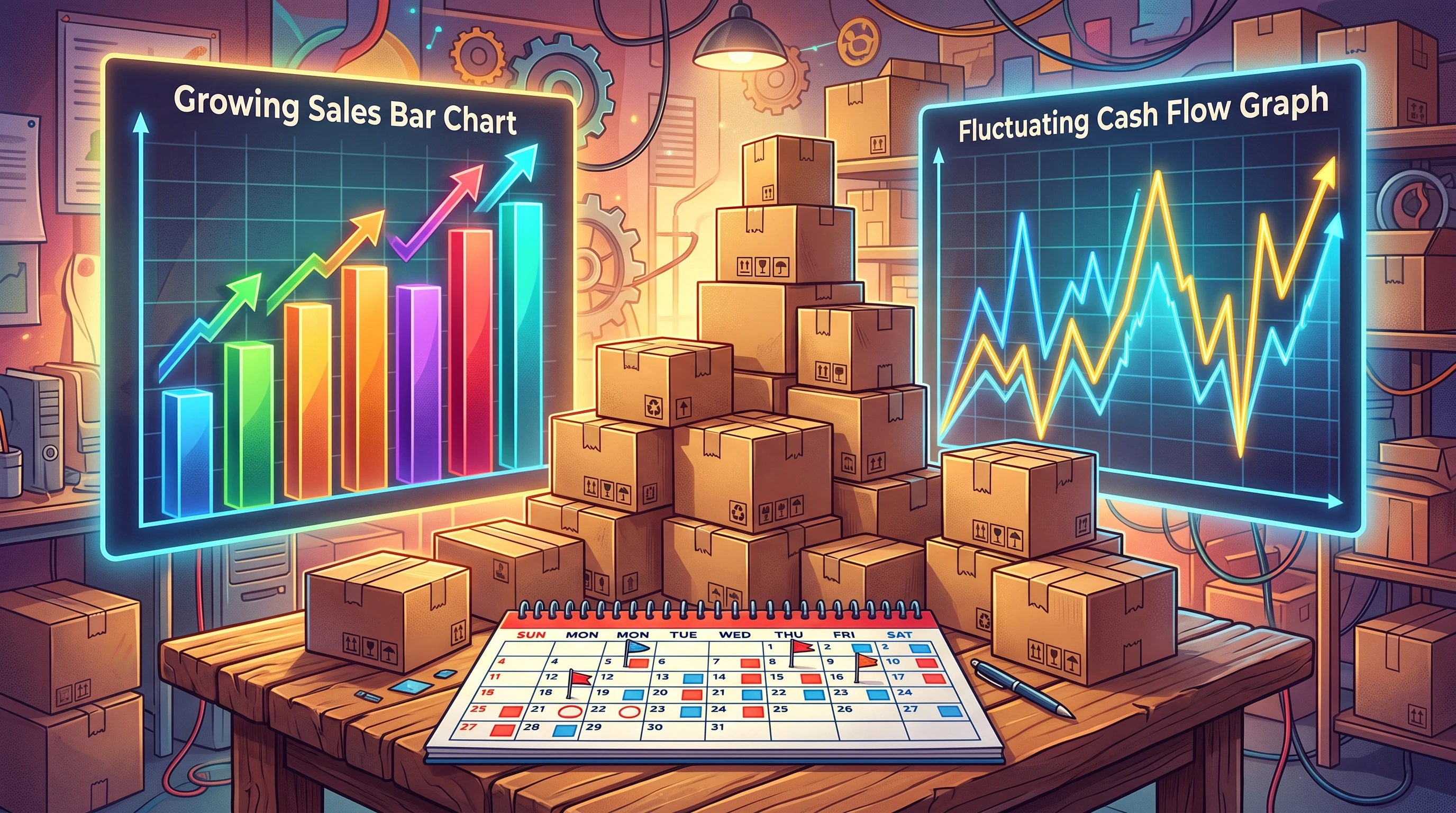
Growing sales usually sounds like a win for any business, but there’s something a lot of folks miss: bigger sales figures don’t always translate into more cash in your bank account. This can feel confusing. If money is coming in, shouldn’t cash flow go up too? In reality, having lots of sales can sometimes stress your finances even more, especially if you haven’t got a handle on how your cash moves through the business. I’m breaking down exactly how sales growth might not mean better cash flow, why this happens, and what you can do to avoid nasty surprises.
Understanding the Basics: Sales vs. Cash Flow
Sales refer to the total value of goods or services you’ve sold, while cash flow tracks the movement of actual cash in and out of your business. On paper, you might see impressive revenue from sales, but that doesn’t always mean cash is available to pay bills, staff, or suppliers. Sometimes there’s a big gap between making a sale and receiving the cash for it.
Cash flow is what keeps your business running day to day. If you sell a product but the customer pays you in 60 days, your reported sales spike today, but your cash won’t actually increase until well down the road. It’s pretty common for businesses to run into trouble here, which is why understanding the difference is extremely important.
Common Reasons Sales Growth Doesn’t Equal Better Cash Flow
A business that’s growing quickly can actually end up tighter on cash if it’s not paying attention. Here are some of the usual suspects that cause this disconnect:
- Long Payment Terms: If your customers take 30, 60, or even 90 days to pay invoices, you’re left waiting while your expenses (like payroll and suppliers) need paying now.
- Inventory Buildup: To support bigger sales, you might need to carry more stock. That ties up cash in unsold goods, which can leave your bank balance looking pretty lean.
- Rapid Expansion: Opening new locations or adding new lines often means paying for more supplies, marketing, and staff before seeing any cash back from extra sales.
- High Upfront Costs: Manufacturing, packaging, or storing goods usually costs money upfront, but you might not see the return for weeks or even months.
- Credit Sales: Selling on credit can drive up sales numbers, but also means waiting around to actually get paid.
It’s not unusual for a growing business to feel more pressure on cash, especially if sales growth is unexpected or poorly managed.
Key Cash Flow Challenges Fast Growing Businesses Face
Here’s where things usually get tricky for companies that are selling more but still struggling with cash:
- Sales Outpacing Collections: If your receivables pile up (meaning customers owe you), you can look profitable on paper, but cash is still stuck else where.
- Payables Coming Due: Suppliers want to be paid on time, regardless of whether you’ve collected from your own customers. Balancing what you owe with what you’re owed is a juggling act.
- Payroll Pressures: Staff need to be paid regularly, often before the cash from your latest sales comes in.
- Growth Consumes More Cash: As your sales rise, you may need to pay for more marketing, logistics, or equipment before seeing returns.
Getting ahead of these issues before they hit makes it possible to keep growing without running into a cash crunch.
Practical Examples: How Fast Sales Can Cause Cash Flow Problems
There’s nothing like a real life example to show how this works:
Wholesale Distributor: Imagine you run a small company selling goods to retail stores on 60-day billing terms. When a big order comes in, you have to buy the stock, ship it, and pay your suppliers. Sometimes all this happens before you see a dime from the retailer. If several large orders roll in at once, your sales revenue can look great, but your available cash could take a serious hit until those invoices get paid much later.
Online Store with Rapid Growth: Suppose your ecommerce store’s marketing campaign produces a spike in sales. Now, you need to buy more inventory to keep up, maybe hire more staff, and bump up your tech spending. Even though sales go up right away, your bank balance can dip unless your customers pay immediately, which is pretty rare with B2B sales.
Both scenarios show how sales growth sometimes means more cash going out now, with the actual inflow lagging far behind. It’s easy to miss how quickly your expenses ramp up until you’re already feeling the pinch.
How to Spot a Growing Cash Flow Gap
Catching the warning signs early can help you avoid headaches. Here’s what to watch for:
- Rising accounts receivable (customers owe you more than usual)
- Constantly needing short term loans or credit lines just to cover regular expenses
- Delayed vendor payments (having to stretch out when you pay suppliers)
- Staff or supplier complaints about late payments
Tracking these metrics through cash flow statements, aging reports, or dashboard tools can really help you spot a problem before it gets worse. Many accounting platforms like QuickBooks or Xero have tools that make this tracking pretty easy.
It’s wise to look over your financial dashboards at least once a week if you’re in a rapid growth phase. Sudden changes in your average days outstanding for invoices or growing shortfalls when paying bills can be warning lights that demand immediate attention. Staying on top of your numbers makes it easier to avoid a crisis down the road.
Increasing sales doesn’t necessarily mean more cash in the bank. QuickBooks can help you see the difference by keeping income, expenses, invoices, accounts receivable, and cash flow information organized in one place. This makes it easier to spot situations where sales are growing but slow payments or rising expenses are putting pressure on the cash your business actually has available.
If your sales are increasing but your cash flow isn’t keeping pace, take a closer look at QuickBooks and see where your money is really going. Better visibility can help you make sure growth strengthens your business instead of creating an unexpected cash crunch.
Tips to Improve Cash Flow, Even While Sales Grow
If sales are up but cash is tight, there are a few ways to smooth out the bumps:
- Get Paid Faster: Shorten payment terms, offer early payment discounts, or follow up quickly on overdue invoices. Automated reminders through your invoicing system can help a lot.
- Manage Inventory Carefully: Avoid overstocking by keeping a close eye on what actually sells and moving out dead stock with discounts or bundles.
- Review Credit Policies: Only extend credit to reliable customers and set clear limits. Running credit checks can save you some big headaches.
- Negotiate with Suppliers: See if your suppliers will accept longer payment terms or offer you discounts for early payment, so you have more breathing room.
- Watch Future Commitments: Be careful about signing big contracts or making large prepayments during periods of quick growth. Weigh if the projected sales will cover the outlay.
- Use Cash Flow Forecasting: Regularly project cash inflows and outflows for the next few months. This helps you spot any trouble brewing, so you can take action early. I’ve made it a habit to prepare a thirteen week cash forecast which I found is a great help.
These steps make it easier to actually benefit from rising sales, rather than getting caught off guard as expenses build up faster than collections. Remember: small changes, like invoicing more promptly or tweaking order quantities, have an outsized effect over time. Staying disciplined with credit, inventory, and regular reviews will give your bank account a boost as your sales trend upward.
Frequent Questions Small Businesses Have About Sales and Cash Flow
Here are some of the most common questions I hear from growing companies that are running into cash flow headaches, even while sales are taking off:
Question: Why does my bank account keep shrinking when sales are strong?
Answer: You’re probably experiencing a lag between when you make the sale and when collected payment actually lands in your account. High receivables, inventory costs, or paying out for expansion before collection can leave you low on cash even during a sales boom.
Question: How can I make sure fast growth doesn’t leave me strapped for cash?
Answer: Track your cash inflows and outflows closely, keep inventory in check, don’t extend too much credit, and chase up late invoices quickly. Planning cash flow ahead of time (even just month by month) helps you stay on top of things.
Question: Is there any way to grow sales and cash flow at the same time?
Answer: Absolutely. It’s all about finding the right balance between growth activities and your cash collection speed. Structuring contracts for faster payment, automating invoicing, and prioritizing profitable accounts can really help. Sometimes, you can even negotiate partial payments upfront to keep more cash on hand as your business grows.
Tools and Resources for Managing Cash Flow During Growth
I’ve seen lots of businesses benefit from simple tools and tried and tested strategies to handle sales surges without getting tripped up:
- Accounting Software: Look for programs with built in cash flow forecasts and invoice reminders, such as QuickBooks or Xero.
- Invoice Financing: Services like Fundbox or BlueVine let you get paid immediately for outstanding invoices, in exchange for a small fee.
- Cash Flow Management Apps: Apps like Pulse or Float give a clear real time view of your upcoming cash needs.
- Educational Resources: The U.S. Small Business Administration (SBA) has guides and calculators worth checking out. Websites like Investopedia also offer easy to follow breakdowns of cash flow concepts.
Using these resources can make a big difference, especially if you feel things are getting stretched with every sales boost. There are also plenty of webinars, local business support offices, and industry meet ups where owners swap cash flow strategies. Getting involved in those communities is a great way to pick up tips that might not show up in generic guides or textbooks.
Summary of What Matters Most
Boosting sales without keeping a close eye on your cash situation can catch even seasoned entrepreneurs off guard. Always remember that sales growth is great, but only if the cash truly follows. That means staying alert for slow payments, high inventory, and growing costs that can eat up your available cash before actual revenue flows in. With a few smart habits and easy to use tools, you can keep building your sales and make sure your business stays healthy and cash positive along the way. Staying sharp with regular reviews, smart forecasting, and good credit practices keeps your business prepared for surprises and sets you up for long term success.
That thirteen-week cash forecast caught my attention, especially when weighing a big new order against the bills that need paying before the customer’s money arrives. When you build yours, do you use the invoice due dates or adjust them to reflect when each customer typically pays?
For a small business introducing deposits or shorter payment terms, how would you approach that conversation with longtime customers? I’d be curious where you draw the line between keeping a valuable account happy and taking on more cash flow pressure than the sale is worth.
Thanks for the comment.
I wouldn’t assume that asking for a deposit is something negative. I have used it with clients and did not experience any significant pushback. It was just introduced as a change in terms.
When preparing a thirteen week forecast I would use how the customers normally pay. That is more accurate.