
Managing multiple projects at the same time often feels like a real juggling act. I get a lot of questions from people who want to deliver great results without sacrificing quality, even with a stacked work load. Striking a balance between quality and quantity isn’t impossible. It just takes a practical approach, some thoughtful planning, and knowing a few project management strategies that can actually make things more manageable day to day.
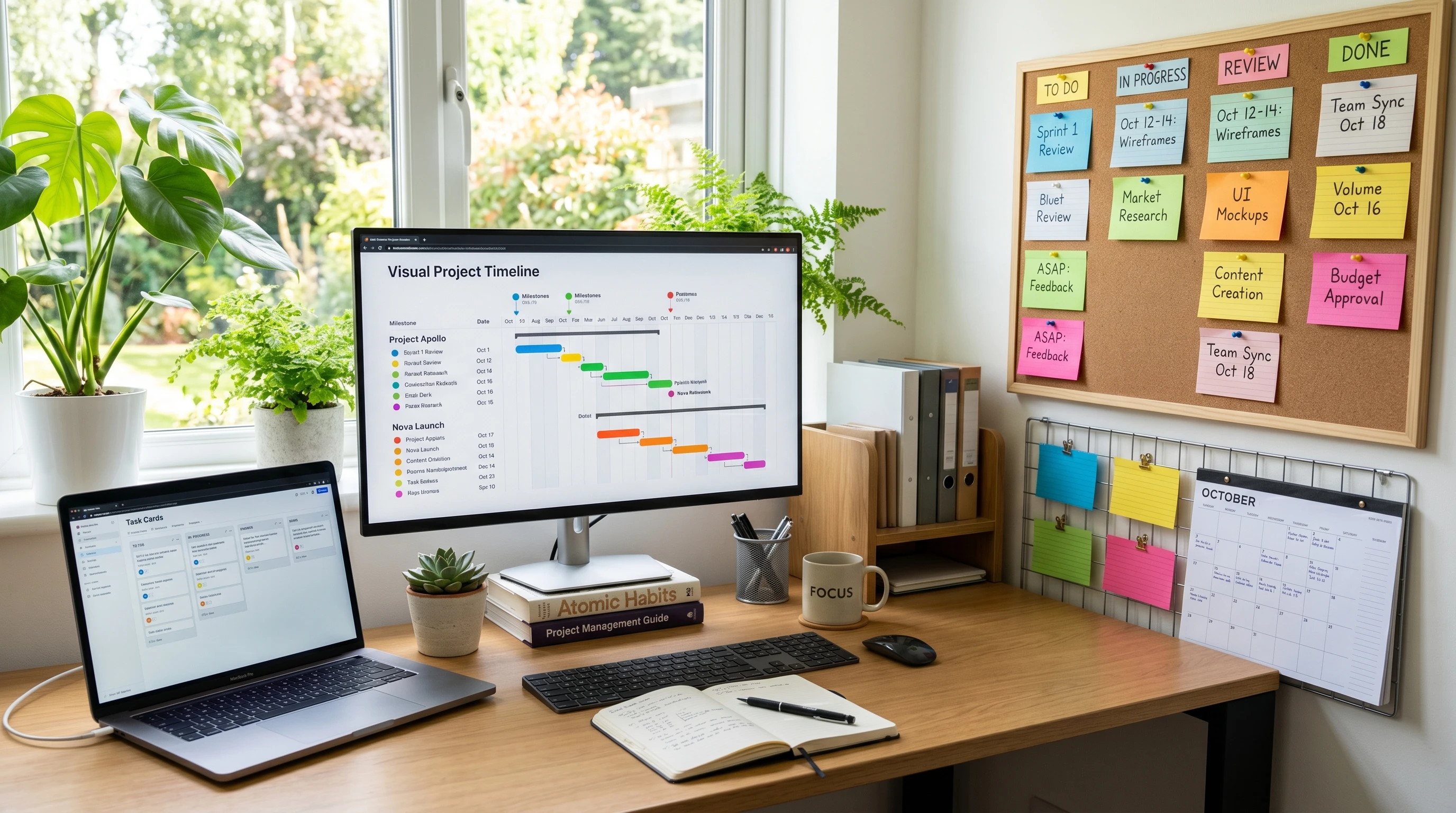
Why Balancing Quality and Quantity Matters
Handling several projects at once is pretty common in many workplaces now, especially with remote teams and cross functional roles. When every project competes for attention and deadlines, it’s easy to let quality slip for the sake of getting everything done on time, or to get bogged down on one thing and miss something else. I’ve been there, and I’ve learned that a smart balance between speed and standards doesn’t just make your work better. It can also make your work life less stressful, too.
Organizations lose a ton of productivity (and sometimes money!) when projects run over schedule or miss expectations. According to PMI’s Pulse of the Profession, poor project performance can cost companies up to 11% of their investment. That’s why adopting strong project management strategies is a pretty handy way to deliver high quality outcomes without burning out.
Quality isn’t just about perfection. It’s about meeting expectations, staying in line with project goals, and keeping stake holders confident in your results. Quantity has its value, too: the more tasks you finish, the more momentum you gain. Balancing those two, especially with lots of projects spinning at once, can seriously boost your reputation as someone who gets things done and gets them done well.
Starting Off Right: Setting Up Multiple Projects
The very first thing I focus on is clear project setup. Before you jump into tasks, taking the time to define objectives, expected deliverables, and key milestones for each project makes everything else run smoother. Creating a simple project overview or roadmap for each project helps you spot possible overlaps early, so you’re not surprised later on when two deadlines land on the same week.
- Set clear goals: Write down what “success” looks like for each project, in plain terms that make sense to you and your team.
- Break down deliverables: Split big outcomes into bite sized tasks. This makes scheduling and prioritizing a whole lot easier.
- Map out dependencies: Identify steps that rely on someone else’s input or another project’s progress, and flag them for special attention.
Solid foundations mean fewer panics later in the process, and it really helps when deadlines start to pile up.
Effective Project Prioritization: Deciding What Comes First
One of my go-to managing multiple projects tips is prioritization. Not every task is urgent or high value, even if it feels pressing in the moment. Getting the order right saves headaches and helps maintain quality across the board.
- Assess impact and urgency: List out your active projects and highlight ones that either have the closest deadlines or the most impact on business goals.
- Identify quick wins: Find smaller, less complex tasks that can be knocked out quickly. It’s super motivating and clears space for more involved work.
- Use project management tools: Even a simple Kanban board or shared calendar can help you see your real workload and spot conflicts or crunch periods at a glance.
One method I’ve found useful is the Eisenhower Matrix, a simple tool that divides your work into four blocks: urgent/important, not urgent/important, urgent/not important, and not urgent/not important. It’s worth checking out if you feel overwhelmed and aren’t sure where to put your focus.
Project Management Strategies for Balancing Timelines
Balancing project timelines when you’ve got a mix of priorities can be tricky, but also really rewarding. Here’s how I go about making sure nothing falls between the cracks while still keeping the quality up to snuff.
- Block time realistically: I always estimate a little more time than feels necessary for tasks that are complex or new. A bit of buffer saves me from last minute chaos.
- Schedule regular progress check-ins: Quick reviews, even weekly 10minute standups, help me spot small issues before they turn into big blockers.
- Review and adjust deadlines as you go: There’s no shame in moving a timeline if a project needs more attention to keep standards. Communicating that early builds trust with everyone involved.
It’s also a good idea to resist the urge to multitask constantly. It might feel productive, but abruptly switching contexts can lower both the quality and speed of your work. I batch similar tasks together where I can, so each block of work gets my full attention.
Communication: Keeping Everyone in the Loop
Strong communication is the glue that holds multiple projects together. I’ve learned that keeping updates frequent and honest goes a long way toward smooth project delivery. Here are some ways I use communication to avoid crossed wires or missed expectations:
- Share progress updates: Regular status reports, whether written or in meetings, make sure everyone knows what’s happening without having to ask.
- Clarify priorities with stakeholders: If something has to give, like a feature needs to be cut to meet a launch date, being clear about your reasoning helps avoid surprises.
- Document decisions: I jot down any major changes or new requests in one central place. This keeps me from getting tripped up by forgotten details later down the road.
Clear lines of communication cut down on confusion, help set realistic expectations, and make people more understanding when you mix things up to protect quality.
Staying Organized While Juggling Multiple Projects
Organization is one of those things that sounds boring but totally saves the day when you’re handling a busy slate of projects. Some of my personal favorite organization tips include:
- Create central dashboards: Use one tool as the “source of truth” for tracking tasks, files, and deadlines. For me, a digital project board works wonders.
- Keep a master task list: Having one place for every todo, across all projects, means less chance of forgetting something important.
- Automate what you can: Little hacks, like automatic due date reminders or recurring tasks, free up headspace for the work that really matters.
When you’re managing multiple projects at once, it’s easy for small details to slip—and that’s usually where quality starts to suffer. Having the right system in place makes a big difference.
There are several good tools out there. Platforms like Asana and ClickUp are both solid options depending on your style—Asana tends to be more structured, while ClickUp offers a lot of flexibility and features.
That said, I’ve found that Monday.com strikes a really strong balance. It’s visual, easy to use, and gives you a clear view of what’s happening across all your projects—who’s responsible for what, where things are falling behind, and where bottlenecks are forming. If you’re trying to manage more without sacrificing quality, it’s definitely worth taking a look (they offer a free trial, so you can see if it fits your workflow). For a closer look and to start your free trial click on the Monday.com link.
The right system is the one you actually use. Something that is tried and true and that provides you with all the information you need.
Maintaining Quality Standards Across Projects
No matter how full the calendar gets, cutting corners on quality has a way of causing even more problems. Here’s how I keep standards high without slowing everything down:
- Define “done” for each project: Agree from the start what acceptable quality means, so there’s no confusion over what counts as finished.
- Build in review points: Schedule regular check-ins to review progress, give feedback, and make corrections before the end rush.
- Document best practices: Keep a running list of what works (and what doesn’t) for future reference. Good habits stick the more you practice them.
Sometimes, “good enough” is fine if the priority is speed or minimal functionality. But for high stakes work, I treat each milestone as a mini finish line, checking that quality is on point before moving on.
Common Pitfalls When Managing Multiple Projects, and How to Avoid Them
Through trial and error, I’ve run into a bunch of challenges when balancing quality and quantity across lots of projects. Here are some common issues, and how I handle them:
- Scope creep: When new features or requests get added, I check if they’re really essential right now, or if they can wait. Saying no, politely, keeps things on track.
- Overlapping schedules: I use shared calendars to flag overlapping due dates early. This makes it easier to negotiate priorities before things get overwhelming.
- Burnout risk: It’s tempting to power through everything at once, but I build in downtime and quick breaks to keep myself fresh and focused.
Simply having a plan for these common pitfalls makes managing multiple projects a lot less stressful in the long run.
Advanced Project Management Strategies for Power Users
Once you’re comfortable with the basics, here are a few more advanced project management strategies that can really give you an edge:
Apply agile techniques: Using short work cycles (sprints) and regular retrospectives can speed things up while letting you quality check results throughout the process.
Cross train team members: When you’re running several projects, everyone being able to jump in and help where needed is super useful. Sharing skills across teams helps survive crunch times.
Reflect and iterate: After a heavy project period, I take time to review what went well, what needs work, and tweak my system for the next batch.
Another advanced tip is to use project templates for recurring work. Having a standard format helps keep things consistent, saves setup time, and makes sure nothing falls through the cracks. Setting up simple automations, like routing specific types of requests to the right teammates, can also free up hours each week for more important tasks.
Finally, don’t forget about documenting lessons learned as you go. Keeping a short project diary or end of week summary lets you spot patterns in what slows you down or where quality issues pop up, laying the groundwork for continuous improvement across your projects.
Real-Life Example: A Week in Multi-Project Management
To show how this works in everyday life, here’s how I handled three overlapping projects last quarter:
- Project A (client website redesign): Tight deadline and very high quality expectations. I scheduled extra check-ins with the client and reviewed every deliverable before sending it over.
- Project B (internal tool update): More flexible deadline, but lots of stake holders. Kept regular updates on our team chat and pushed low priority features to the next sprint when time was tight.
- Project C (marketing campaign): Required a fast turnaround, but the main challenge was gathering approvals from different departments. I used a shared online document for feedback, which saved a ton of time over back and forth emails.
By focusing on the highest impact tasks each day (with room for the occasional surprise), I kept everything moving without letting the quality drop. Even when things got busy, having a clear sense of priority let me shift focus as needed, while the systems I built kept each project on track.
In some weeks, I also built in 30minute review blocks on Fridays to clean up stray tasks and map out the following week’s game plan. This last step left me with a clean slate for Mondays—less stressful and way easier to hit the ground running.
Frequently Asked Questions About Managing Multiple Projects
How do you prioritize when everything feels urgent?
Write down every major task and match each one to goals or deadlines. For the truly urgent ones, get those done first. Everything else, try to batch or delegate.
What if your team is overloaded?
Open conversations about workload early, push back on new requests when needed, and ask for more resources or extra time if necessary.
Are there any tools you recommend for balancing quality and quantity?
There isn’t a magic app, but Trello or Asana make it easy to juggle tasks, deadlines, and keep everyone in the loop.
Key Takeaways for Managing Multiple Projects Successfully
Balancing quality and quantity doesn’t happen by accident. With the right mix of effective project prioritization, project management strategies tailored to your workflow, and honest communication across your team, you really can handle multiple projects without losing sight of your goals or your sanity. Practicing these managing multiple projects tips helps create smoother processes, better results, and a lot less last minute scrambling. For more on project management strategies, I recommend checking out resources from the Project Management Institute or browsing actionable guides on Asana’s resource center.
Here’s a little transparency: Our website contains affiliate links. This means if you click and make a purchase, we may receive a small commission. Don’t worry, there’s no extra cost to you. It’s a simple way you can support our mission to bring you quality “Business Planning content.”
Thank you for sharing this insightful article on balancing quality and quantity while managing multiple projects. The topic is very relevant, especially in today’s fast-paced work environment where many professionals are expected to handle several responsibilities at once without sacrificing quality.
I do have a few questions after reading the article. What strategies would you recommend for avoiding burnout when juggling multiple deadlines and priorities at the same time? Also, how can someone determine when focusing on quality becomes too time-consuming and starts affecting overall productivity?
Another interesting point is balancing client expectations with realistic workloads. Do you think using productivity tools and strict scheduling methods is enough, or does successful project management depend more on communication and experience over time?
the article provides valuable insights into staying organized, maintaining standards, and managing time effectively while handling multiple projects. Thank you again for sharing these practical tips and perspectives.
Thanks for the comment.
To avoid burnout it is important not to overschedule. Matching capacity to tasks is important. If there is a need to slow down communication becomes very important. Inform clients that deadlines are not going to be met is very important.
Productivity tools can definitely help. Care needs to be taken not to over schedule based on capacity. communication is always a great thing. Staying in touch with clients will insure that there are no surprises. Experience is a great teacher.
Managing multiple projects sounds simple until deadlines start stacking on top of each other. I liked the point about quality not meaning perfection, because a lot of people waste time polishing small details while bigger priorities start slipping. How do you personally decide when a project is “good enough” to move forward without overworking it? And have you noticed certain types of projects creating more burnout than others when handled at the same time?
Thanks for the comment.
Deciding on what project is good enough is based on profitability and good value for the organization. It has to make sense. Projects that are likely to create burnout are those that require lots of detailed analysis.