
Customer segmentation is a big deal when it comes to building effective marketing and sales strategies. Segmenting your audience makes it much easier to personalize offers, sharpen your messaging, and deliver a better experience for different types of customers. Even though it sounds pretty straight forward, there are plenty of common mistakes that can throw you off track and waste valuable time and resources. If you want to get the most out of your customer segmentation, there are a few best practices and key strategies for success that are worth knowing about. Here’s my breakdown of the mistakes you’ll want to watch out for, along with some tips on how to segment customers effectively.
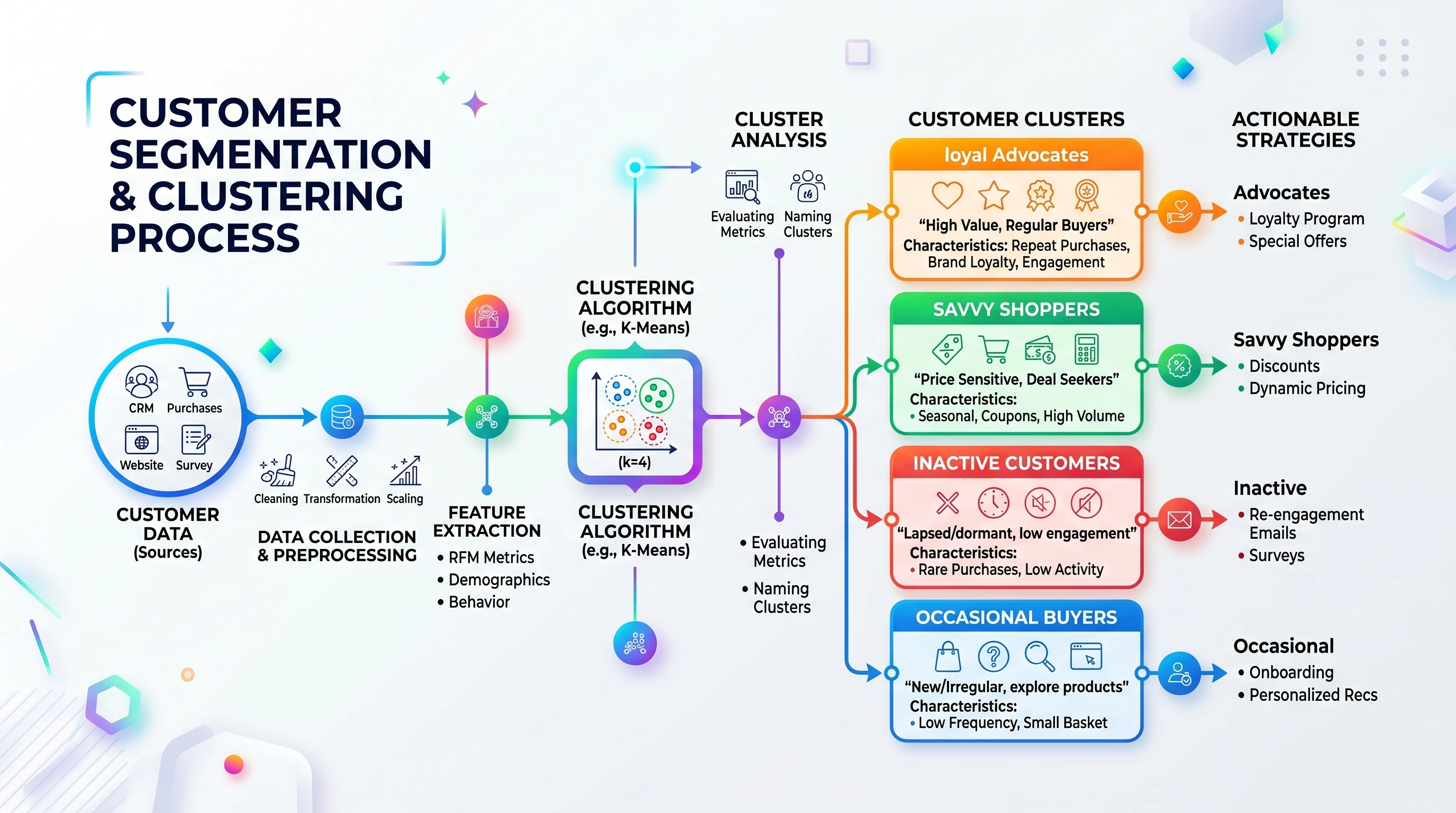
Why Customer Segmentation Matters
Customer segmentation has become a core part of marketing for both startups and big brands. It’s not just about splitting your audience into groups for the sake of doing it. Doing this right gives you a clear way to focus on high-value groups, build better loyalty, and improve your return on investment (ROI).
I see a lot of businesses treating segmentation like just a box to tick, but when done properly, it’s a pretty handy way to speak directly to specific groups, solve their problems, and deliver real value. This is one of the top customer segmentation best practices: segment with real goals in mind, whether that’s for product development, upselling, or retention strategies.
Common Mistakes To Avoid In Customer Segmentation
If you’re eager to start segmenting, here are the common pitfalls in customer segmentation that can trip you up. Steering clear of these issues will save you from a lot of headaches down the line.
- Going With Gut Feeling, Not Data: Guessing who your main groups are instead of using real data almost always ends in unhelpful segments. Back up your choices with customer data, purchase histories, surveys, and behavior tracking.
- Making Segments Too Narrow or Too Broad: Chopping up your customer base into tiny, hyper specific segments or keeping groups so general that they’re meaningless won’t do you any favors. Look for balance: segments should be practical, identifiable, and worthy of different approaches.
- Ignoring Changes Over Time: Customers aren’t static. If you only segment once and never review, you’ll end up marketing to outdated groups. Revisiting segments each quarter or as your market switches up helps keep things relevant.
- Failing to Define Clear Goals: Segmenting customers without a clear idea of what you want to achieve isn’t helpful. Start by setting specific objectives, like driving engagement or increasing life time value for each group.
- Not Combining Enough Data Sources: Using just one type of data (like demographics) limits what you can do. Layer in buying behavior, website activity, support tickets, and more. This richer view leads to smarter segments.
- Over Complicating the System: Some try to track every customer trait and interaction. Complex segmentation models are tough to maintain and rarely offer more value than simple, actionable groupings.
- Not Matching Up Teams: Marketing, sales, and customer support all need to use segmentation in similar ways. If each department is working with a different definition, the customer experience takes a hit.
Getting Started With Customer Segmentation: The Basics
Learning how to segment customers effectively means starting with the basics and adding complexity as you grow. Here’s the approach I often recommend to small business owners or anyone just getting started:
- Start Simple: Basic demographic segments like age, gender, location, or business size gives you a foundation. From there, you can layer more detail.
- Add Behavioral Data: Look at purchase history, website actions, or email engagement. People’s actions often say more than basic profile data.
- Survey and Feedback: Ask for direct input with quick surveys, review forms, or feedback loops. This will help you understand attitudes, needs, and motivations better.
- Track Results Regularly: Run tests and check your key metrics—open rates, conversion, repeat purchases—to see if your segments are actually paying off.
- Adjust As Needed: Don’t be afraid to merge segments that overlap or split up groups that start behaving very differently as you learn what works.
Practical Tips: How to Segment Customers Effectively
If you’re looking for customer segmentation strategies for success, here are some practical steps that work well for businesses of any size:
- Use Multiple Data Sources: Mix customer profiles, website interactions, POS data, social engagement, and support logs for a full picture.
- Segment For Action: Make sure every segment is actionable. If you can’t think of a way to market or serve that group differently, rethink the segment.
- Keep Segments Manageable: Too many segments can turn into chaos. Three to six is a solid starting point for most businesses. Go deeper only when you need specialized approaches.
- Personalize the Experience: Use segments to send relevant offers, suggest useful content, or tweak product recommendations. Customers notice when you cater to their interests.
- Revisit and Refresh: Mark your calendar to review your segments every few months. Customer needs and habits change, so your groupings should too.
Why Small Businesses Struggle With Segmentation
One of the biggest segmentation mistakes small businesses make is keeping customer information scattered across spreadsheets, emails, and notes. A CRM system like Pipedrive can help organize leads and customers into clear categories, making it much easier to track behaviors, personalize communication, and identify which customer groups are most profitable.
I’ve found that using a CRM system like Pipedrive can make customer segmentation far more manageable for small businesses. It allows you to organize contacts by industry, buying stage, interests, or activity history, helping you deliver more targeted communication and improve follow-up. If you’re still managing customer data manually, it may be worth exploring Pipedrive’s free trial to see how much easier segmentation and customer tracking can become. For more information and to start a free trial that will show you how Pipedrive could be a great help just click the Pipedrive link.
Challenges That Often Get Overlooked
Even with good intentions, it’s easy to run into challenges you didn’t expect. Here’s what I see catch people by surprise:
- Data Quality Issues: Poorly maintained customer lists, missing info, or duplicate accounts make for unreliable segments. Cleaning your data is boring but super important for accuracy.
- Tech Limitations: Sometimes, tools or CRMs are too basic. Other times, they’re too complicated. Make sure your system lets you actually use your segments, not just create them.
- Staff Buy In: Everyone on your team should be clear about your segmentation approach. Training or workshops help folks use segments in a way that’s consistent and effective.
- Measuring The Impact: Setting up clear metrics helps prove to your team (and yourself) that customer segmentation brings value. Watch for uplifts in open rates, conversions, or retention in the targeted groups.
Data Quality
When your data isn’t well organized, segmenting is like shooting in the dark. Missing email addresses, outdated purchase info, or old contact data leads to messages never reaching the right people. This is why some of the best strategies for segmentation always include routine data cleanup. Taking a few hours each quarter to tidy your data base pays off in better targeting and fewer headaches for your whole crew.
Technology Limitations
For anyone working with older CRMs or spreadsheets, building and using customer segments can feel a bit overwhelming. Modern marketing automation platforms simplify this by allowing dynamic lists, custom tags, and scheduling for segment specific campaigns. Investing in tech that fits your size and goals saves time and lets your team focus more on creative work.
Staff Training and Buy In
If your team doesn’t understand how segmentation works, the strategies you put in place don’t get used properly. A quick training session showing how to build and use customer groups makes a huge difference. People should know not just why segments exist, but also how to apply them in real campaigns, outreach, and reports.
Simplified Real World Examples For Context
Seeing how segmentation works in everyday situations can help these principles stick. Here are a few easy examples that illustrate how segmentation works across different business types:
- Example: Ecommerce Shop: Rather than targeting all shoppers with the same sale, segmenting by past purchase (like frequent buyers or lapsed customers) makes follow ups more personal and helps boost sales. For instance, an eye-catching “We Miss You” campaign for customers who haven’t shopped in six months is far more effective than a generic newsletter.
- Example: SaaS Company: Segment users by account activity. Reach out to power users for testimonials or beta features. For those going inactive, gentle reminders or targeted offers get them back on track. Imagine automated emails sent to users who haven’t logged in recently, offering quick tips to help them get value from your software.
- Example: Local Service Business: Separate new from returning customers. Offer discounts to fresh faces, and loyalty perks to frequent ones. Segmenting by how people found you (referral, web search, social media) lets you fine-tune your marketing spend. For example, if most new customers are from social platforms, you can put more effort into those channels while crafting special referral offers for customers sent by word of mouth.
Frequently Asked Questions
Here are a few questions that tend to pop up about customer segmentation:
Question: How often should I review my customer segments?
Answer: Every three to six months is a good rhythm, but whenever you notice big switches in customer behavior, like a new product launch, seasonal change, or rapid growth, it’s worth reviewing sooner to keep things on track.
Question: Can small businesses use customer segmentation, or is it only for big companies?
Answer: Segmentation actually helps small businesses get better results without spending a ton of money. Even simple segments, like new versus repeat customers, bring quick wins for local shops and solopreneurs.
Question: What’s the best data source to use for segmentation?
Answer: There isn’t a single “best.” Mix demographic, behavioral, and feedback data for a fuller picture. Starting with what you have—usually a customer list and purchase data—is totally fine, so no need for fancy tools right away.
Final Thoughts
Doing customer segmentation right means you’ll reach customers with messages and offers that actually matter. Avoiding the common pitfalls in customer segmentation and following a few customer segmentation best practices helps make the most out of your marketing efforts. Staying practical, updating your segments regularly, and involving your whole team lead to a smarter, more effective business strategy. If you want to try some new customer segmentation strategies for success or just want to figure out how to segment customers effectively, start by giving one of these tips a try. Your marketing and your customers will be better for it.
In today’s market, being able to step up your approach with smart segmentation gives you a big advantage. You’ll be able to spot what your audience really needs and track down opportunities you might otherwise miss. Remember: good segmentation isn’t about splitting hairs, but about making your outreach more meaningful and making life easier for your business and your customers alike. With a little bit of regular review and a solid focus on actionable data, your segments will stay relevant—and your bottom line will reflect the difference.
Here’s a little transparency: Our website contains affiliate links. This means if you click and make a purchase, we may receive a small commission. Don’t worry, there’s no extra cost to you. It’s a simple way you can support our mission to bring you quality “Business Planning content.”
this insightful article about common mistakes in customer segmentation. I found the topic very important because many businesses collect large amounts of customer data but still struggle to divide their audience effectively and create personalized marketing strategies that truly work.
I do have a few questions after reading the article. What are the most common signs that a business is using ineffective or overly broad customer segments? Also, how often should companies review and update their customer segmentation strategies to keep up with changing customer behavior and market trends?
Another question I had is whether small businesses with limited data can still create effective customer segments without advanced analytics tools. Do you think understanding customer behavior and communication habits is more valuable than relying only on demographic information?
Overall, the article raises valuable points about avoiding assumptions, improving targeting strategies, and using customer data more effectively to improve business performance and customer relationships. Thank you again for sharing these practical insights and recommendations.
Thanks for the comment.
Usually if a business is using very broad characteristics to segment it will show in the numbers. Revenue numbers will not change very much.
Small businesses can still effectively segment. Start with the known basics and sharpen things by creating surveys or just communicating with customers so that you can fine tune the segments. Understanding customer behavior and communication are things that could be added to segments to improve accuracy.
Any marketer should learn how to do customer segmentation properly in order to effectively target the right audience according to what you are selling. Luckily marketers don’t need to do this manually anymore with all the wonderful software out there that make the process so much simpler.
I try to simply thing sometimes by making groups of different ages, but I think it needs to go deeper than that. Looking at past purchases also helps a lot to see what your customers are looking for and one should be able to separate them into different groups according to what they bought.
What is your favorite software program to get this done in the least complicated method possible?
Thanks for the comment.
HubSpot does a great job in segmenting. It creates customer segments based on demographics, behavior, purchases, website activity, and engagement. Hope this helps.