
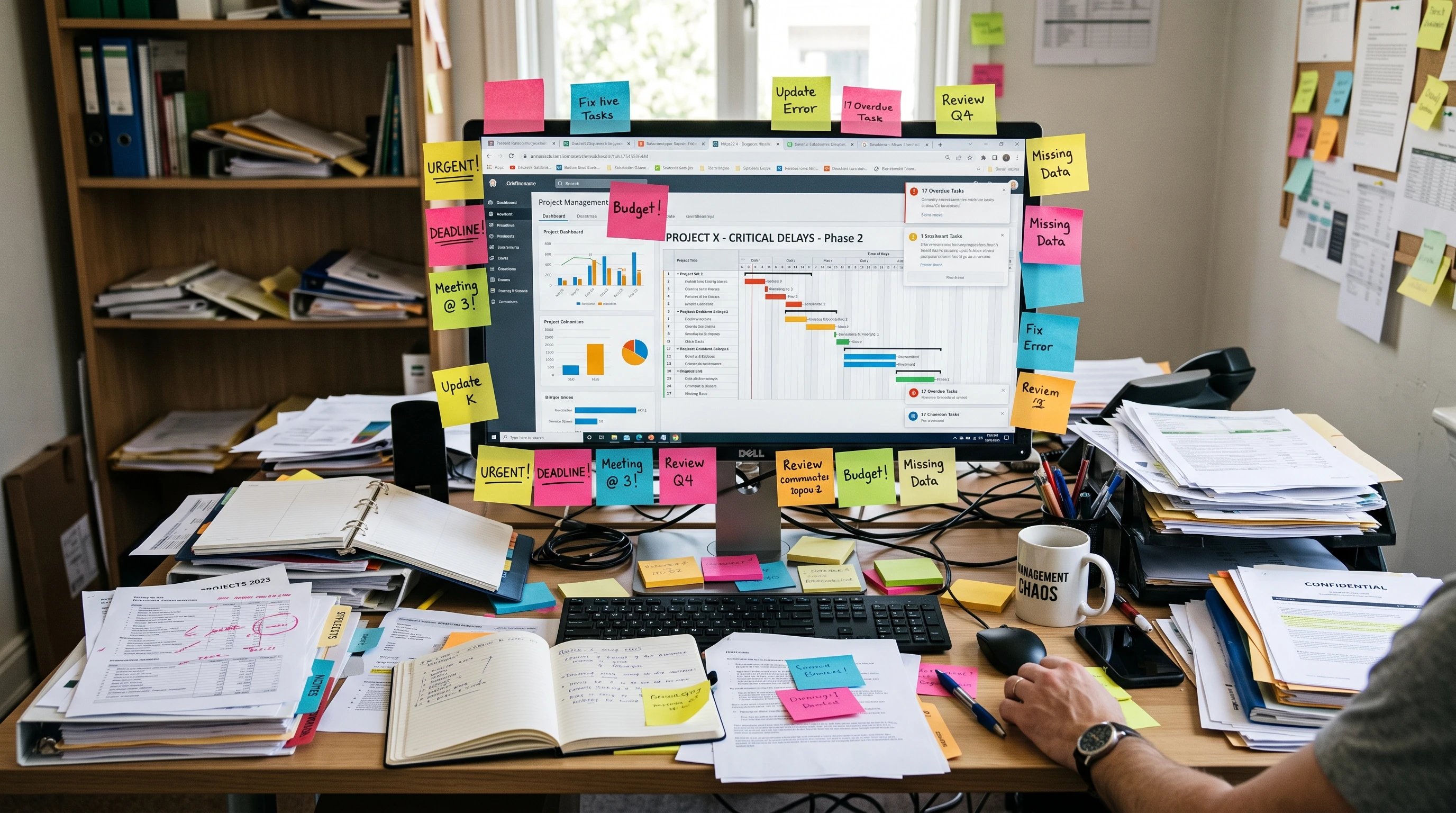
Staying on top of things as a small business owner can get overwhelming. When projects keep running late, team members get confused about priorities, or budgets spiral out of control, something needs to change. That “something” is often project management. Spotting the signs that your business could use better project management makes a big difference in how smoothly things operate. I’m going to walk through the red flags that pop up and what you can actually do to make project management work better for you and your team.
Why Small Businesses Need Project Management
Project management isn’t just for big companies with fancy departments. For small businesses, it helps keep goals, deadlines, and resources in line. Without a good approach to managing projects, it’s pretty easy to feel stretched too thin or lose track of what’s supposed to come next. A recent study from PMI shows that even startups see clear benefits when using simple project management strategies. Many businesses see improved team communication and smoother workflows almost right away.
Good project management keeps your team moving in sync and helps you avoid sinking time (and money) into activities that don’t add value. When things get busy, it acts like the roadmap that points everyone in the right direction. It’s not about making things up tight; it’s about giving your small business the structure and clarity needed to grow.
Clear Signs You Need Better Project Management
I’ve noticed over the years that most signs of project management trouble show up in pretty recognizable patterns. If these situations sound familiar, it might be time to shake up your approach:
- Missed Deadlines: Projects that always run behind or tasks that don’t seem to get checked off on time are a signal things aren’t tracking well.
- Poor Team Communication: If your team keeps needing to “touch base” just to find out what’s going on, you’re likely lacking clear processes.
- Budget Overruns: Costs that surprise you or creep up unexpectedly often point to a lack of planning and oversight.
- Confused Priorities: When employees aren’t sure which tasks to tackle first, or project goals aren’t clear, it causes a ripple of unproductivity.
- Scope Creep: Projects that keep growing past their original plans without any checks in place usually slow down progress overall.
- Overwhelmed Employees: If your team is on the verge of burnout or is regularly working overtime to keep up, it’s a big signal.
- Quality Issues: Missed details, repeated mistakes, or constant do overs usually happen when processes aren’t laid out clearly.
Understanding How Project Management Works for Small Businesses
Small businesses often think project management is an expensive or overly complicated solution, but that isn’t the case. It’s really just a way of organizing projects so that goals, people, and resources are aligned. You don’t need complex software (unless you want it), sometimes even a shared calendar or to do list can work wonders.
By setting out simple steps for planning, tracking, and reviewing projects, you create a play book for success. I always recommend breaking projects into bite sized pieces, setting up frequent check ins, and keeping tasks visible to every one involved. Even a basic system boosts how smoothly projects run and how motivated your team feels about their work.
Quick Ways to Spot A Project Management Breakdown
Catching problems early is extremely important. Here are key warning signs that suggest your current system isn’t working well enough:
- People Are Always Putting Out Fires: Reacting to problems all the time instead of being proactive drains energy and slows the team down.
- Duplicate Efforts: If team members accidentally work on the same thing twice or miss steps altogether, that’s a big red flag.
- No Central Place for Project Info: Struggling to find project details (like deadlines or who’s doing what), leads to confusion and mistakes.
- Slow Customer Response Time: Projects impacting your ability to deliver quickly to customers can mean that behind the scenes workflows need help.
- Lack of Proper Feedback Loops: Projects wrap up, but lessons learned get lost. That means new projects often repeat old mistakes.
Recognizing these patterns early helps stop problems from becoming even bigger headaches.
Common Roadblocks That Hold Small Businesses Back
Plenty of small business owners aren’t sure why their project management isn’t working. Here are a few reasons good intentions can fall apart:
- No Clear Leadership Role: Sometimes, nobody is really in charge of a project, so things just drift along with no clear owner.
- Poor Task Delegation: If jobs are assigned to who ever is free instead of who’s best suited, you lose efficiency and accuracy.
- Unrealistic Plans: Overly ambitious time lines or budgets set you up for stress and let downs from day one.
- Random Processes: If everyone manages their work differently, good luck getting all those moving parts to work together at the finish line.
By naming these roadblocks, it’s easier to fix them. Better project management doesn’t require hiring extra people or investing in fancy technology, it’s about improving systems and habits.
When It’s Time for a Better Project Management System
Monday.com can help small businesses overcome common project management problems by bringing everything into one organized platform. Its visual project tracking, task assignments, and deadline management make it easier to keep projects on schedule and everyone accountable. Workflow automation reduces repetitive tasks, while dashboards provide a clear picture of project progress. Centralized communication also helps keep everyone informed and working together.
f missed deadlines, poor communication, or disorganized projects are slowing your business down, take a closer look at Monday.com and see how it can help you keep your projects organized, your team connected, and your business moving forward. With a 14-day free trial, you can explore its features and see whether it’s a good fit for your business before making a commitment.
Great Features of Simple Project Management Tools
When you’re ready to tighten things up, you don’t have to start from scratch. There are project management tools built for small businesses that make things a lot smoother. Here’s what I keep in mind when I’m shopping for or recommending one:
- Task Boards and Lists: Easy to use dashboards show what’s in progress, what’s up next, and what needs review. Tools like Trello or Asana do this really well.
- Automatic Reminders: Built in reminders reduce the need for endless “just checking in” emails.
- Collaboration Features: File sharing, messaging, and tagging teammates makes it easier to keep everyone in the loop.
- Simple Reporting: Quick visual summaries of deadlines, budgets, and completed tasks help you spot trouble before it hits.
Picking the tool that matches your business style matters more than finding the fanciest features. Simple options can be more effective than complicated ones for small, busy teams.
Advanced Tips to Take Your Project Management Up a Notch
Once you’ve handled the basics, adding some advanced techniques keeps projects humming along even as your business grows:
Set SMART Goals: Make your goals Specific, Measurable, Achievable, Relevant, and Time Bound. This breaks big ideas into small, real steps that are easier to assign and finish.
Hold Stand Up Meetings: Short, focused daily check ins keep projects moving without pulling everyone into never ending conversations. Stand ups deliver quick clarity and beat long, drawn out status meetings any day.
Document Processes: Creating how to guides for common tasks saves time when you bring on new team members and makes projects run more predictably. These guides become your “cheat sheets” for repeatable excellence.
Review and Adjust: After projects finish, reviewing what went well and what could be improved keeps learning in the mix and your methods current. Bring everyone together and talk honestly about wins and misses. It sets the stage for steady improvement.
On top of that, don’t under estimate celebrating the small wins. Team morale gets a boost when you shine a light on completed mile stones or smart problem solving. Even a little recognition helps keep the project energy high.
Practical Ways Project Management Helps Every Day
I’ve seen small businesses unlock more time and revenue just by making project management a priority. For example, a local design studio I worked with was struggling with late client projects. After they started using a simple project tracker, their delivery times improved, and client satisfaction went up. A coffee shop owner I know started keeping regular check ins and lists of to dos for her team, and she says it totally cut down on confusion during busy hours.
- Boosts Accountability: When everyone knows who’s doing what and by when, there’s less finger pointing if something goes off track.
- Improves Transparency: Clear plans mean fewer surprises for business owners and their teams.
- Makes Scaling Up Easier: When things get busier, new people or tasks can plug into a defined workflow with much less stress.
Project management breaks big challenges into manageable pieces, which is exactly what most small business teams need. Plus, you’ll keep clients and customers happier by getting work done on time and keeping them in the loop. That reliability is a big part of what helps word of mouth and referrals spread.
Frequently Asked Questions
These are some of the most common questions about project management for small businesses:
Question: Do I need fancy software to improve project management?
Answer: Not at all. You can start small with a shared Google Doc, a whiteboard, or a physical planner. Upgrade as your projects grow more complex or your team expands.
Question: Won’t project management slow us down?
Answer: Actually, it usually speeds things up by reducing confusion and making it easier for everyone to stay focused on what’s needed next.
Question: How do I get buy in from my team?
Answer: People get on board when they see that project management takes headaches off their plate. Start small and ask for feedback, and join forces to find what works best for everyone.
Question: What’s the most important thing to fix first?
Answer: Tackling communication problems first gets teams working together better, which helps with every other part of project management.
Getting Started with Better Project Management
Making project management part of your small business routine doesn’t have to be dramatic. Stick to a few main basics: write down your goals, break projects into smaller pieces, assign tasks clearly, and keep every one updated. Using an easy to learn tool or just tighter habits can make your whole workflow faster and a lot more reliable.
Building these habits early saves time and hassle when the stakes go up or your workload increases. The good news is you’ll see improvements almost immediately; less stress, more clarity, and happier clients or customers. If you’re seeing any of the red flags above, it’s definitely worth reviewing how you’re managing projects and testing out new ways to organize your business for real results.
Here’s a little transparency: Our website contains affiliate links. This means if you click and make a purchase, we may receive a small commission. Don’t worry, there’s no extra cost to you. It’s a simple way you can support our mission to bring you quality “Business Planning content.”