Starting a small business comes with all sorts of surprises, and figuring out how to protect your brand with trademarks and copyrights is one area that can trip up a lot of entrepreneurs. These forms of intellectual property might sound like legal jargon, but they’re actually ver useful tools that help you stand out and keep your work safe from copy cats. Here, I’m breaking down exactly how trademarks and copyrights work, why they matter for small businesses, and a few smart ways you can use them to your benefit.
Why Trademarks and Copyrights Matter for Small Businesses
Trademarks and copyrights aren’t just for big companies. Even if you’re running a bakery out of your home kitchen or launching a handmade jewelry shop online, these protections can be crucial for building your business and protecting your ideas. People connect with businesses through names, logos, catchy slogans, and creative content, and that’s where intellectual property protection really shines.
According to the United States Patent and Trademark Office (USPTO), thousands of small businesses apply for trademarks each year, and the demand keeps growing as ecommerce expands. With so many brands competing online, locking in your unique identity is more important than ever.
The basic idea with both trademarks and copyrights is to give you control over the things that make your business unique. Whether that’s your brand logo or the art for your website, you want to keep them yours. Trademarks mostly cover your business name, logo, or slogan, while copyright shields your original creative work like website copy, photos, designs, or music you use in your ads.
Having legal control over your brand identity can also give your business an added sense of trustworthiness to customers. When people see you’ve officially claimed your logo or slogan, they’re more likely to recognize you as a legitimate business, not just a hobbyist. Over time, this kind of recognition can help your business stand out in a crowded marketplace, making it easier to attract and keep customers coming back.
What’s the Difference Between a Trademark and a Copyright?
It’s easy to mix up trademarks and copyrights since both are about protecting your stuff, but they actually cover separate areas. Here’s a simple breakdown I use when explaining them to new business owners:
- Trademarks: These protect things like your business name, logo, slogans, and even unique product packaging from being used by competitors in a way that confuses your customers.
- Copyrights: Copyright mainly covers original works of authorship, think photos, blog posts, artwork, marketing videos, or jingles. Basically, any creative work that’s written down, recorded, or otherwise fixed in some format can be copyrighted.
So if you come up with a clever name for your coffee shop and design a cool logo, that’s in trademark territory. If you write a funny blog post or snap a one of a kind photo for your website, copyright is what keeps others from copying or using it without your OK.
Trademarks are all about customer recognition. If someone else in your field uses a name or logo that’s too close to yours, they could easily confuse customers or dilute the impact of your brand. Copyright, on the other hand, is about protecting your creative output from being reused, reposted, or sold by someone else.
Smart Steps to Protect Trademarks and Copyrights
Getting set up with legal protection doesn’t have to be complicated. Here are some practical steps that have worked well for me and plenty of other small business owners I know:
- Do a Search First: Before you start using a name or logo, check databases like the USPTO’s trademark database to make sure no one else is already using it in your field. This also avoids running into legal claims down the road.
- Register Your Trademark: Once you have a unique name or logo, you can file a trademark application through the USPTO or your local intellectual property office if you’re outside the US. While trademark rights begin as soon as you use the mark, registration gives you stronger, more enforceable protection.
- Copyright Your Original Works: If you generate original content such as photos, articles, logos, or illustrations, copyright is automatically yours the moment it exists. But registering with the US Copyright Office gives you extra rights if someone copies your work (especially if you want to take legal action).
- Keep Good Records: Document your creative process, including when you designed your logo or wrote your web content. This comes in handy for sorting out disputes if someone claims you copied their work.
- Monitor for Infringement: Every so often, do a sweep online and on social media to see if anyone is using your brand or copying your content. Quick action can stop small problems from getting bigger.
It’s pretty wild how quickly someone can grab your content or try to piggy back on your brand these days. Taking these steps early pays off. You’ll have more peace of mind and more control over your business image.
If handling everything by yourself feels overwhelming, there are many affordable professionals and online services that make it easy to get your paperwork in order. Sometimes spending a little time upfront saves you from bigger headaches later on.
Everyday Questions Small Business Owners Ask About Trademarks and Copyrights
I get a lot of questions from other small business owners who are just starting out. Here are some of the most common ones I hear, along with real world advice I’ve given.
Question: What happens if someone uses my logo or my blog post without permission?
Answer: If someone copies your logo or creative work, your first move should be to reach out and ask them to stop (a simple cease and desist letter often does the trick). If they don’t comply and you have a registered trademark or copyright, you’re in a stronger position to take further action. Keeping it friendly but firm can usually deal with most issues.
Question: Can I trademark my business idea?
Answer: A business idea itself can’t be trademarked. The law only protects tangible things like names, logos, or creative works. If you want to keep your idea under wraps, using non disclosure agreements (NDAs) with partners or employees is your best bet.
Question: What if I sell products internationally?
Answer: Trademark and copyright laws are different country by country. If you know you’ll be selling in other countries, look into applying for protection there, too. The “Madrid Protocol” allows for international trademark registration, and copyright treaties like the Berne Convention offer some cross border protection, but local registration is often needed.
When Should Small Businesses Prioritize Trademarks and Copyrights?
Figuring out when to take action on trademarks and copyrights depends on what kind of business you’re building. Here’s what I usually recommend:
- If your business is centered around a catchy brand, a unique look, or creative products, applying for a trademark should be at the top of your list right away.
- If you’re investing a lot in unique content (photos, video, blog posts), it’s worth registering your big ticket pieces for copyright.
- For side hustles or early experiments, making sure you have basic “common law” rights (by simply using your brand in commerce first) often covers what you need until you start to grow.
I started with a locally focused brand and only registered my trademarks when the business picked up steam. That approach can save you money at the beginning, but don’t put it off forever if you see your brand starting to get some attention.
Timing matters. If you plan to approach investors, pitch your business at events, or launch large marketing campaigns, sorting out your trademarks and copyrights before you hit those milestones can help prevent last minute hiccups and protect your hard-earned reputation.
Common Challenges and How to Handle Them
I’ve run into a couple of the usual roadblocks myself, and I’ve seen friends and other small business owners face the same issues. Here’s how I usually handle them:
- Conflicts with Existing Brands: If your name or logo is too similar to someone else’s, you might get a cease and desist letter or a rejection from the trademark office. To avoid this, always do a thorough search, and don’t be afraid to tweak your brand if needed.
- Budget Concerns: Filing fees can add up, especially if you want protection in multiple countries. Focusing first on your main logo or most visible brand element makes the process more manageable.
- Copycats on Social Media: Sometimes people will just straight up steal your content and repost it. Most platforms (like Instagram and Facebook) have forms for reporting copyright violations, and it’s usually a fast way to get your content taken down.
These bumps in the road are a normal part of running any business, especially one that depends on its reputation and creativity. Practicing a little, staying sharp and checking up on your intellectual property can stop small problems before they grow bigger. Make a habit of checking for similar brands in your field now and then, and stay current with your paperwork to avoid future headaches.
Real World Trademarks and Copyrights in Practice
Keeping it practical, here are a few ways I’ve seen small businesses protect and make the most of their intellectual property:
- Handmade Goods: If you sell custom jewelry or crafts on Etsy or at markets, a distinctive logo or brand name makes you recognizable. Registering a trademark helps you keep other sellers from copying your style or name.
- Food Trucks & Cafés: Creative menus, unique food names, or branded packaging are all strong trademark candidates. A copyright on your original recipes or photography can also give a boost to your brand story.
- Online Influencers & Coaches: If you’re putting out regular blogs, courses, or YouTube videos, copyright law protects your content and helps you build a brand people trust.
There’s plenty of power in being both creative and careful with your business identity. These protections can also make your business more valuable if you ever want to sell it or expand. It’s not just about keeping others from stealing your work; it can also give you bragging rights and help you stand out for customers and partners alike.
Tips for Making the Most of Your Brand and Creative Work
Once you’ve taken care of the basics, here are a few extra steps you can take to keep building your brand and making sure people know it’s truly yours:
Keep Your Logo Fresh: Test your logos and brand colors for versatility. A tweak to your logo could make it more unique and easier to protect.
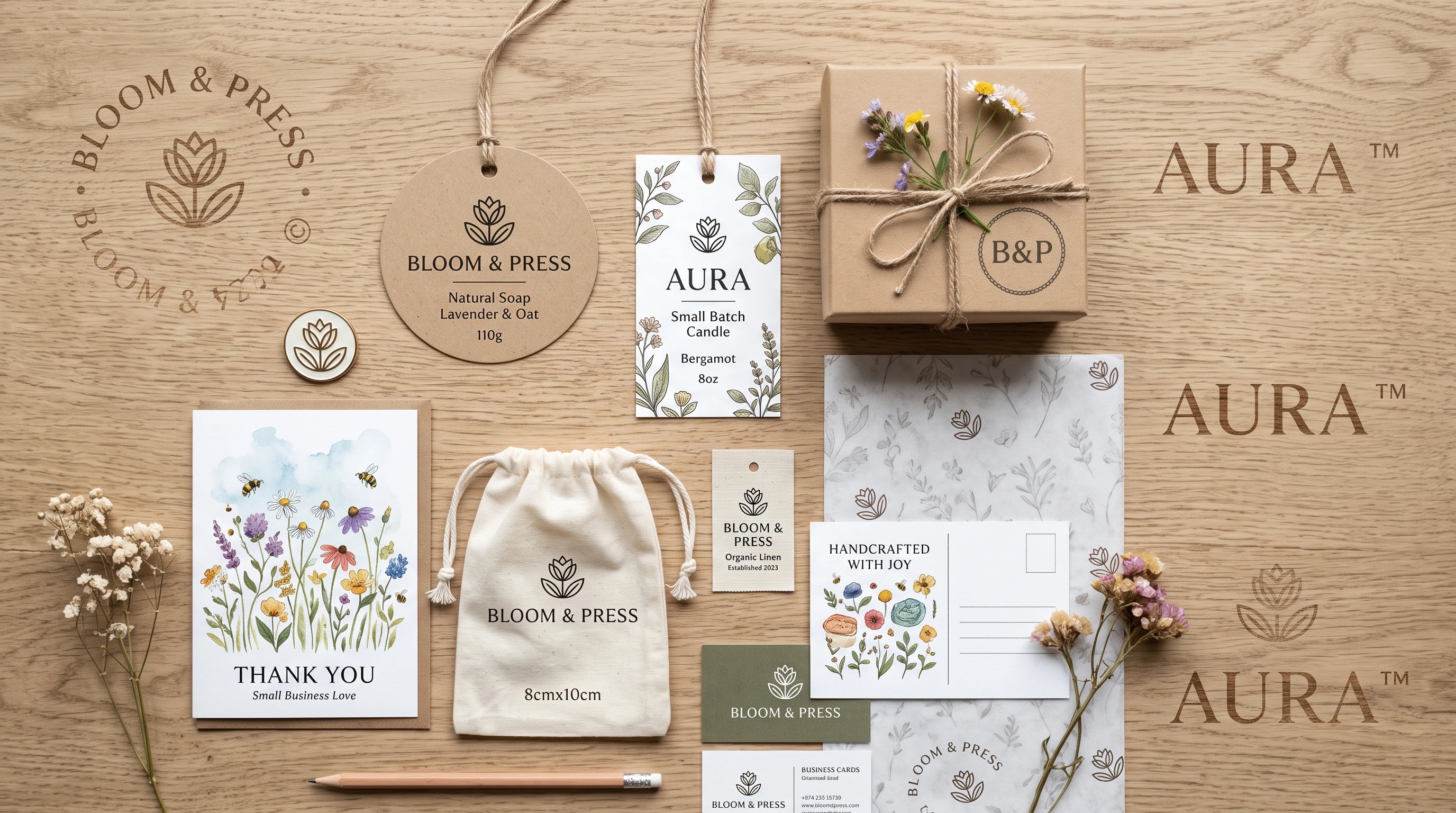
Use the “TM” and “©” Symbols: Even before official registration, these symbols let others know you’re claiming rights to your brand and content. Once your trademark is registered, swap “TM” for the “®” symbol.
Set Up Google Alerts: This free tool will notify you if your business name, product, or even parts of your blog are popping up elsewhere online.
Educate Your Team: If you have employees or freelancers, make sure they understand what content or branding you own and how to handle your business IP responsibly.
Consider Bundling Protections: For brands with a lot of different content types, keeping a spreadsheet or organized folder of all your trademarks, copyright registrations, and key dates can keep you from losing track, especially as your business grows.
Key Takeaways for Small Business Owners
Protecting your trademarks and copyrights can feel overwhelming, but the rewards are really worth it. These tools help you keep your hard work from being copied and make it easier for customers to spot your products or services. By taking a few practical steps, like searching databases, registering your rights, and staying alert for problems, you’ll set yourself up for smoother growth and a stronger business reputation. Whether you’re just getting started or thinking about scaling, these protections have your back and free you up to focus on what you do best: building your dream business.
If you want to dig into more details, the USPTO website and the US Copyright Office both have beginner friendly resources and guides. There’s no harm in asking questions or getting legal advice if you’re ever unsure. Protecting your creativity is always worth the effort.
Hello there, Aura,
Thank you for laying this out so clearly. Breaking down the practical differences between trademarks and copyrights is helpful for anyone who is now trying to build a legitimate brand from scratch up. I have issues with this as well and would need some help.
The distinction between protecting your business name and logo through trademarks versus safeguarding your written content and photos with copyright is often where entrepreneurs get confused. I’m one of them. Your point about starting with basic common law rights before rushing into expensive multi-country filings is also a very practical advice for side hustles and early-stage ventures. I think it saves people a lot of budget headaches while they are still trying to find their footing.
John