
Understanding the true cost of employee turnover in small businesses can save a lot of headaches and unexpected expenses down the line. Many business owners think of turnover as just the hassle of filling an open role, but there’s a lot more going on behind the scenes. Each time an employee leaves, whether they quit or get let go, the price tag gets bigger than most people expect. Here’s what really goes into those costs, plus some practical tips to help you keep your best people around.
Breaking Down the Real Cost of Employee Turnover
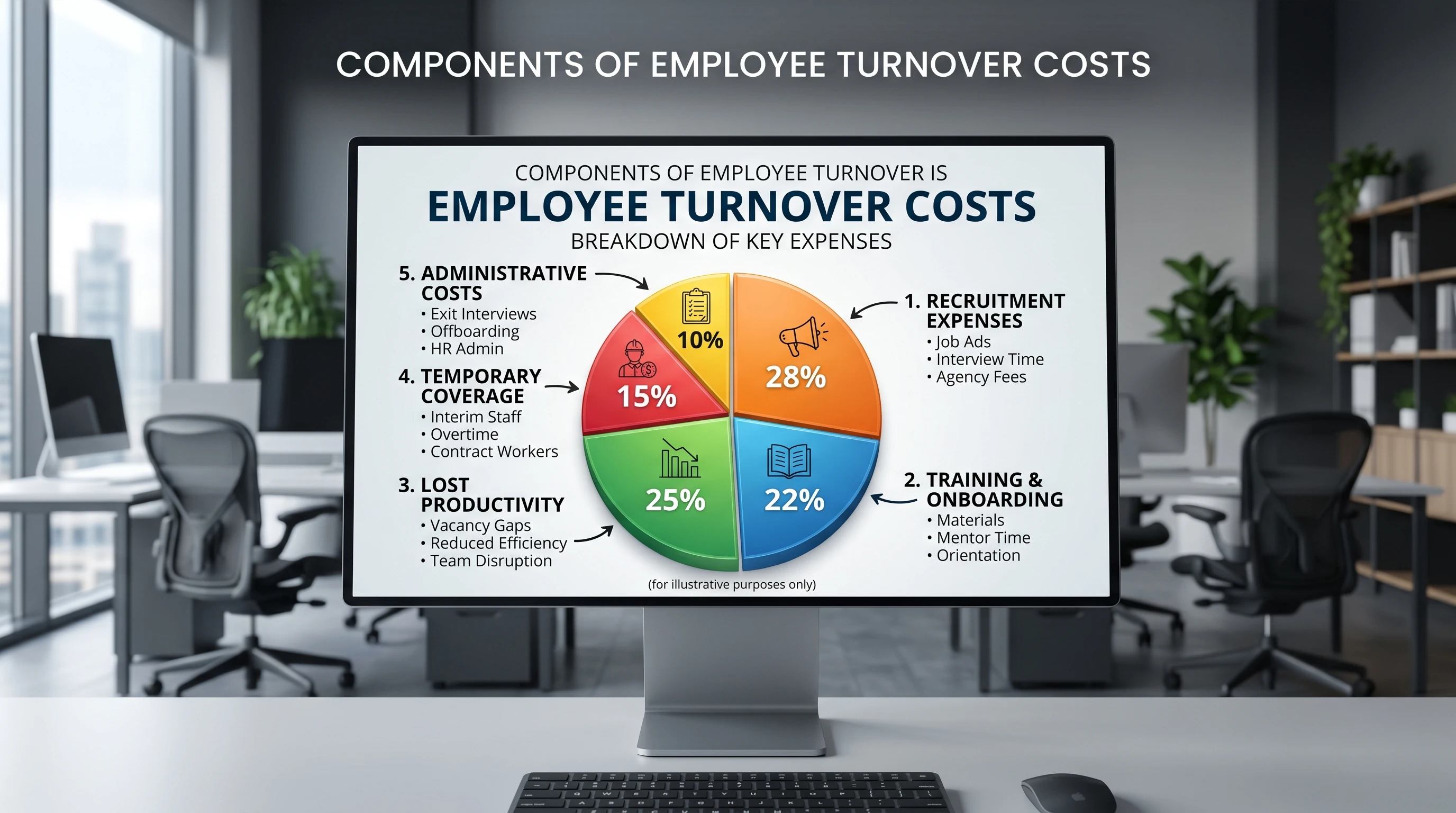
The cost of employee turnover isn’t just about writing a new job ad or spending some time on interviews. There’s the obvious stuff, like recruitment fees, onboarding, and training, but a whole set of hidden costs sneak in too. According to the Society for Human Resource Management (SHRM), filling an average position can cost a business up to half the worker’s annual salary, once you add up everything.
For small businesses, these fees can hit especially hard because there’s less buffer room in the budget. A small team also feels the impact more, since losing even one person can mean bigger work loads and slower service. Here’s a breakdown of where the money goes:
- Recruitment: Posting job ads, paying for recruitment software, or hiring agencies.
- Training: Time and resources spent getting a new hire up to speed, often several weeks or months.
- Lost Productivity: It takes time for a new person to get fully familiar with their duties. Productivity usually drops in the meantime.
- Overtime or Temps: Other employees cover extra shifts, sometimes earning overtime pay or requiring temporary hires.
- Lost Experience: Company knowledge and client relationships may walk out the door, sometimes ending up with competitors.
These costs add up quickly. Let’s say you lose someone who earns $40,000 a year. By the time you’ve recruited, trained, and gotten a new person up to speed, you could be looking at $20,000 or more. That kind of loss not only affects your budget, it can also dent team morale and slow down business growth. If turnover becomes a pattern, your business might even struggle to maintain its reputation with clients who value stability.
Why Employee Retention Matters for Small Businesses
Employee retention feels like a buzz word, but if you run a small business, it’s the difference between a smooth ride and one problem after another. Hanging onto good employees makes your business much more stable. High retention rates build stronger teams, tighter customer relationships, and even a better reputation in your industry or community.
When employees stick around, they develop more specialized knowledge and bring ideas on how to improve your processes. Customers feel more comfortable seeing familiar faces. Plus, long-timers are more likely to really buy into your company’s vision, which makes a big difference in customer service and team morale. The overall environment also becomes friendlier and more productive. A steady team means fewer interruptions for onboarding and quicker adjustments to new projects or market changes.
What Drives Employee Turnover in Small Businesses?
Figuring out why people leave is a huge step toward keeping them longer. Some of the most common reasons for high turnover in small businesses include:
- Poor Onboarding: Rushed or unclear orientations set expectations badly from day one.
- Lack of Growth: Employees who see no road for advancement are more likely to look elsewhere.
- Work Life Imbalance: Small teams sometimes mean unpredictable hours, which can burn people out.
- Poor Communication: Small businesses need open and regular feedback. Without it, people can feel unseen or ignored.
- Uncompetitive Pay or Benefits: Even if you can’t match big business salaries, little things like flexible schedules or added perks can make a job more attractive.
Recognizing these issues gives you a solid starting point for fixing them. It’s not always about matching a competitor’s salary; sometimes it’s about making people feel valued and involved in decisions. In some cases, even adjusting work schedules to offer a little flexibility can create a more attractive place to work.
Calculating Your Own Cost of Employee Turnover
Getting a true sense of how much turnover costs your business takes a bit of math but pays off in smart decision making. Here’s a straight forward way I like to approach it:
- Add up direct costs: Tally up expenses on ads, agency fees, background checks, onboarding, and training materials.
- Factor in lost productivity: Compare output before and after a departure. Usually, a new employee takes a few months to hit full stride.
- Estimate indirect costs: Account for lost team morale, disrupted projects, or even customer loss if you have client facing staff.
- Sum for the year: Multiply by how many staff you typically lose each year.
If those numbers seem high, you’re not alone. This is why shoring up your employee retention strategies now can save a lot of money and headaches later on. You might also want to talk with other business owners or consult professional resources to compare typical figures and find more ways to save.
Best Ways to Reduce Employee Turnover
Cutting down on turnover isn’t about one magic policy. A mix of small, smart moves works a lot better. Here are some of the best ways to reduce employee turnover I’ve seen make a difference for small businesses:
- Focus on Good Onboarding: First impressions count a lot. A thorough, friendly onboarding helps set clear expectations and gets people feeling like part of the team right away.
- Open Up Career Paths: Even in small companies, cross training or offering leadership opportunities can keep things interesting for ambitious employees.
- Offer Flexible Schedules: Flexible start times, remote work, or four day weeks have become more popular and for good reason; they help people stay fresh and balanced.
- Show Appreciation Often: Recognition doesn’t cost a lot, but it’s powerful. Even a quick ‘thank you’ in front of the team makes people feel noticed.
- Listen to Feedback: Asking for staff input on company processes or benefits creates trust and helps spot small issues before they turn into reasons for leaving.
It can be helpful to offer mentorship programs so newcomers feel supported from day one. If you can, try to personalize recognition and development opportunities. These efforts do not have to be expensive, but they show your genuine interest in each employee’s growth.
Top Employee Engagement Practices That Really Work
Employee engagement is about more than keeping people busy. It’s about helping them feel like what they do here matters. Here are some top employee engagement practices I find really useful for small businesses:
- Regular Check-Ins: Short one on one meetings help team members talk openly and fix problems quickly.
- Transparent Communication: Sharing company updates or even challenges makes everyone feel more invested in the outcome.
- Team Building Activities: Occasional lunches, fun competitions, or volunteer days build team spirit and break up routine.
- Training and Learning Opportunities: Online courses or lunch and learns send the message that developing staff skills is a priority.
- Empowering Autonomy: Giving staff some control over projects or their every day work builds confidence and deeper buy in.
Trying out a few of these ideas can lift morale and keep team members engaged, which is very important for keeping turnover low. Even informal coffee breaks or casual chats can help, especially in tight knit teams. These human touches make people feel like they’re more than just a cog in the machine.
Challenges Small Businesses Face With Employee Retention
It’s not always easy for small businesses to keep people, especially when big companies can offer higher pay or flashier perks. Some real world hurdles include:
- Limited Advancement: Smaller teams sometimes mean fewer spots to move up.
- Budget Restrictions: Offering bonuses or premium benefits can be tough if money is tight.
- Outdated Processes: Old fashioned timekeeping or manual systems can be frustrating and lead to burnout.
- High Workloads: Covering for open roles or seasonal rushes can stretch even the best teams too thin.
Tackling these challenges might mean getting creative, like job sharing, flexible hours, or up skilling loyal staff for bigger roles when possible. You might find it helpful to check in with staff regularly to get a read on stress levels and satisfaction. Also, investing in even simple technology upgrades can go a long way toward easing every day frustrations.
Frequently Asked Questions
Question: How can I calculate the real cost of employee turnover in my business?
Answer: Total up everything from advertising and interview time to onboarding, training, and even lost business or delayed projects. Even rough estimates help you see just how pricey even one resignation can get.
Question: What employee retention strategies work best for small businesses?
Answer: Personalized growth opportunities, open communication, flexible scheduling, and regular recognition work really well, especially when you tailor them to your team’s needs and feedback.
Question: Which employee engagement practices are worth trying?
Answer: Regular check-ins, skill building sessions, team outings, and clear communication help staff stay connected and invested. Little things can sometimes make a big difference in keeping people happy at work.
Final Thoughts
Watching staff leave one after another can quickly drain your time, budget, and energy. Understanding the true cost of employee turnover helps you see why hanging onto good people is so worth it. Trying a few new employee retention strategies and some top employee engagement practices can create a workplace people want to stick with, and those efforts can pay off faster than you think. Set the tone by showing appreciation for hard work, and your business is more likely to keep talent loyal for years to come.
This was a very useful and eye-opening article for small business owners. I liked how you explained that employee turnover is not just about hiring someone new, but also lost productivity, training time, team morale, and customer relationships. The point about one employee leaving having a much bigger impact on a small team really stood out. I also appreciated the practical retention tips, especially better onboarding and regular check-ins. Which retention strategy usually brings the fastest improvement for a small business?
Thanks for the comment.
The most important strategy is maintaining great communication by having regular meetings. Communicate the companies goals and objectives. When communicating objectives it is also important to communicate why they are the objectives. That builds cohesion for the whole team
Thank you for sharing this insightful article about the true cost of employee turnover in small businesses. I found the topic very important because turnover is often underestimated, even though it can have a major impact on both profit margins and team stability.
I do have a few questions after reading the article. What are the most common reasons employees leave small businesses compared to larger companies? Also, what are some of the most cost-effective strategies small business owners can use to improve employee retention without significantly increasing payroll expenses?
Another question I had is whether improving workplace culture and communication tends to have a bigger long-term impact on reducing turnover than increasing salaries alone.
I think the article highlights a critical issue because losing employees affects not just hiring costs but also productivity, morale, and customer relationships over time. Thank you again for sharing these valuable business insights.
Thanks for the comment.
I have found that the biggest reason for leaving a small business and going to a large company is usually money. That’s why it is important to develop compensation packages in a small business that make working there can offer opportunities not available in a large company. Things like schedule flexibility and the quality of working for a small business. Greater responsibilities are usually available in a small business that aren’t available in a large company.
Culture is becoming very important these days. I found that in many clients when I was consulting.