
Building a work place that helps your small business run smoothly is often more about people and mindset than fancy perks. A solid work environment doesn’t just make work more enjoyable, it actually bumps up productivity, keeps your team happy, and can make a big difference for your bottom line. Here I’m sharing practical steps and tips from my own experience and research to help you create a space where everyone can thrive and get more done.
Why a Productive Work Environment Matters
Getting work done isn’t only about personal motivation or a strong work ethic. The atmosphere, physical setup, and company culture play a big part, especially in a small business where every decision impacts the whole team. A good work environment sets the tone for how people interact, how much focus they have, and how likely they are to stick around. Small businesses get the added bonus of being flexible: it’s easier to make changes and see direct results even with small tweaks.
Research from sources like the Harvard Business Review backs this up, pointing out that environments that encourage open communication, clear goals, and physical comfort get better results from their people. When team members feel supported, they tend to be more creative and get more involved. That kind of work place also helps cut down on burnout and turn over, two things that can seriously hold back growth for a small business.
Setting Up a Workspace That Helps People Focus
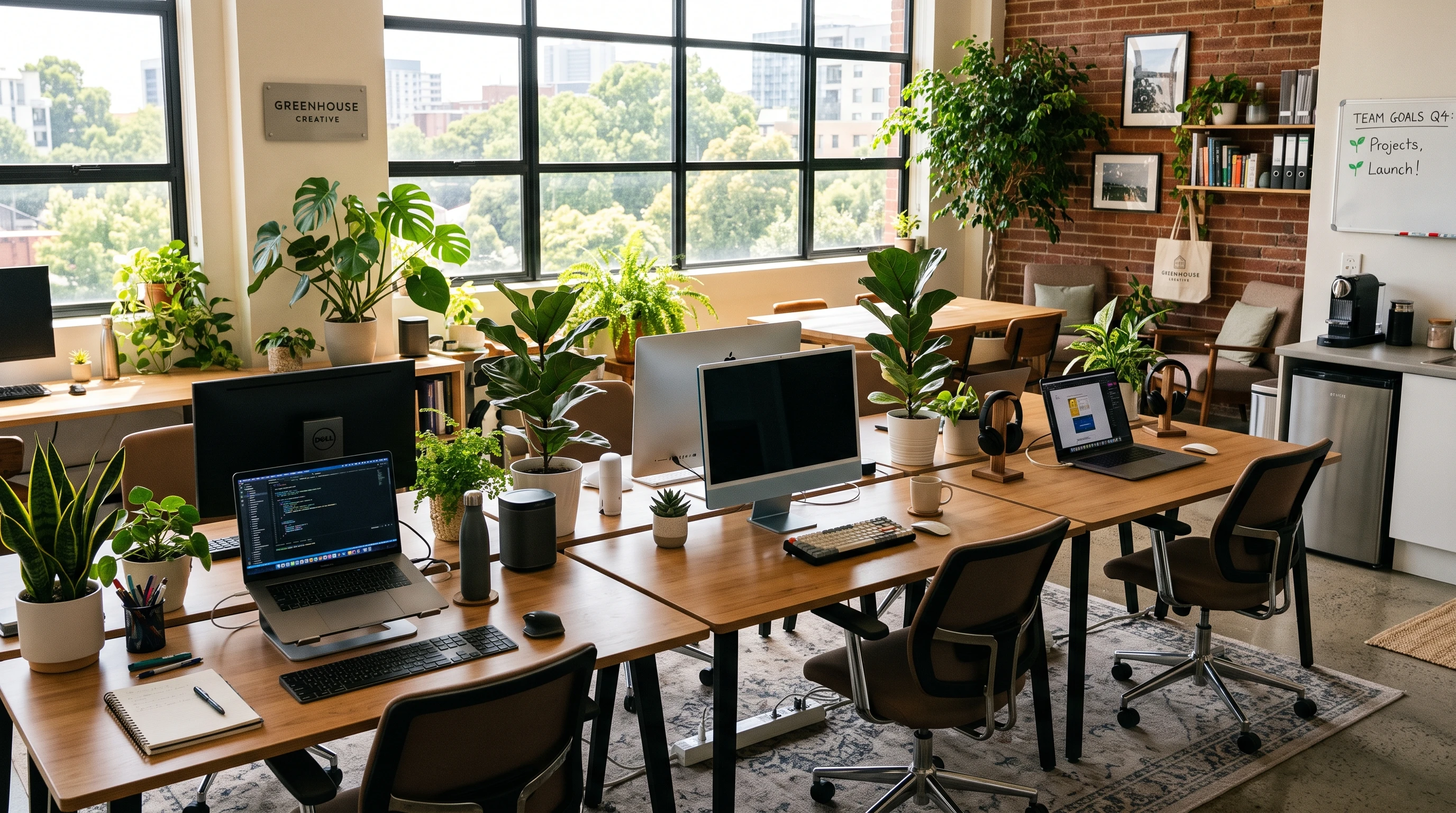
Productivity starts with the physical space where your team works. I’ve seen first hand how a cluttered, poorly laid out office or cramped work area can zap energy and slow people down. The right setup can make a huge difference in how people feel at work and how easy it is to concentrate.
- Lighting: Natural light is a game changer. If you can, put desks near windows and keep curtains open. If natural light is limited, invest in bright, adjustable LED lamps to keep everyone alert and reduce eye strain.
- Ergonomics: Comfortable chairs and proper desk heights mean fewer aches, and less distraction. Adjustable monitors and key board trays can also help people stay comfortable through a long work day.
- Organization: An organized space with storage for supplies and personal items keeps things looking tidy and cuts down on wasted time searching for things. Even a few basic organizing bins or cable holders can help.
- Noise control: Open offices are trendy, but they can get noisy fast. I’ve found that adding some soft surfaces (think rugs or wall panels), or using white noise machines, makes it easier to focus. For remote teams sharing home spaces, noise canceling headphones are pretty handy. I had a software company as a client when I was consulting. I was working in the same area as developers. Just the sound of my computer rebooting make work stop and everyone looked for the person causing the unwanted noise.
Another factor to consider is temperature. Studies show that people work best when the office is not too hot or cold. Aim for a temperature range where people feel comfortable, and don’t hesitate to let employees suggest adjustments if needed.
Building a Positive and Motivating Culture
The way people interact with each other is just as important as the space itself. A productive environment grows out of relationships and company culture. I’ve noticed that when people feel valued and respected, they’re more likely to pitch in, share new ideas, and help out if problems come up.
- Open Communication: Encourage team members to share feedback and ask questions. Having regular check ins, either informally over coffee or through scheduled meetings, keeps everyone in the loop and lets people bring up problems before they grow.
- Recognition and Appreciation: Calling out wins, both big and small, boosts morale. Even a quick shout out during a morning meeting or a thank you note can help people feel seen. Platforms like Bonusly or just a group chat can spread positivity.
- Clear Expectations: Make sure everyone knows what’s expected, both for daily work and for bigger projects. When roles and goals are clear, it’s easier to stay focused and deliver results.
- Support for Growth: Helping people develop new skills through training or mentorship shows you’re invested in their future. That commitment comes back in the form of loyalty and better ideas for your business.
It’s also a good idea to promote inclusivity and diversity within your team. Encouraging different backgrounds and ideas leads to richer conversations and more creative solutions to challenges. Some teams even start brainstorming sessions with a round of quick, light hearted prompts to get everyone talking and feeling included.
Smart Use of Technology and Tools
The right tech helps people spend less time on repetitive tasks and more time on work that matters. You don’t need a giant IT budget to see benefits—even basic tools can smooth the way and keep everyone in sync.
- Communication Tools: Platforms like Slack or Microsoft Teams make it simple to send quick updates or ask questions without long email threads.
- Project Management: Tools like Trello, Asana, or ClickUp help track tasks and deadlines. I use these daily, and they make it clear what’s on the agenda for each team member.
- Cloud Storage: Google Drive or Dropbox are handy for sharing files, so people aren’t wasting time searching through in boxes.
- Automations: Look at automating recurring processes like timesheets, invoice reminders, or customer follow up messages. Even small boosts here can free up hours every week.
- Productivity Tool: Creating a productive work environment is easier when everyone knows what needs to be done and where things stand. Monday.com can help small businesses organize tasks, set priorities, track progress, and keep communication in one place. It’s also flexible enough to grow with your business as your team and workload expand. If keeping your team organized and productive is becoming a challenge, take a closer look at Monday.com and see whether it could make managing the day-to-day work a little easier.
Have regular training sessions to make sure everyone feels comfortable with the tools you use. Sometimes even a ten minute walk through saves hours of confusion down the line. Ask your team what tools they’ve tried before, too; you might stumble upon a simple solution you hadn’t considered.
Creating Flexible and Comfortable Policies
Not everyone works best in the exact same environment or on the same schedule. Small businesses that build in some flexibility see benefits in both morale and output. I’ve found that giving people room to adapt their work habits (within reason) leads to more buy in and better overall results.
- Flexible Schedules: When possible, let staff shift start times or work from home a few days per week. Flexibility with hours helps people balance work and personal commitments, which means less stress overall.
- Breaks and Downtime: Encouraging regular breaks helps prevent mental fatigue and keeps people sharp. A dedicated space for lunch or a midday walk break goes a long way.
- Remote Setup Support: If your team is remote or hybrid, offering a budget for home office basics can make a real difference, think decent chairs, second monitors, or better internet connections.
Also, think about parental leave or paid time off policies, even on a small team. A little added support in these areas sends a strong message that you care about your employees’ well being beyond their daily work.
Common Challenges and How to Handle Them
Even with a thoughtful setup, small business owners run into road blocks. Stuff like distractions, unclear roles, or interpersonal conflicts can drag down productivity if left unchecked.
- Distractions: Combat these with clear routines, use of visual cues (like “do not disturb” signs for deep work), and noise control strategies.
- Poor Communication: Address this by setting regular meeting schedules, using clear project management tools, and checking in with one on ones.
- Conflict: Deal with problems early and encourage honest (but respectful) conversation. Sometimes outside mediation is worth it to keep team dynamics healthy.
- Overwhelm: Keep workloads balanced. If someone’s drowning, redistribute tasks and remind your team that asking for help is a good thing, not a weakness.
My Tips for Handling Burnout
When things get hectic, burnout can sneak up quickly. I try to watch for the early signs, like more mistakes or lowered energy, and jump in with a chat and offer of support. Encouraging vacations, actual unplugged weekends, or even just an afternoon off after a big project is done works wonders. Recognizing and normalizing mental health breaks brings long term benefits for everyone.
Building a culture that encourages honest conversations about workload is important. Regularly check in with your team to see if anyone feels stretched too thin. Making sure your employees know that rest and downtime are valued can help prevent burnout before it even starts.
Simple Upgrades for a Happier Workplace
Sometimes the smallest tweaks make the biggest difference. Here are a few easy fixes I’ve found to be really effective without breaking the bank:
- Add a few plants, which can make the space more inviting and help purify the air.
- Offer healthy snacks and drinks; even a small kitchen setup can help keep folks energized.
- Make sure everyone’s got an area to personalize, photos, a favorite mug, or a piece of art go a long way in making the office feel like their own space.
- Tidy up regularly or schedule cleanup days so everyone pitches in to keep the workplace looking fresh.
Even simple artwork on the walls or a rotating display of team member successes adds personality and positive energy to the work area. These upgrades are affordable and can make employees feel more invested in the space.
Real Life Examples: What’s Worked for Me
I’ve run small teams in a few different industries, and the best results always come when people feel comfortable speaking up and know their ideas matter. In one startup, we reused an unused meeting room as a quiet zone for focused work, and productivity shot up on complex projects. In another business, rotating the team member who sets the week’s play list made everyone feel included, and created fun conversation starters too.
I’ve also seen that regular social events, even if it’s just lunch together once a month, help remote teams feel a real sense of connection that translates into better teamwork.
- At a digital agency I worked with, investing in second monitors for everyone paid off quickly. Tasks that took an hour dropped to 40 minutes, just because folks could see more at once.
- We also found that trying out different work layouts (pods for teamwork, open tables for socializing, private corners for solo work) kept things interesting and let people pick the best setup for their current task.
Several employees mentioned how much these changes meant to them. It showed we cared about their comfort and success, leading to more enthusiasm and creative thinking across the board.
FAQs About Creating a Productive Work Environment
Here are some questions that come up a lot when other small business owners ask about boosting productivity:
How important is natural light in an office?
Natural light is very important for boosting mood and energy. It also helps cut down on eye strain and headaches. If you can’t get much sunlight in your office, bring in a few day light lamps.
Should small businesses invest in sit stand desks?
Sit stand desks can help reduce periods of sitting and encourage movement. They’re nice to have, but if you’re on a budget, encourage people to take stretch breaks or stand up meetings instead.
How do I handle conflicts between team members?
Deal with issues early and encourage open conversation. Clear ground rules and respectful communication make a big difference, as does having a manager willing to step in when needed.
Is remote work as productive as in office work?
Remote work can be just as productive, but it takes clear communication, the right tools, and trust in your team. Setting expectations and offering tech support keeps things running well from anywhere.
Final Thoughts
When you focus on physical comfort, positive culture, and the smart use of tech and flexible policies, you set your small business up for more success. The best part is that adjustments don’t need to be expensive or complex to make a real impact. Listen to your team, test out changes, and don’t be afraid to try something new. Sometimes, the smallest changes can make the biggest difference in how much everyone gets done and how they feel about coming to work. Building a great work environment is ongoing, keep experimenting, and you’ll keep seeing results.
Here’s a little transparency: Our website contains affiliate links. This means if you click and make a purchase, we may receive a small commission. Don’t worry, there’s no extra cost to you. It’s a simple way you can support our mission to bring you quality “Business Planning content.”
What simple metric would you suggest for a small business to determine whether an upgrade, such as a quiet zone or a second monitor, is actually improving output rather than just making people feel productive? Clear roles, focused work time, and fewer unnecessary meetings can matter as much as the physical setup, so a quick before-and-after check could keep the spending intentional.
For hybrid teams, how do you keep project tools from becoming another stream of notifications and tool-switching? I’d also be curious whether you have a low-cost starting list for a team of three to five people, because that is where small changes can make a real difference without turning productivity into a super pricey software stack.
Thanks for the comment.
The second monitor is an improvement that can be measured by output.
The software that I recommended, monday.com, is effective for very small organizations and it is inexpensive. It is a proven system so there really is no need to add anything else for productivity.
My biggest headache was managing the temperature! It didn’t seem to matter what it was set at, there would be people who were FREEZING and people who were DYING OF HEAT STROKE. At the same time. One thing that helped a little was allowing people to negotiate moves. Sometimes just getting away from a cold air vent helped.
Something that helped with morale and letting people know I actually did care about their comfort was giving them an allowance for a good chair. They could pick whatever, but they had this much$$. If they wanted to contribute a little extra and get something fancier, they could. I pooled any extra into the office goodies account. Almost no one went over, so it wasn’t a big deal.
I do love these new Office Scheduler/Organizer apps like Monday, you mentioned. Everyone can contribute their project deadlines so we can all see if something is hitting on top of something else. If we can stagger things out, the team can drop their own project for a day or so while the dealine project gets a thorough launch. It works pretty well. Thanks for all the good insights.
Thanks for the comment.
Sorry, I can’t offer any help for temperature. My wife works in medical and her office is always really cold so I know what you mean. I am glad you are happy with Monday.com. It’s a great product.