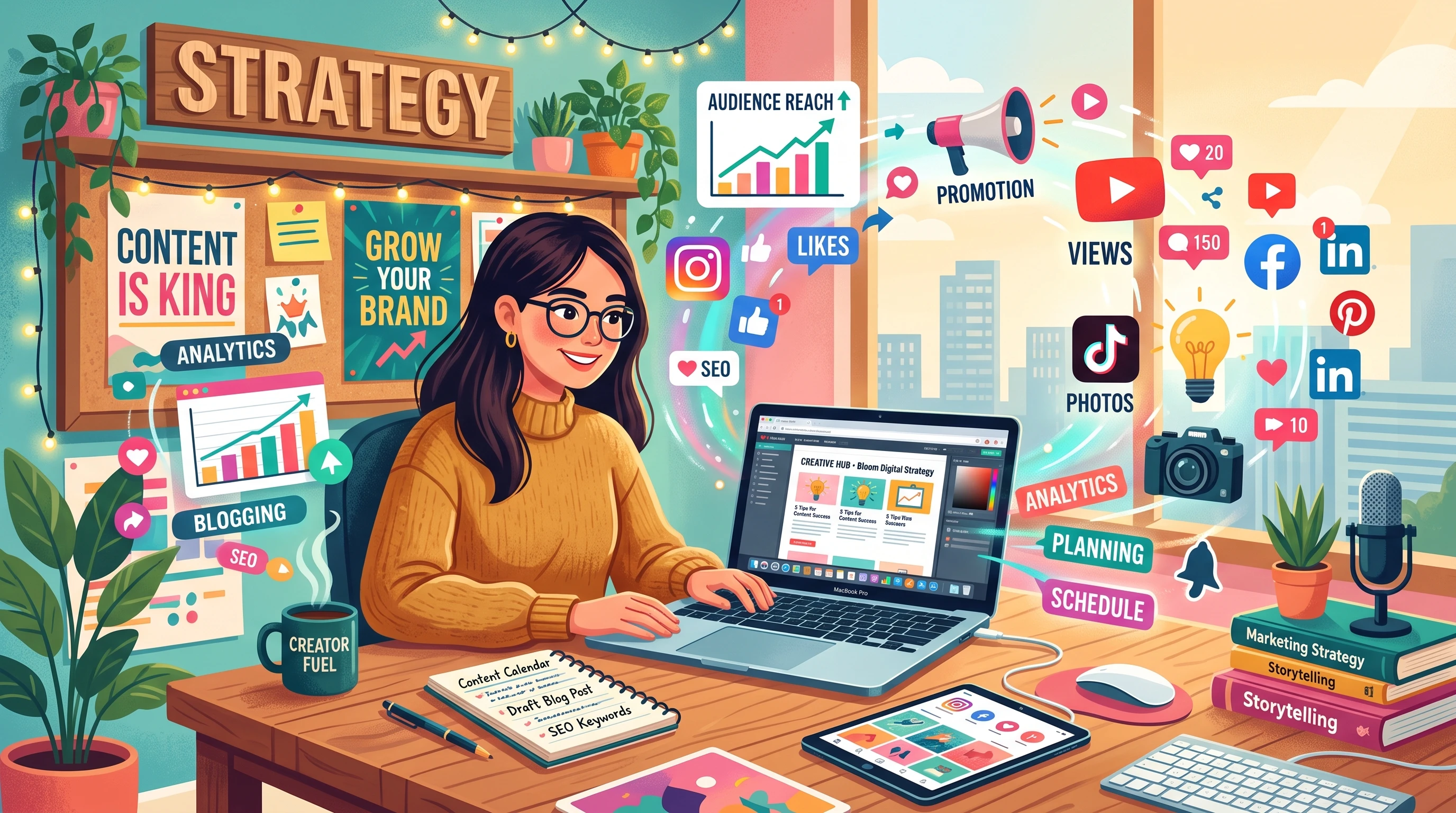
Content marketing is one of those things that gets tossed around a lot, but for small business owners, it’s often the key to building steady growth without burning a massive hole in your budget. My own adventure with content marketing started with a simple blog and a handful of ideas I wanted to share. Over time, I realized you don’t have to be a big brand or have a huge marketing team to get results. With some strategic planning, a bit of patience, and the right mix of content, small business owners can seriously benefit from the power of content marketing.
Why Content Marketing Matters for Small Businesses
Content marketing goes beyond just posting on your social feeds or sending out the occasional newsletter. It’s about sharing useful info, stories, and resources that actually help your customers or clients. Websites with strong, helpful content get more traffic, build trust, and make people want to stick around. Research from HubSpot shows that businesses that blog get around 55% more visitors than those that don’t, and that’s a stat I’ve seen hold true in my own work.
Content marketing is especially useful for small businesses because it helps you compete with bigger brands who may have larger ad budgets. A steady stream of blogs, social posts, guides, videos, and newsletters positions you as a go to resource, not just another company trying to make a sale or pitch a product.
On top of that, the right kind of content attracts customers who are truly interested in what you have to say or offer. People appreciate guidance, tips, or a local business that takes the time to answer their questions. When you create resources that show you understand their needs and concerns, it builds a foundation of trust that big box competitors often lack.
Getting Started: Defining Your Content Marketing Goals
Having clear goals makes every part of content marketing easier. Some business owners want to boost website visits, some want people to sign up for a newsletter, and others just want to become more well known in their local area. I recommend choosing one or two main goals at first, such as:
- Increasing Website Traffic: Useful articles and guides draw people in from Google searches, making it easier for new customers to find you.
- Growing Your Email List: Giving away a check list or guide in exchange for an email can work really well.
- Building Brand Awareness: Telling your story and sharing what you do helps your business get recognized locally or even beyond.
- Driving Sales Inquiries: Useful content nudges people closer to buying, even if they aren’t ready today.
Once you know your goals, tracking what works and what doesn’t becomes a lot simpler. It’s easier to tweak your plan when you know if your traffic, leads, or engagement are heading in the right direction.
Another tip: Write down a specific target for each goal. For example, “I want to grow my email list by 50 subscribers each month,” or “I want to publish two blog posts a month.” Having measurable objectives keeps you motivated and lets you celebrate wins along the way.
The Core Pieces of a Small Business Content Strategy
Even the best content plan can feel overwhelming without a solid strategy. Here are the basics I swear by:
- Your Website: This is home base. Your blog, about page, and product/service info should all live here.
- Blog Content: Answer common questions, share tips, and talk about your industry in plain language. Think about what your customers ask you most often, and use those for blog inspiration.
- Social Media: Pick one or two platforms where your customers actually spend time. You don’t need to be every where. Facebook and Instagram work well for most local or lifestyle businesses, while LinkedIn is good for B2B.
- Email Newsletters: Email is still powerful for small business. Send a regular (even monthly) roundup of tips, deals, or behind the scenes stories. You could also include spotlights on your team or time saving hacks related to your industry to add value for your readers.
I’ve found that building a content calendar for a month at a time stops me from scrambling for ideas each week. It also lets you connect content across your different channels. For example, a blog post on your site can lead to related social posts and snippets for your next newsletter.
Don’t be afraid to reuse content themes each season. If you run an HVAC business, a “prepare your home for winter” checklist works every fall. Seasonal, evergreen topics let you build up a library of posts you can refresh and reshare.
Quick Guide to Launching Your Content Marketing Plan
Your content marketing doesn’t have to be complicated. Here’s my basic step by step to get you rolling:
- Choose Your Focus: Will you mainly write blogs, record videos, or focus on social media? Start where you feel comfortable.
- Outline 4–6 Topics: Make a short list of subjects you know well or are asked about regularly by customers.
- Create a Simple Content Calendar: Plan your next month with publish dates and the types of content you’ll share.
- Publish and Share: Post your first piece, then share it across your chosen social channels and in your newsletter.
- Review Performance: At the end of the month, check what got the most clicks or engagement and adjust your next calendar as needed.
Following these steps gets your content routine in motion and helps you build momentum over time. As your confidence grows, experiment with new content formats, try hosting a short live stream or posting a behind the scenes photo series about your daily work flow.
Challenges to Watch Out for in Small Business Content Marketing
No marketing path is totally smooth. Here are a few sticking points I’ve seen and experienced, plus how to handle them:
- Finding Time: Running a business doesn’t leave much spare time. I use time blocks; set aside a couple hours each week dedicated to content. Or batch your content creation so you write several posts in one sitting.
- Generating Ideas: This one sneaks up on everyone. Tools like AnswerThePublic.com or just jotting down customer questions during the week can keep fresh ideas coming. Ask your staff or customers what they’d like to learn, sometimes the best topics come from everyday conversations.
- Measuring Results: It’s easy to overlook the numbers. Basic tools like Google Analytics and Facebook Insights show what’s working. Even a simple spreadsheet with your top posts, clicks, and email signups is super helpful for spotting trends.
- Maintaining Consistency: Life gets busy, so scheduling posts ahead of time or using tools like Buffer or Mailchimp can really help you stay on track. Even pre writing a batch of short tips to publish over several weeks can keep your channels from going quiet if you get busy with customers.
Dealing With Limited Resources
Most small businesses don’t have a big marketing team. I’ve worked with solopreneurs who do all their own writing, and some who outsource blog posts to freelancers or use tools like Canva for simple, eye catching graphics. The key is using the tech and people available to you instead of trying to do it all alone. Don’t overlook your staff; sometimes someone on your team enjoys taking photos or has ideas for fun social media posts. Tap into their talents where you can.
Finding Your Unique Voice
Your business probably has its own story, approach, or vibe. Don’t be afraid to write or record in your natural voice. Speak directly to your audience; pretend you’re explaining things to a friendly neighbor. This makes your business feel genuine and relatable. Authenticity stands out, especially when many businesses sound the same online. Jot down words or phrases you use often and sprinkle them naturally into your posts to keep your voice consistent.
Next Level Content Marketing Tips for Small Businesses
Once you’ve nailed the basics, a few tweaks can help your content get more reach and drive stronger results:
Repurpose Your Content: One blog post can turn into three social posts, an email tip, and a short video. This saves time and helps your message reach more people. You can also create a checklist or infographic from your most popular post, giving your audience information in a format that’s easier to share or reference.
Optimize for SEO: Using simple keywords, think phrases people search for, can help your content show up on Google. Free tools like Ubersuggest or Google Keyword Planner give you ideas for what to target. Take time to add keywords to your page titles, headings, and meta descriptions for a bigger impact.
Mix Up Content Formats: Some folks prefer video, others like to read. Try doing a quick tips video for Facebook or an infographic using Canva for Instagram. Consider sharing polls, quizzes, or question boxes in your Instagram Stories to boost engagement and learn more about your audience’s preferences.
Team Up and Share Guest Content: Joining forces with another small business or having a guest write a post can help both of you reach new potential customers. You can even do share for share arrangements, where you each promote the other’s business or tips for double the exposure.
Turn Content Readers Into a Long Term Audience: Great content can attract potential customers, but the real value comes from staying connected with them. AWeber helps small businesses turn content readers into email subscribers through signup forms and landing pages, then nurture those relationships with newsletters and automated email campaigns. If you’re using content marketing to grow your audience, AWeber is worth exploring. Its email marketing tools can help you capture leads, stay connected with readers, and turn valuable content into long-term customer relationships. Click the AWeber link to learn more and get started.
Bringing new voices or angles keeps your content fresh and your channels lively, and taps into audiences you might not reach otherwise.
What Kind of Content Works Best for Small Businesses?
Your audience probably craves content that’s useful, honest, and gives them something to use or think about. Here are some trending content ideas I’ve seen work for a range of small businesses:
- How To Guides: Simple walk throughs related to what you sell or do. For example, a bakery showing how to frost cupcakes at home, or a local gym posting exercise routines you can try with zero equipment.
- Customer Stories or Testimonials: Real stories build trust. A short case study can double as a social post and a website feature. Snap a photo of the product in action and pair it with a customer’s words to create a relatable and authentic testimonial.
- Industry Tips or Frequently Asked Questions: Create posts that answer what new or longtime customers are always wondering about your service or product. Make a “Top 5 Questions Answered” series and post them once a week to keep your feed active.
- Behind the Scenes Peeks: These build transparency and a human connection. Snap a few photos of your workspace or record a short welcome video. People love seeing how things get made or who’s on your team. You can do “A Day in the Life” posts or introduce your staff with fun facts to showcase your business culture.
Start with what feels right and keep an ear out for what your customers talk about, both online and when visiting in person. Ask your audience what kind of content they enjoy or find useful, you’ll be surprised at the suggestions you receive, and it takes the guesswork out of your planning.
Frequently Asked Questions
To help new small business owners steer through content marketing, here are some questions I hear a lot:
Question: Do I need a blog to start content marketing?
Answer: Not necessarily. A blog is helpful, but regular posting on social media, sharing videos, or even starting a newsletter can all be part of your content strategy. I started with blog posts but often see businesses find success just by being active and helpful on their main social channels.
Question: How often should I post new content?
Answer: Aim for consistency over quantity. Once a week is a great start, but even once or twice a month works if that’s all you can handle. Consistent, helpful updates matter more than blasting content every day and getting burned out. Remember, quality always trumps quantity in the long run.
Question: Can I use AI or tools to write content?
Answer: Absolutely! Tools like Grammarly help polish your writing, and Canva makes graphics simple. There are even AI tools for writing rough drafts, but putting your own spin on things is still important for building real connections. Use these programs to save time but always review the final product for a personal touch.
Question: How do I know if my content marketing is working?
Answer: Look at the basics. Is your website traffic up? Are people commenting, liking, or sharing? Have you gotten any new email signups or sales inquiries? Even a few positive replies show you’re moving in the right direction. Track your efforts monthly using free analytics tools to watch for upward trends and patterns in engagement.
Final Thoughts: Getting the Most From Content Marketing
Small business content marketing doesn’t need to be fancy or high budget to be effective. I’ve found that honesty, reliability, and regular sharing go further than expensive ad campaigns. Focus on what you know, share it in a way that feels like you, and respond to your audience when they reach out. Over time, the compound returns from content marketing start to show themselves. You’ll see client trust rising, steady sales, and a stronger online presence.
Getting started with content marketing can lead to consistent growth, repeat business, and a better reputation in your industry. With time, a bit of creativity, and a willingness to help your audience, those small steps add up. I encourage every business owner to give it a try. Even with just a few hours a week and a dash of patience, the results can really surprise you. Keep sharing, stay genuine, and watch your business grow with every new post.
Here’s a little transparency: Our website contains affiliate links. This means if you click and make a purchase, we may receive a small commission. Don’t worry, there’s no extra cost to you. It’s a simple way you can support our mission to bring you quality “Business Planning content.”
Honestly, trying to build a content strategy while my toddlers treat the living room like a wrestling ring is pure extreme sports. I love how actionable this post is no corporate fluff, just real talk on how to make your brand actually stand out online. Time to fuel up on another pour-over and finally get my batch-contenting life together!
Thanks for the comment. I really appreciate it.
This article really resonates with me because content marketing is something I’m actively working on with my own website. One lesson I’ve learned is that simply publishing a lot of articles isn’t necessarily enough. The content needs to answer questions people are actually searching for and provide something useful when they arrive.
I especially liked your suggestion of using common questions as inspiration for blog topics. I’ve recently been putting more emphasis on framing articles around specific questions rather than simply choosing a broad subject and writing about it. I’m also seeing the value of going back to older content and improving it rather than always concentrating on the next new article.
Consistency is probably one of the biggest lessons I’ve learned firsthand. I’ve had periods when I was very active with my site and other periods when I wasn’t, and that definitely makes it harder to build momentum.
For a website that already has a substantial library of older content, how would you divide your time between creating new articles and updating, improving, and promoting existing articles?
– Scott
Thanks for the comment.
I would concentrate on new content first then reworking the older content. It is very helpful to set up a time budget so that the split between new and old is where you want it.