ECommerce can feel like a big leap for small business owners. With so many tools, tactics, and buzz words floating around, it’s easy to get a bit lost. The truth is, building a successful online store is all about using approachable strategies that fit your budget, workload, and business goals. I put together this guide with the small business owner in mind, so you can navigate the world of ecommerce without feeling overwhelmed.
Why Small Businesses Thrive With ECommerce
More consumers are shopping online than ever, and that trend isn’t slowing down. In fact, recent reports from Statista show retail eCommerce sales growing steadily each year. For small businesses, this means the chance to reach new customers far beyond a local store front. ECommerce offers flexibility, scalable operations, and the tools to automate or streamline processes that would be tough (or expensive) offline.
Companies that adopt ecommerce early are better positioned to compete, especially when shoppers want convenience, quick delivery, and the ability to compare products easily. Many small shops are using online platforms not only to make sales, but to connect with customers, provide great service, and building lasting relationships. This strong focus on personal connection is something large, impersonal retailers often can’t match.
Choosing the Right Ecommerce Platform
Picking an ecommerce platform is one of the first big choices you’ll make. There are a lot of solid options available; Shopify, WooCommerce, BigCommerce, Wix, and Squarespace are some well known names. Here are a few things you’ll want to consider before jumping in:
- Ease of Use: Look for a platform that doesn’t require a lot of technical expertise. Most small businesses do well with drag and drop builders and simple dashboards.
- Pricing: Some platforms charge monthly fees or transaction commissions. Compare costs, especially if your budget is tight.
- Features: Make sure the platform includes payment processing, customer analytics, and marketing tools. Integrations with apps and plug ins can be really useful for automating parts of your workflow.
- Customization: Templates are great, but you’ll want the flexibility to make your store front reflect your brand values and aesthetics.
- Support: Good customer support is extremely helpful if you get stuck, or just want help making your store run smoothly.
Trying out free trials is a good way to see what feels comfortable and fits your needs. Switching platforms later is possible, but it can mean a lot of extra work. Remember to weigh the potential for growth; make sure your chosen platform can grow alongside your business as more customers and products get added.
Building a Trustworthy Online Store
Your website is often the first impression customers get of your business. For small businesses, building trust is just as important as making sales. Here are a few basics that really matter:
- Use Clear Product Descriptions: Include details, honest pricing, and clear photos. Shoppers want to know exactly what they’re getting.
- Showcase Real Reviews: Social proof, like customer testimonials and ratings can make a difference in a purchase decision.
- Highlight Security: Display trust badges for payment processors and let customers know that payment info is handled safely.
- Simple Navigation: Make it easy for visitors to find what they need. Good categories, search functions, and clear check out flows are must haves for site usability.
- Easy Returns and Customer Support: Display your return policy, and offer email, chat, or phone support where possible to reassure buyers.
Investing some time in these basics can boost your conversion rates and get you repeat customers. Taking care to create an inviting “About Us” page, updating your FAQ, and showing your contact info can help new visitors feel that they’re dealing with a real, dedicated team.
Your First Steps: Practical Ecommerce Strategies That Work
Getting started in ecommerce can feel like a huge task, but breaking it into practical steps makes everything more manageable. Here are the first things I recommend focusing on:
- Set Clear Goals: Decide what you want out of ecommerce. Is it higher revenue, bigger customer base, or brand awareness?
- Identify Your Core Products: Start with best sellers, unique items, or products you’re passionate about. Keeping the initial catalog manageable helps you nail down inventory processes.
- Build Your Brand Identity: Pick a logo, colors, images, and a voice that represent your business online. Consistency across your site and social media really helps make you memorable.
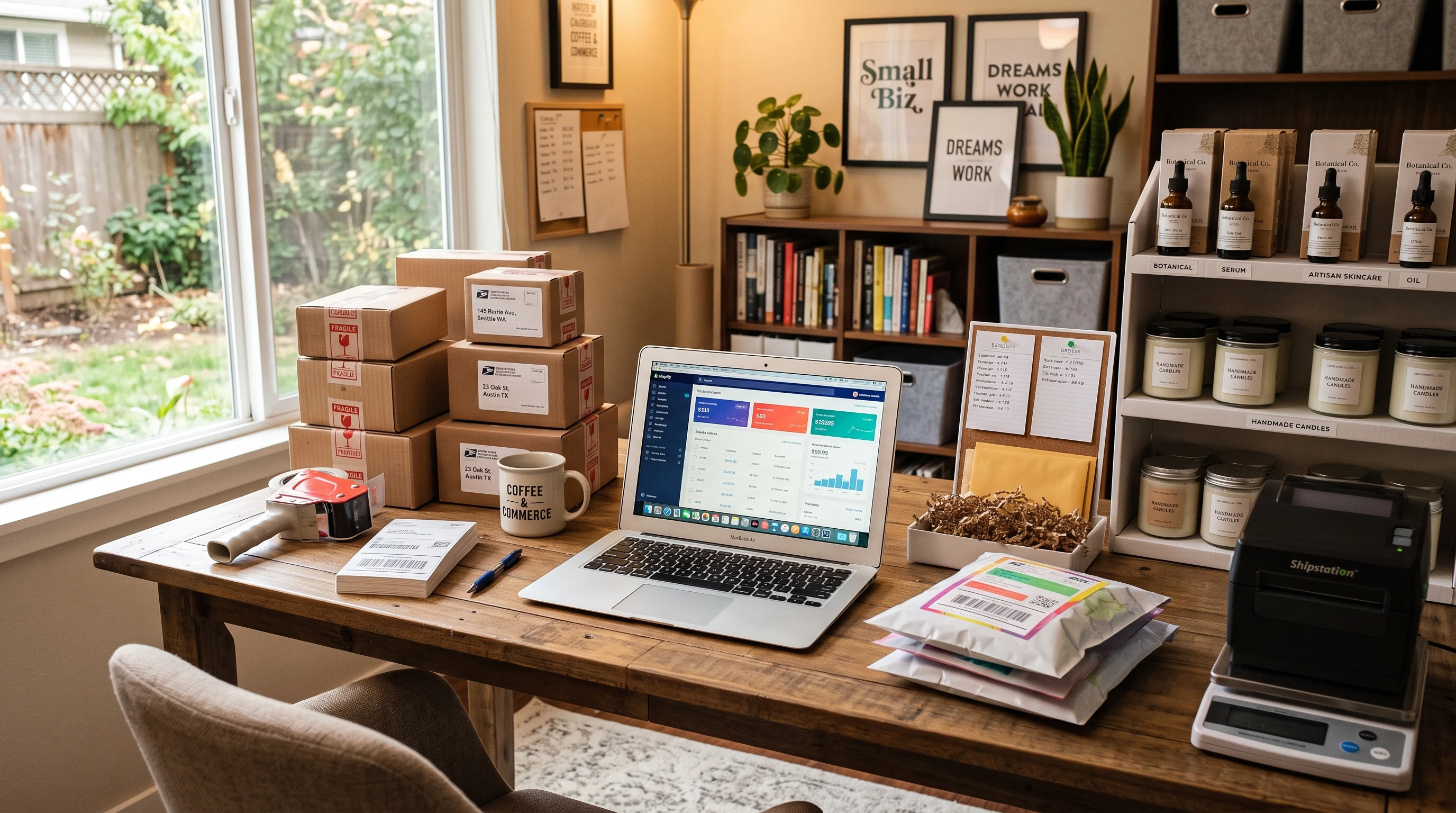
- Plan Your Fulfillment Strategy: Are you shipping from home, using a fulfillment center, or working with drop shipping suppliers? Each has pros and cons, so think about your resources and space.
- Start Simple, Then Optimize: Get your store launched with the basics; you can add fancier features (like advanced analytics or loyalty programs) as you grow.
Tackling these steps gives you a solid ecommerce foundation that won’t overwhelm you with unnecessary tech headaches. It also helps ensure you’re not stretched too thin at the start, letting you focus on customer experience and smooth operations.
Handling Common Ecommerce Challenges
No online business is smooth sailing all the time. There are a few common challenges that trip up new ecommerce owners, but a little planning makes each one a lot less daunting:
- Inventory Management: Keeping track of stock can be tricky. Use inventory management tools that sync with your platform, and set up low stock alerts to avoid over selling.
- Shipping Logistics: High shipping costs can scare away customers. Compare shipping carriers, offer free shipping above a certain order value, and communicate clearly about delivery times; avoid any unpleasant surprises for your buyers.
- Standing Out From Competitors: The online world is crowded. Focus on personalized service, unique product stories, and building a loyal community through email and social channels.
- Dealing With Returns: Even the best stores get returns. Write a straight forward policy, share it on your site, and make the process easy for buyers.
Addressing these road blocks early saves you time and gives your customers a smoother buying experience. Remember, steady communication and transparency help shape positive impressions every step of the way.
Inventory Management Tools
Managing stock levels is much simpler when you use automated inventory systems. Software like Trade Gecko, Zoho Inventory, or simple sheets integrated with your ecommerce platform can help. Having real time numbers means fewer mistakes, happier customers, and less manual counting for you. Setting up reorder reminders also ensures you never have “out of stock” disappointments for your customers.
Shipping Logistics and Costs
Offering transparent, reasonable shipping costs is important to shoppers. Some platforms offer built in shipping calculators or real time rate shopping; experiment to find the sweet spot between cost and delivery speed. I usually recommend testing out different carriers and packaging options to find what fits your products and budget best. Adding order tracking gives customers peace of mind, too.
Brand Differentiation Tips
Standing out doesn’t mean having the fanciest store. Share your business story, use personal touches in your packaging, or include thank you notes. Running targeted social media ads or joining forces with local influencers gets your shop in front of more new buyers. Lean into what makes your business different; whether it’s hand crafted details, local sourcing, or speedy shipping, spotlight these elements on your website and social feeds.
Marketing Strategies for Small Business ECommerce
Even the best products won’t sell if shoppers don’t know your store exists. That’s where ecommerce marketing comes in. Here are some affordable, action focused ideas I’ve seen work for small businesses:
- Social Media Marketing: Creating Instagram and Facebook profiles can get your products in front of a wider audience. Short videos, behind the scenes looks, and customer shout outs grab attention quickly.
- Email Marketing: Building an email list is a low cost way to bring shoppers back to your site with product launches, discounts, or reminders about abandoned carts.
- Proven Help: Getting customers to your online store is only part of the challenge. AWeber can help you stay connected after their first visit or purchase through email campaigns, automated follow ups, and audience segmentation. This gives small businesses another way to nurture customer relationships and encourage repeat sales. If you’re looking to turn more visitors into long term customers, AWeber is worth exploring. Its email marketing and automation tools can help you stay connected with your audience and encourage repeat business. Click the AWeber link to learn more and get started.
- Content Marketing: Blogging about your niche, sharing how to guides, or posting customer stories can boost your search rankings and help shoppers trust your brand.
- PPC Ads: Running pay per click ads on Google or social platforms helps target buyers who are already interested in what you’re selling.
- SEO Best Practices: Use researched keywords (like “unique handmade candles” or “custom jewelry online”) in your product titles, descriptions, and blogs to show up in search results.
Start small; test out one or two marketing tactics at a time and review what’s driving the most results before spending more. You may find that one channel, such as email news letters, resonates far more with your audience than others, so track performance and double down where you see success.
Tools and Features Worth Checking Out
Certain features and addons can save you time and boost your customer experience. So, here are a few tools I always suggest looking into:
- Live Chat: Apps like Tidio or Zendesk Chat let you answer customer questions in real time and nudge them toward checkout.
- Automated Email Follow Ups: Tools like Mailchimp or Klaviyo can remind customers about those left behind carts and recommend products after a purchase. You can even set up triggers for product review requests, which helps build your store’s reputation.
- Discount and Loyalty Programs: Rewarding repeat customers with coupons or points gives them a reason to come back for more. Set up seasonal specials or “members only” perks to generate excitement.
- Reviews and Testimonials Widgets: Displaying recent reviews right on your product pages helps new visitors trust your store. Encourage happy buyers to share photos for extra social proof.
Adding these tools as you grow keeps your store fresh and competitive in a busy online market. A willingness to experiment and adjust your tool set will help you meet customer needs more effectively as your shop grows.
Examples of Ecommerce Success In Small Business
There are loads of small businesses that have taken their brands online and grown impressively; often by keeping things relatable and personal. For example, I’ve seen local bakeries start taking birthday cake orders online, artists open print shops with zero fancy coding, and home goods makers build thriving stores by selling on both their own site and platforms like Etsy. The common thread is consistency, real customer care, and a willingness to tweak their store as they learn what works. By closely listening to customer feedback and staying active on social channels, these businesses keep evolving with the market and trends.
- Handmade Crafts: Artists use Instagram to showcase products and stories, directing traffic to their shop links. Regular content like time lapse videos or “making of” stories give followers a behind the scenes feel.
- Specialty Food Sellers: Local businesses package favorites for nation wide delivery, using customer testimonials as proof of quality. Showcasing seasonal or limited time products in email blasts or live streams helps keep customers engaged.
- Vintage Shops: Curators sync inventory with Shopify and eBay, cross promoting to sell globally while still handling unique one of a kind items.
All of these businesses started small but found ways to use ecommerce strategies that fit their strengths and work load. What makes them successful is their commitment to authenticity, on going learning, and staying responsive to customer preferences and questions.
Frequently Asked Questions
You probably have some questions if you’re thinking about getting into ecommerce. Here are a few I hear the most from small business owners:
Question: How do I get people to find my new online shop?
Answer: Focus on social media, set up a Google My Business profile, and ask happy customers to get the word out. SEO friendly descriptions and blogs help get you in front of new buyers too. Sharing exclusive email content also encourages referrals.
Question: What’s the easiest way to start if I don’t have a lot of experience?
Answer: Use a platform with simple setup (like Shopify, Wix, or Squarespace) and stick to a handful of best selling products. Tutorials, help docs, and small business communities online are also very handy. Don’t hesitate to reach out and ask questions in online forums or from other business owners; learning from others can fast track your progress.
Question: How can I keep track of my orders and inventory as I grow?
Answer: Start with built in platform reports, then add on inventory management tools as your order volume grows. Updating stock counts weekly or monthly helps catch mistakes early. Automation, even simple ones like inventory notifications, can make order management less stressful as you expand.
Final Thoughts
Building a successful ecommerce shop as a small business means breaking big goals into simple steps, fine tuning along the way, and staying customer focused. Whether you’re fresh to online selling or ready to expand, practical strategies and the right tools are your best allies. Start simple, stay open to learning, and have fun growing your digital store front. The key is consistency and a personal touch; with patience and a steady approach, your online store can become a rewarding extension of your brick and mortar business or a brand new adventure entirely.
Here’s a little transparency: Our website contains affiliate links. This means if you click and make a purchase, we may receive a small commission. Don’t worry, there’s no extra cost to you. It’s a simple way you can support our mission to bring you quality “Business Planning content.”
George, this is a really useful and encouraging guide for small-business owners who may feel overwhelmed by the idea of getting into eCommerce. I especially liked how you broke everything down into practical, manageable steps rather than making it sound like they need a huge budget or a mountain of technical knowledge to get started. Your emphasis on keeping things simple, building trust, and maintaining a personal connection with customers really gives the article a human touch. I also appreciated the reminder that success comes from testing, learning, and continually improving rather than trying to build the “perfect” store from day one. You’ve put together a resource that feels both practical and reassuring. One question that came to mind while reading: If a small business owner could focus on only ONE eCommerce marketing strategy during their first three months, which one would you recommend they prioritize and why?
Thanks for the comment.
I would prioritize building an email list and using it to develop customer relationships. A new eCommerce business needs more than website traffic, it needs a way to stay connected with people who have already shown interest. Email allows you to follow up with prospects, provide useful information, promote relevant products, and encourage repeat purchases without continually paying to reach the same audience. Over time, that email list becomes a valuable marketing asset the business controls.
Hello, this is very helpful! What metrics would you prioritize during the first 60 to 90 days so a new store owner can tell whether traffic, product pages, checkout, or fulfillment needs attention first? I’m also curious how you would help a very small catalog decide when free-shipping thresholds improve conversion enough to justify the added margin pressure.
For businesses using email automation, what is a sensible first sequence beyond abandoned-cart reminders that adds value without making subscribers feel flooded? This seems like an ideal time for a solid strategy for a highly qualified lead.
Thanks for the comment.
For the first 60–90 days, I would focus on a few metrics that show where customers are dropping out: traffic sources, product-page conversion rates, cart abandonment, checkout completion, average order value, and fulfillment problems such as delays or returns.
For free shipping, I would test rather than assume it will increase profits. Start with a threshold slightly above your current average order value and compare changes in conversion rate, average order value, shipping expense, and profit per order. If customers buy enough additional merchandise to offset the shipping cost and margin pressure, the threshold is doing its job.
For email automation, I’d start with a simple welcome sequence beyond abandoned cart emails. Perhaps three emails: introduce the business and its value, provide genuinely useful information related to the customer’s interests, and then recommend relevant products or offer an incentive.