
If you’ve ever tried to grow your business or scale a support team, you probably know balancing growth with customer service quality can get a little tricky. It’s really important to keep customer happiness on track, even as more people come knocking at your virtual door. I want to share some practical ways to scale your customer service without letting quality slip, drawing from experience and real world strategies that actually work.
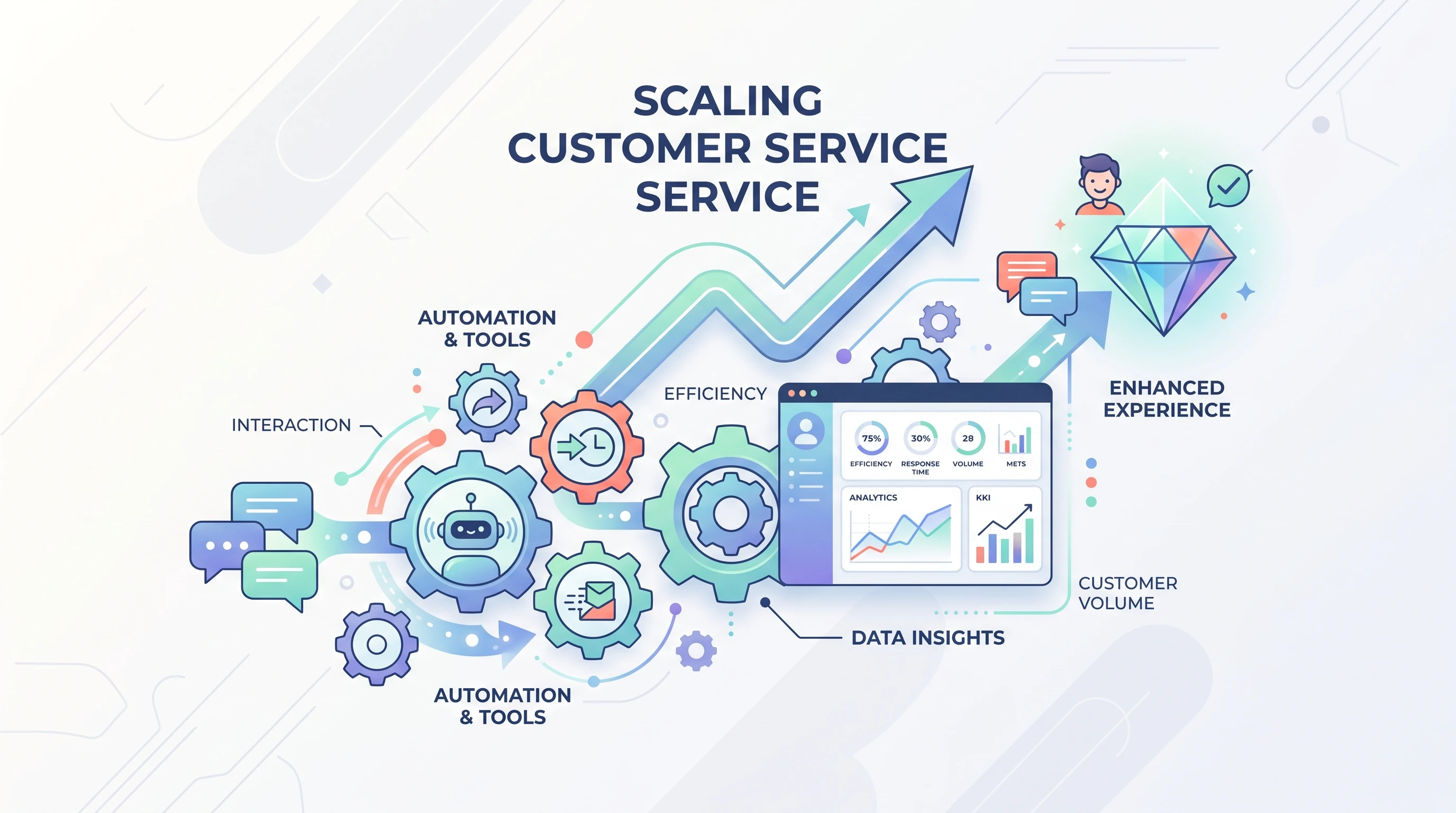
Scaling Customer Service: Why It Matters
When a business starts to pick up speed, there’s this moment where you realize that serving more customers means everything has to move faster. Calls increase, emails multiply, and live chat boxes pop up nonstop. For many, this is where quality takes a hit. I’ve seen it happen when companies patch holes with quick fixes, only to see customer dissatisfaction spike later on.
Scaling customer service is about growing your capacity to help people while making sure each interaction still feels personal and helpful. When you find the right balance, you get both efficiency and that friendly, attentive touch that makes customers stick around even as your company grows.
Maintaining Customer Service Quality Assurance
Quality assurance isn’t just a checklist item; it’s what sets memorable brands apart. Building a solid quality system means you need to figure out what “great” looks like for your business. Here’s what I recommend for keeping your standards high, even when the workload ramps up:
- Document Processes: Clear procedures make it easy for everyone to do their job correctly, even when you bring new folks onboard.
- Set Service Standards: Define what a good customer interaction looks like. Make sure everyone’s on the same page, from your seasoned reps to the newest hire.
- Regular Reviews: Listen to calls, check chats, and read through support tickets to spot trends. Feedback sessions will help your team learn from real cases and keep improving.
- Use Customer Feedback: Surveys and rating systems are very useful for checking where you’re succeeding and where things might be slipping.
When you focus on quality every day, it becomes part of your team’s culture. People start to catch small issues before they become big ones, and customers can really feel the difference.
Customer Service Automation Tools
Automation in customer service used to sound cold, but it’s actually one of the best ways to handle simple requests fast so your team can focus on the tougher issues. Here are some types of tools worth checking out if you want to step up smartly:
- Chatbots: Handy for answering FAQs and routing customers to the right department. A well-configured chatbot can save everyone loads of time.
- Helpdesk Platforms: These keep all your customer interactions organized. Features like canned responses and ticket merging really speed things up, especially during busy seasons.
- Automated Workflows: For things like follow up emails or satisfaction surveys, automation means you never miss a step, no matter how busy things get.
- As the Businesses Grows: Keeping track of customer conversations and follow-ups can become increasingly difficult. Customer relationship management (CRM) tools can help centralize customer information, automate reminders, and ensure that important follow ups don’t get overlooked. Platforms like Pipedrive allow small businesses to maintain consistent communication with customers while reducing the administrative burden on their teams. If you’re looking for a way to organize customer interactions and maintain service quality as your business grows, Pipedrive may be worth exploring. Its automation and customer tracking features can help you stay responsive without adding unnecessary complexity. Click the Pipedrive link to learn more.
The smart move is to start small and expand your automation as you see what customers respond well to. The goal is to help your team focus attention where it matters most, not to replace human beings. Automating repetitive tasks leaves more time for authentic customer connections.
Best Practices for Scaling Customer Service Teams
Asking existing staff to just handle more isn’t a long term plan. I’ve been through those crunch periods, and burnout happens fast. Here’s how I’ve seen companies scale teams without losing on quality:
- Hire with Purpose: Look for people who are genuinely interested in helping others, skills can be taught, but attitude is hard to coach.
- Train Constantly: Make learning part of your routine. Product updates, soft skills, and stress management sessions all matter when teams are growing and the pace is picking up.
- Empower Agents: Give team members the freedom to solve problems without always escalating. Customer issues are fixed faster, and agents build confidence.
- Foster Team Collaboration: Encourage sharing best practices and tricky cases in regular meetings. This keeps everyone sharp and gives fresh perspectives on recurring issues.
- Keep Communication Clear: Use shared channels, regular briefings, and easy to access documentation so no one gets left behind. The right tools help everyone stay in the loop.
Sticking with these practices reduces friction as the team grows and helps everyone work better together, even as things pick up speed. Making onboarding easier and mentorship builds confidence across the entire team.
Customer Service Quality Metrics
You can’t improve what you don’t measure. Tracking the right metrics makes it a lot easier to spot problems and find successes. Here’s a close look at some metrics I keep an eye on when scaling support:
- First Response Time: How quickly you reply to new tickets. Fast responses set a positive tone, even if solving the issue takes longer.
- Resolution Time: The average time it takes to fully solve customer issues. Quicker resolutions usually mean processes are working well.
- Customer Satisfaction Score (CSAT): What customers think about their support experience. Watching this lets you know if your changes are working for real people.
- Net Promoter Score (NPS): Measures loyalty by asking how likely customers are to recommend your business. This goes beyond support and touches on their whole experience.
- Ticket Volume: Keeping track of trends here helps forecast staffing needs and find recurring product or service pain points.
- Agent Utilization: Are support agents swamped or cruising? Spikes tell you when to expand or rebalance workload.
Reviewing these numbers regularly helps you figure out where training is needed, where systems might be slowing things down, and what wins you can spotlight for the team. These insights drive continuous improvement and show where investments are paying off.
Real-World Challenges and How To Tackle Them
Scaling isn’t always as tidy as process diagrams make it look. Here are a few challenges I’ve run into and how you might take them on:
- Onboarding New Agents Quickly: Getting new team members up to speed is crucial. I’ve found that using shadowing, mentorship programs, and up to date knowledge bases helps new hires find their footing faster, building confidence from day one.
- Avoiding Burnout: When things speed up, taking regular breaks and checking in on team wellbeing goes a long way. Managers need to set the culture here by showing healthy work habits and encouraging others to do the same.
- Maintaining Consistency: Growth can push teams to send mixed messages or offer uneven quality. Standard operating procedures, checklists, and regular peer reviews help everyone match up, keeping the customer experience solid throughout.
- Handling Global Expansion: When you’re supporting customers in different time zones and languages, teaming up with bilingual reps or using translation tools saves the day and keeps international customers happy.
Pro Tips for Keeping Customer Service Quality High as You Scale
Over time, I’ve picked up some tips that make scaling without losing quality much easier:
- Set Up Tiered Support: Let basic questions go to one team, and send complicated ones to another crew with more training. This way, customers get the right answer faster and specialist knowledge is used effectively.
- Encourage Feedback Everywhere: Ask your team and customers what’s working and what’s not. Honest insights from the front lines matters more than numbers alone, they’ll clue you in on small tweaks that can have a big impact.
- Keep Improving Your Tech Stack: Outdated systems make everything harder than it needs to be. Review and refresh your tools regularly, especially as you take on more customers or launch new services.
- Create a Recognition Culture: Celebrate wins, big and small. Acknowledging effort keeps teams motivated through high volume seasons and builds a positive work vibe.
- Care for Your Team: Happy support reps always offer better service. Investing in wellbeing, fun perks, and open communication pays off in the quality of help your customers get.
Real World Uses: Scaling Without Quality Drop
I’ve watched in real time how companies keep customer service quality high, even as they scale up. Online retailers launching into new regions use smart automated flows and ever fresh knowledge bases so they can answer more customer questions without missing a beat. SaaS companies rolling out new products set up extra training sessions and keep support docs up to date, ensuring new issues are handled just as smoothly as familiar ones.
Even through peak times, the best support teams document wins, learn from tough cases, and get better with each round. One standout example is a tech startup I worked with, they put in peer coaching, held regular “quality champion” rotations, and gave everyone a say in process tweaks. This level of team involvement made an obvious difference: customers got swift, spot on help, and team morale stayed high.
Frequently Asked Questions
These are some questions I see all the time about scaling support teams without losing quality:
How do I know when it’s time to expand my customer service team?
When agents are regularly stretched to max capacity, response times get slower, or quality scores fall, it’s time to bring in reinforcements, either new hires or fresh automation tools.
Do automation tools make customer service feel less personal?
Not if you use them thoughtfully. Automation should handle routine tasks and leave your team to focus on the situations where a human touch matters most.
What are quick wins for improving quality during busy periods?
Prewritten FAQ responses, regular post shift debriefs, and rotating responsibility for tricky tickets all help keep things on track when incoming requests spike.
Final Thoughts
Growing your customer service operation doesn’t have to mean losing what made it special. When you put strong processes in place, make the most of automation, keep your people motivated, and steadily measure how things are going, your team can keep offering the same high quality help even as those numbers go up each month. Stick to a customer first mindset at every step, and keeping your service level high while you grow is more than possible, it’s predictable.
Here’s a little transparency: Our website contains affiliate links. This means if you click and make a purchase, we may receive a small commission. Don’t worry, there’s no extra cost to you. It’s a simple way you can support our mission to bring you quality “Business Planning content.”
Hello! A couple of questions came to mind while reading this.
How do you decide when automation is helping the customer versus quietly adding friction (especially for people with unusual or emotional issues)? And when you recommend metrics like CSAT, response time, and resolution time, how do you keep teams from optimizing for the numbers in a way that makes support feel rushed instead of actually helpful?
I was also curious about the people side of scaling, because quality usually slips when training and documentation lag behind growth. Have you found that a strong knowledge base and mentoring system do more for consistency than adding more software, or do they really need to grow together? Thanks!
Thanks for the comment.
I don’t understand your first question. The metrics should not be a problem because they are all covered in a regular meeting. The mentoring will go a long way. A CRM system is the only thing I would recommend and that becomes important when the volume of customers increases significantly. If you would clarify your first question I will gladly answer it.
This was a clear and helpful guide again. I really like how you have explained customer service. The good service comes from people feeling supported, because as a business owner this is what motivating me to go forward. What part of customer service do you think becomes hardest to maintain when a business starts growing quickly in my case I felt difficult in handling to reply messages?
Thanks for the comment.
I agree with you. Maintaining communication with customers becomes the most difficult task when the business starts growing quickly.