Upselling and cross selling can be powerful growth engines for small businesses, especially when margins are slim and every sale counts. I’ve seen first hand how the right strategies can help increase cart sizes, improve customer loyalty, and unlock new revenue. With the right mindset, tools, and a bit of practice, small business owners can use these techniques without feeling pushy or overwhelming customers. Here’s a breakdown of how to get started and get the most out of these approaches.
Why Upselling and Cross selling Matter for Small Businesses
Upselling and cross selling aren’t just sales tactics. They’re ways of adding value for your customers and boosting loyalty if done right. Upselling is when you encourage a customer to buy a higher priced item or feature, while cross selling is suggesting related or complementary products. Think of a coffee shop offering a pastry with your latte, or a salon suggesting a deep conditioning treatment with a standard haircut.
These strategies work well for small businesses because there’s often a more personal relationship with customers. Familiar faces and a sense of trust let you make genuine suggestions that fit each customer’s needs. Plus, it’s usually much less expensive to sell to an existing customer than to attract a brand new one.
Best Upselling Practices for Retailers
Brick and mortar stores have some unique opportunities to connect with shoppers and boost average order value. Here are some upselling practices that feel natural and helpful:
- Tailor Your Recommendations: Get to know what your customers usually buy, then suggest upgrades or premium versions. If you run a clothing shop and someone is looking at basic tees, suggest a slightly more expensive shirt with higher quality fabric.
- Offer “Good, Better, Best” Options: Create clear differences between the basic, standard, and premium versions of your products. Shoppers are more likely to pick the middle or higher option if you explain the benefits.
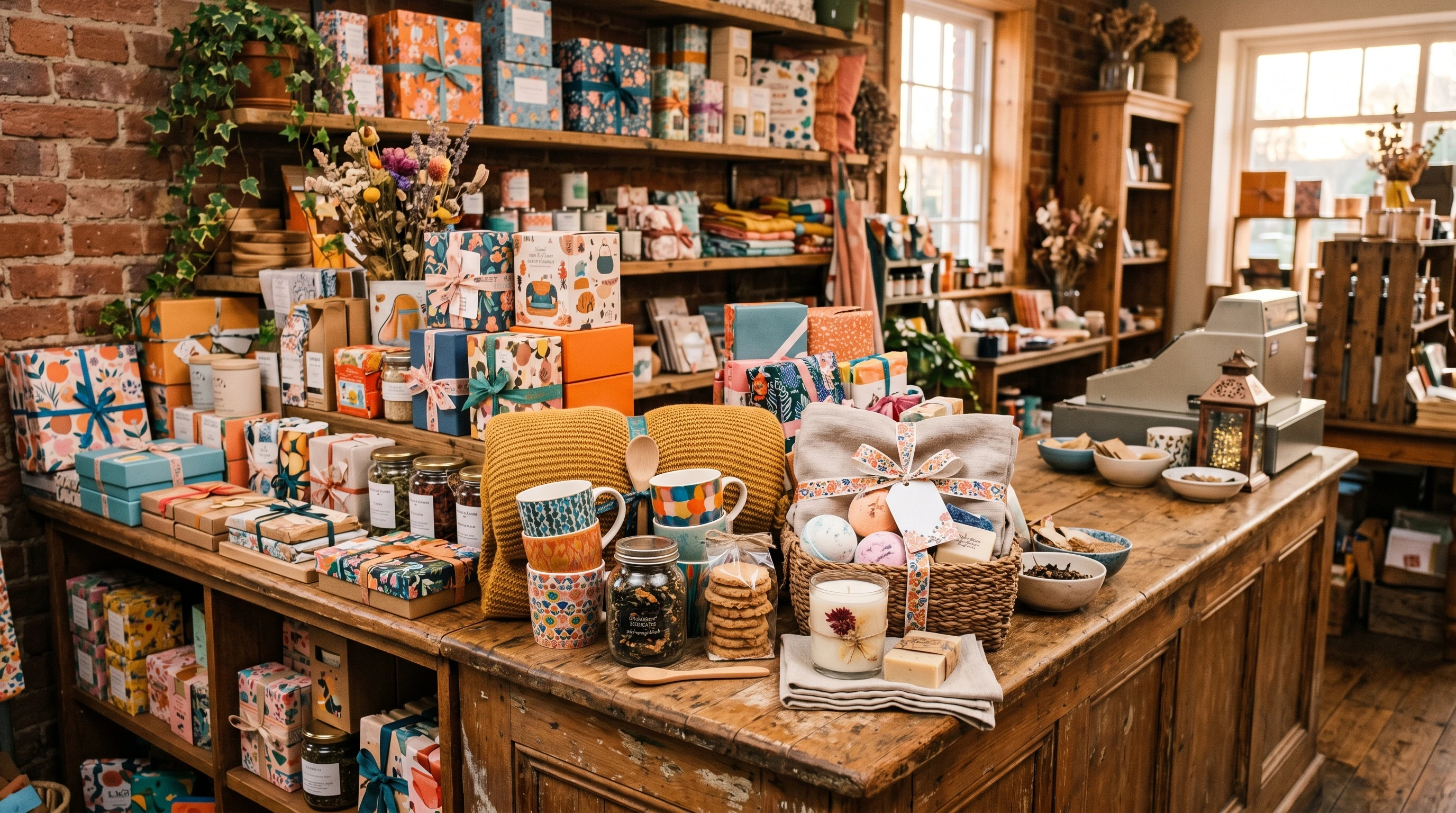
- Bundle Products: Put together packs or bundles where the higher priced option saves money compared to buying items one by one. It’s a win win; customers feel like they’re getting a deal and you increase cart size.
- Point Out Features that Solve Problems: Know the common issues your customers face, and highlight features of more advanced products that address them.
For retailers, upselling works best when it feels conversational. I always avoid coming across as pushy. Instead, I focus on explaining how an upgrade makes sense for the shopper’s needs. Over time, this builds trust and even repeat visits.
Cross Selling Strategies for eCommerce Businesses
Online shops have a different set of tools to work with, but cross selling can be just as (or even more) powerful. Here are some cross selling tips for eCommerce sites:
- Smart Product Recommendations: Use algorithms or manual curation to show “Customers also bought…” or “You might like…” suggestions on product pages or at checkout.
- Create Value Bundles: Offer sets like shampoo and conditioner together at a small discount, or “complete the look” sets if you sell clothing or accessories.
- Upsell at Checkout: Include a small pop-up at the shopping cart phase to suggest complementary products, such as offering a screen protector when someone adds a phone case to their cart.
- Follow Up with Post Purchase Emails: Reach out after a purchase with personalized suggestions based on what was bought. This opens the door for future cross sells without cluttering the original shopping process.
Plug-ins like Shopify’s Product Recommendations, Woo Commerce’s Product Bundles, or Big Commerce’s Personalized Shopper are pretty handy for automating these suggestions. But the real key is that recommendations need to make sense. I avoid spamming the shopper with items that don’t fit their shopping habits, aiming instead for relevance and helpfulness.
Upselling Techniques for Service Businesses
If you offer services, whether that’s a local landscaping company, a spa, or a digital marketing agency, upselling and cross selling look a bit different but work just as well.
- Highlight “Deluxe” or “Premium” Versions: For example, a cleaning business might offer a deep clean package for a small extra fee, or a pet groomer could offer an extra nail trim at a discount with a bath.
- Leverage Add On Services: Suggest related services during appointment booking. If you’re a personal trainer, you might offer a discounted nutrition consult when clients sign up for a package of training sessions.
- Rebook at the End of Service: Before clients leave, gently prompt them to book their next appointment with a bonus addon, like a free sample or a small discount when booking ahead.
- Offer Loyalty Programs: Reward customers for adding services or booking premium packages with points or perks that build up over time.
Timing is really important here. I’ve found that customers are much more open to upsells when they’re already receiving value and trust the results you’re giving them. For service businesses, the approach is about genuine care. Make sure suggestions fit with what the customer truly needs or enjoys.
Top Tools to Boost Your Upselling and Cross Selling Game
You don’t need a massive budget or a tech team to start using upselling and cross selling tools. There are some options I’ve tried (and seen work well for others):
- Shopify Product Upsell: Adds targeted upsell or cross sell offers to your eCommerce store, and you can customize offers based on shopping habits.
- Woo Commerce Boost Sales: Lets you bundle products or suggest similar items, plus run flash sales on higher ticket products to encourage upgrades.
- Square POS: Good for in person upselling, letting you add bundles or item suggestions during checkout.
- Mailchimp and Klaviyo: For follow up emails that recommend products or services tailored to a customer’s order history.
- Lightspeed Retail: Combines inventory management with point of sale cross selling prompts and loyalty programs, ideal for retail shops.
- A Comprehensive Tool: One of the keys to successful upselling and cross-selling is understanding your customers and maintaining consistent communication throughout the sales process. Pipedrive helps businesses track customer interactions, manage sales opportunities, and identify the right moments to introduce additional products or services. By keeping customer information organized and visible, businesses can build stronger relationships while uncovering opportunities to increase revenue without relying solely on new customer acquisition. If you’re looking for a better way to manage customer relationships and identify upselling opportunities, consider exploring Pipedrive. Its CRM tools can help you stay organized, improve follow-up efforts, and make it easier to grow revenue from your existing customer base. Click the Pipedrive link to learn more and to start your free trial.
Even with free or low cost versions, these tools can make a huge difference. The best part is, they do a lot of the heavy lifting for you, saving both time and effort while driving better results.
Tips for Creating Effective Upsell and Cross Sell Offers
Not every suggestion is going to work for every customer, and that’s totally fine. Here’s what I focus on to make offers as appealing as possible:
- Keep It Relevant: Base your recommendations on real purchase history or what the customer is browsing. The more personal, the better.
- Price Points Matter: Upsells should usually add about 10-30% to the original purchase price, not double or triple it. Smaller jumps feel less risky to customers.
- Use Clear Language: Make sure customers instantly understand why this upsell is worth while. Spell out the added benefits or savings.
- Limit the Number of Suggestions: Too many options can overwhelm shoppers and even drive them away. Stick to one or two strong, relevant offers at a time.
- Make the Offer Time Limited: A limited time deal or special bundle can give shoppers that extra push to say yes.
Real Life Example: Upselling in a Small Coffee Shop
One of my favorite examples was a family run coffee shop that started offering locally made pastries. Instead of just asking, “Would you like a pastry with your coffee?”, they set up small sample plates and grouped items together at the counter, along with a sign reading, “Try Our Local Pairings: Coffee & Pastry Combo for $5!” In just a few weeks, more customers were picking up both, and some even started asking to reserve certain pastry flavors ahead of time. All they needed was a simple sign and a friendly suggestion at the register.
Common Challenges (and Easy Fixes)
Even with a great strategy, you’ll still hit a few bumps along the road. Here are some issues I’ve seen a lot, plus some ideas to make things smoother:
- Worried About Being Too Pushy?
Approach upselling like offering expert advice instead of making a “hard sell.” Framing it as “our most popular pick” or “some customers love pairing this with…” keeps things conversational. - Limited Inventory:
Don’t upsell items that are often out of stock. Instead, focus on products you can reliably deliver or services you have availability for. - Customers Saying No:
It happens. Don’t sweat it; a friendly attitude and no-pressure response often turns those rejections into positive experiences that bring people back later. - Complicated POS Systems:
If your checkout or website makes adding extra products tricky, consider switching to a simpler system or using plug-ins that make one click upsells easy for both staff and customers.
Advanced Upselling Tips for Long Term Success
If you want to move beyond the basics, here are some more advanced ways to grow average order size and lifetime value:
- Segment Your Audience: Use your customer data (even if it’s just a spreadsheet) to group shoppers by purchase habits, then tailor your offers to each group.
- Train Your Team: Staff who understand the benefits and know how to make friendly, helpful recommendations can boost upsell rates a lot. Incentives don’t hurt, either!
- Measure and Tweak: Track which offers work and which don’t. Try new combos, change your language, and see what actually moves the needle. AB testing isn’t just for big businesses.
Small tweaks really add up. Over time, you get a better feel for what your customers like without overwhelming them.
Frequently Asked Questions
How do I upsell without annoying my customers?
Focus on what would genuinely be useful or enjoyable for the shopper. Use a friendly, no compulsion tone, and watch body language (instore) for cues to back off if someone’s not interested.
Can I use these strategies if I only have a few products or services?
Definitely. Even a tiny shop or solo service business can offer small upgrades, “premium” choices, or smart bundles that make sense for their size and audience.
How can I tell if my upselling is working?
Watch for increases in average transaction size, add on service bookings, or repeat business. Some POS and eCommerce systems have built in analytics, or you can track results in a simple spreadsheet.
Getting Started: What to Do First
Pick just one upselling or cross selling technique and try it for a week, either online or in your shop. Use simple language and focus on items or services you truly believe in. Track your results, make notes on what works (or what feels awkward), and tweak your approach until it feels natural. With practice and the right tools, you’ll find it’s a really practical way to boost your small business. You’ll be providing your customers with new experiences and more value, setting the stage for ongoing growth and strong relationships. Over time, these small actions combine to build a thriving business fueled by customer satisfaction and loyalty.
As a customer, I hate buying something and then getting upsells, especially if I bought something thinking it was the complete product only to be told that it would work better with a certain upsell.
I think upsells is something that needs to add real value and not be part of the original purchase although it can obviously be ralated or relevant to it.
I love your advice on using algorithms or manual curation to show what customers also bought, for ideas but it is up to you to translate it over to your own customers.
Would you first test out cross selling techniques before rolling out a upsell or would you try it on all your clients at once?
Thanks for the comment.
I agree with you. An upsell has to create value not just be a gimmick.
Testing out a cross sell is the best way to approach it. There is much less risk if it doesn’t work than investing a test on all clients at once.
Hi,
This article was really clear and easy to understand. I like how you explained upselling and cross‑selling in a way that feels helpful. The examples made it easy to understand how small businesses can use these ideas in real situations as I also run a small business I could relate this. I also liked the reminder that the offer has to add real value because most often in social media I come across salesy posts without any real added value. I have this doubt whether the cross‑selling works better in shops or online?
Thanks for the comment. Cross-selling works better online. You can cover a much larger market than if you are doing it in a shop. The likelihood of success is higher because the market is much broader.