Solid cash flow is what keeps a business alive and kicking. If money isn’t managed correctly, even a profitable company can wind up with empty pockets. I’ve seen how easy it is to fall into the trap of confusing profits with cash flow, two things that can move in very different directions. That’s why smart cash flow planning tools and techniques are so important for keeping a business stable and ready for anything.
Why Cash Flow Management Matters for Business
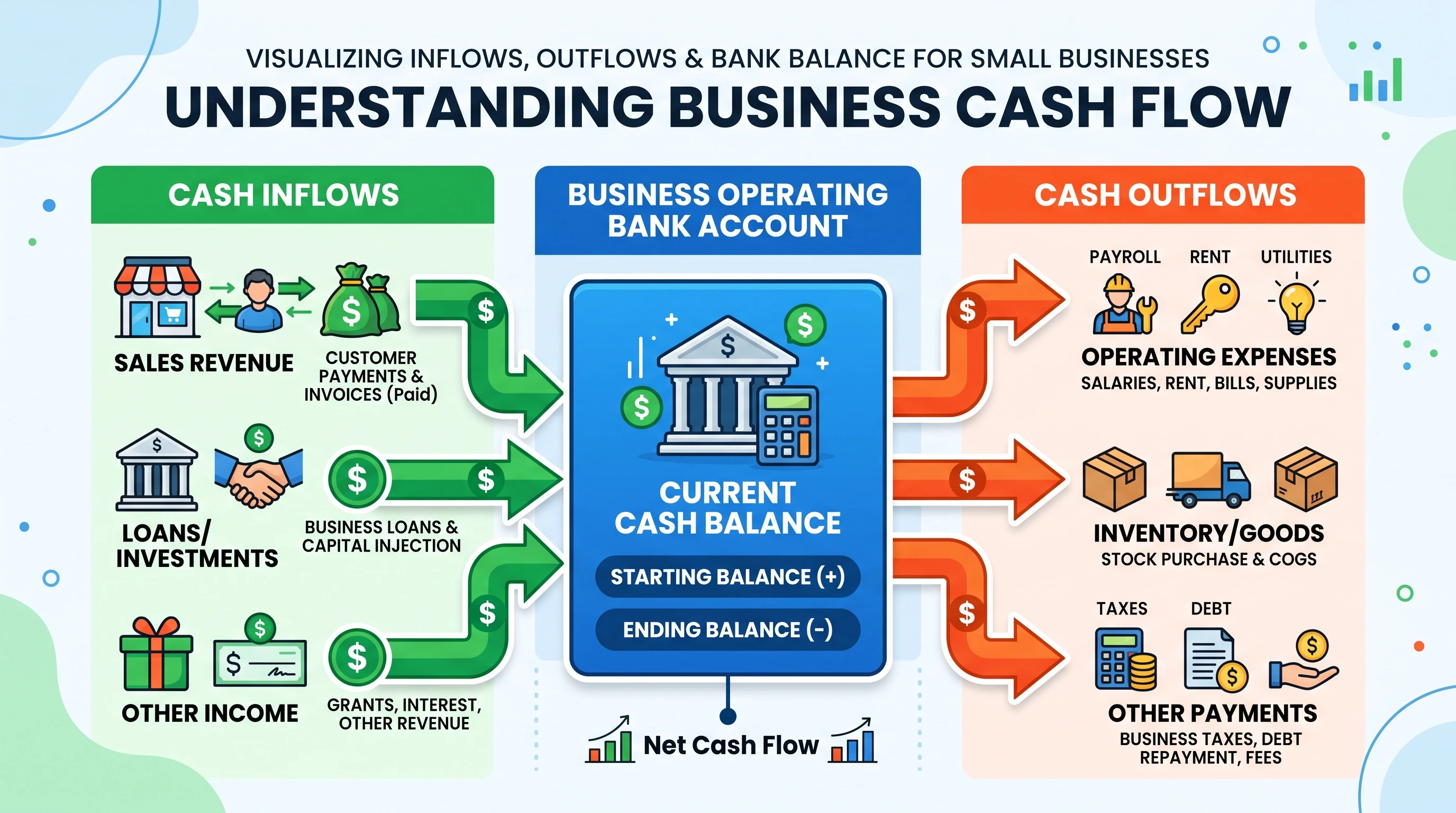
Cash flow is the real measure of financial health for a business. It’s not just about making sales or signing contracts. It’s about having enough money rolling in to cover out going bills like rent, salaries, and supplier invoices. I’ve worked with companies that showed impressive growth on paper, but couldn’t make payroll because customers took too long to pay up. Keeping an eye on cash flow stops those problems before they spin out of control.
According to data from the U.S. Bank, a whopping 82% of small business failures can be traced back to poor cash flow management. With numbers like that, maintaining control over your cash could be the key difference between growing your business and closing your doors.
Cash comes in from customers, but the timing isn’t always predictable. Mean while, expenses like rent, payroll and utilities stick to a set schedule whether cash comes in or not. That time gap makes cash flow planning extremely important for staying out of the danger zone. Recognizing this, business owners are starting to pay more attention to daily cash balances and the actual timing of cash movement, instead of simply looking at profits.
Effective cash flow planning means knowing when your money will hit the bank account and when it will need to leave. It helps you avoid the panic that comes with upcoming bills and gives you the confidence to make smart decisions about hiring, purchasing, or growing your business.
Key Cash Flow Planning Tools Every Business Should Know
Technology is making cash flow management easier than ever. While old school spreadsheets are still handy, there are now plenty of online platforms designed specifically for small and midsized business finances. These tools are built to track when cash is expected, spot payment delays, and make it simple to see your business’s financial future.
- Cloud Based Accounting Software: Tools like QuickBooks, Xero, and FreshBooks automatically track income and expenses and generate cash flow statements. I’ve found these very useful for getting real time insight into where money’s coming from and where it’s going.
- Cash Flow Forecasting Apps: Float and Pulse are designed to plug into your existing accounting data and project cash positions weeks or months ahead. I like how these platforms visualize trends and warn you about potential shortfalls before they happen.
- Bank Account Integration: Many modern tools can sync with your actual bank accounts to show an up to date picture of your cash position, even factoring in uncleared checks and pending deposits.
- Budgeting and Scenario Planning Software: Programs like PlanGuru let you play out “what if” situations, such as taking on a new project or bumping up marketing spend, so you are not left guessing how it’ll affect your bank balance.
- Make Cash Flow Planning Easier With QuickBooks: Cash flow is easier to manage when your financial information is organized in one place. QuickBooks helps you track income and expenses, monitor invoices and bills, and use your financial data to plan ahead. If you want a simpler way to stay on top of your finances and plan ahead, QuickBooks is worth considering. Click the link to learn more and see whether it’s a good fit for your business.
It’s worth checking if your accounting platform offers addons or integrations. Many features that used to require pricey consultants are now built right into everyday tools businesses already use. These tools let you focus on running your company while staying informed about your cash flow position at any time.
Building a Practical Cash Flow Forecast
Knowing how to build a simple cash flow forecast gives a business owner a serious advantage. A forecast lays out all the money expected to come in and go out over a certain period, usually week by week or month by month. Getting into the habit of updating this regularly gives you a clear heads up on any tight spots ahead.
- Start With Cash In The Bank: Write down the amount of cash currently available; you can’t plan if you don’t know what’s there.
- List Money Expected In: Add up all the payments you expect to receive. Include customer invoices, recurring service fees, and even small items like product sales. Be realistic; if you know a customer always pays late, adjust accordingly.
- List Money Going Out: Write down all regular bills like rent, salaries, loan repayments, taxes, and supplier payments. Also include variable costs like marketing or travel if they come up regularly.
- Calculate Net Cash Flow: Subtract your outgoing cash from your incoming cash for each period. If it’s negative, that’s a warning to take action quickly.
- Review Regularly: I update my cash flow projections at least monthly, but when things get busy or unpredictable, weekly is best. Adjust figures based on what actually comes in or gets paid out.
- Rolling Forecast: I have found it very helpful to use a thirteen week rolling forecast. I have implemented this successfully at several consulting clients and found it to be very productive.
Templates are available in programs like Excel, but most accounting platforms have built in forecasting tools that make it much faster. The main thing is to stay realistic. Don’t count on money until it’s actually in your account. Being honest with yourself about cash means fewer surprises and an easier time planning for the future.
For business owners new to forecasting, starting with a simple spreadsheet that tracks projected cash inflows and outflows for at least three months ahead can be eye opening. List the dates you expect to receive money and the dates expenses come out. Seeing the timing mapped helps identify tight spots and gives you time to respond before a crisis.
Common Cash Flow Planning Mistakes (And How to Dodge Them)
Most problems I’ve seen aren’t about outright errors, but simple habits that sneak up on business owners. Here are the top traps to watch for:
- Over Estimating Sales: Counting on money that isn’t a sure thing will create a false sense of security. Stick with confirmed sales and be conservative with projected income until it’s in the bank.
- Ignoring Payment Terms: Forgetting that customers may not pay on time can seriously throw off your schedule. Clearly state payment terms, send reminders, and don’t hesitate to follow up on over due invoices. I have found that a brief phone call is most effective.
- Forgetting Occasional Expenses: Annual insurance renewals, taxes, or equipment purchases can catch you off guard. I keep a dedicated line in my cash flow plan just for these so they don’t sneak up.
- Focusing on Profits, Not Cash: A deal might look good on a profit and loss statement but turn into trouble if the cash comes in months later. Only count cash received, not just invoices sent.
Staying disciplined with these habits helps keep surprises to a minimum, giving you more confidence and less stress around finances. I remind business owners to double check all assumptions. Even small optimism, like assuming all customers pay on time, can lead to trouble down the road.
Smart Cash Flow Techniques That Make a Difference
Good cash flow management isn’t all about software; it also comes down to every day choices and habits that impact how steady your business runs. I’ve learned some practical techniques that add up over time:
- Invoice Faster: The sooner you bill customers, the sooner you get paid. Switching to digital invoicing can trim days or weeks off payment turn around.
- Offer Payment Incentives: Discounts for early payments or small fees for late payments can motivate customers to settle up faster.
- Spread Out Big Payments: If you’re facing a big bill, such as annual software, see if you can split it into monthly installments to smooth out cash flow bumps.
- Negotiate Supplier Terms: Ask vendors if you can extend payment terms or get volume discounts. If you’re a reliable customer, many are happy to work with you.
- Monitor Inventory Closely: Holding a lot of inventory ties up cash. Use inventory management tools to track what moves and clear out slow sellers for cash.
- Maintain an Emergency Fund: A buffer of even a month or two’s expenses makes it much easier to sleep at night during slow periods or surprise setbacks.
- Revolving Credit Line: I always advise clients to get a small credit line. There are no interest payments until it is used and it provides great piece of mind knowing that emergencies can be covered.
Implementing just a couple of these strategies, like billing the same day work is done or negotiating with vendors, provides some breathing room and takes pressure off during seasonal dips or slow patches. Over time, these habits can help a business maintain stability and even position it for growth.
Major Cash Flow Challenges (And How to Handle Them)
- Late Customer Payments: Late payments are the most common headache. I always recommend having clear payment policies, sending reminders before invoices are due, and consider charging a late fee if needed.
- Seasonal Swings: Businesses with big highs and lows during certain months need extra planning. Adjusting projections for seasonal patterns, building up reserves, and looking at short term financing options during lean times can really help.
- Unexpected Expenses: Equipment breaking down, surprise tax bills, or supply price spikes can pop up anytime. That’s why it’s very important to build a bit of a cushion into your cash plan to avoid scrambling.
- Growth Pains: Growing fast sounds great, but it uses up cash as you bring on staff, buy inventory, or invest in marketing before new revenue rolls in. Careful cash planning helps you pick the right pace for sustainable growth.
Late Customer Payments
I’ve found it’s best to be proactive. Remind customers before due dates and make payment as easy as possible, such as offering online options. Following up personally by phone or email is often all it takes to get a payment moving. Setting up automatic reminders in your invoicing system can also reduce late payments without you having to remember each time.
Seasonal Variability
When sales dip in slow seasons, having a clear forecast lets you trim costs, plan for lower income, and avoid panic decisions. Building up a cash reserve during peak months sets you up to get through quieter times smoothly. Some companies even take short seasonal gigs or offer discounted prepay packages off peak to keep money flowing.
Handling the Unexpected
I always try to keep a small emergency fund in place. Even if it’s just a few thousand dollars, it can make all the difference when there’s a last minute supplier bill or tech issue to solve. If possible, set up a business line of credit before you need it so you have back up for emergencies.
Powerful Real World Cash Flow Strategies
Practical experience really drives lessons home. Here’s how cash flow planning plays out in real life for different business types:
- Service Based Businesses: Coaches, agencies, and consultants can improve cash flow by setting retainers or recurring billing instead of one off projects, which gives a more regular income stream.
- Retail Stores: Using point of sale systems that sync with accounting software helps track real time cash positions and manage inventory for more predictable spending.
- Contractors and Freelancers: Asking for an upfront deposit before starting work secures some cash up front and sets a professional tone for the client relationship.
- Subscription Based Businesses: Automated payment systems ensure a recurring stream, limiting missed or late payments and making forecasts much easier to manage.
Adapting cash flow planning to your business type is really important. There’s no one size fits all, so borrowing ideas from similar businesses can give you an edge. For example, a freelancer could take a tip from subscription businesses by offering a retainer plan, while a retailer could look to service models for cash flow smoothing tips.
Frequently Asked Questions
Here are some of the questions I’m asked most often about cash flow planning for business:
Question: How often should I review my cash flow?
Answer: A monthly review works for most businesses, but I recommend checking in weekly during busy or unpredictable times. If your cash flow is tight, checking in more often can prevent problems before they grow.
Question: What’s a cash flow statement, and do I need one?
Answer: It’s a summary showing all the money moving in and out of a business during a period. Most accounting software creates these automatically, and they’re extremely useful for seeing trends or tracking down cash leaks you might miss otherwise.
Question: Can I use spreadsheets, or do I need software?
Answer: I started out with spreadsheets and they work fine for simple businesses. Software offers better automation and visibility, but use what feels manageable for your needs. The key is keeping everything up to date and reviewing it regularly, which ever tool you choose.
Final Thoughts on Cash Flow Planning
Getting your cash flow under control is one of the smartest moves you can make. Using modern tools, keeping projections up to date, and applying down to earth techniques create the kind of business stability that lets you handle challenges as well as chase growth opportunities. Taking time to work on cash flow planning pays off, both in peace of mind and in profits. Make cash flow a habit, not an after thought, and you’ll be ready to handle what ever comes your way.
Here’s a little transparency: Our website contains affiliate links. This means if you click and make a purchase, we may receive a small commission. Don’t worry, there’s no extra cost to you. It’s a simple way you can support our mission to bring you quality “Business Planning content.”
I think one of the easiest mistakes for a business owner to make is assuming that a profitable business automatically has healthy cash flow. As you pointed out, a company can have plenty of sales on the books and still have trouble paying its bills if the money hasn’t actually come in yet.
I deal with receivables in my own work, so I’ve seen how much the timing of payments can matter. An invoice may be considered revenue, but that doesn’t put money in the bank when you need to make payroll or pay a supplier.
You mentioned using a 13-week rolling forecast with several of your clients. Why do you prefer 13 weeks rather than forecasting monthly or over a longer period?
– Scott
Thanks for the comment.
13 week rolling forecasts have worked well with several clients I had when I was consulting. Monthly seems to be too quick and a longer period usually needs to be changed to reflect reality. 13 weeks has been a really great time frame.
For a service-based solopreneur just starting out with basic invoicing and no accounting software yet, would you recommend jumping straight into a cloud-based tool like QuickBooks to manage cash flow from day one, or is a well-maintained spreadsheet cash flow forecast genuinely sufficient until the business reaches a certain revenue threshold?
I would recommend QuickBooks from day one. I have implemented it at several consulting clients and had really good success. It’s cost effective which is another thing I find appealing.